



















Walk into any retail store and you’ll notice something quickly the packaging grabs your attention before the product does. That’s not an accident. Retailers and brands spend real time thinking about how their products look on a shelf, because a shopper who’s never heard of your brand will judge it in seconds based on the box or package they see.
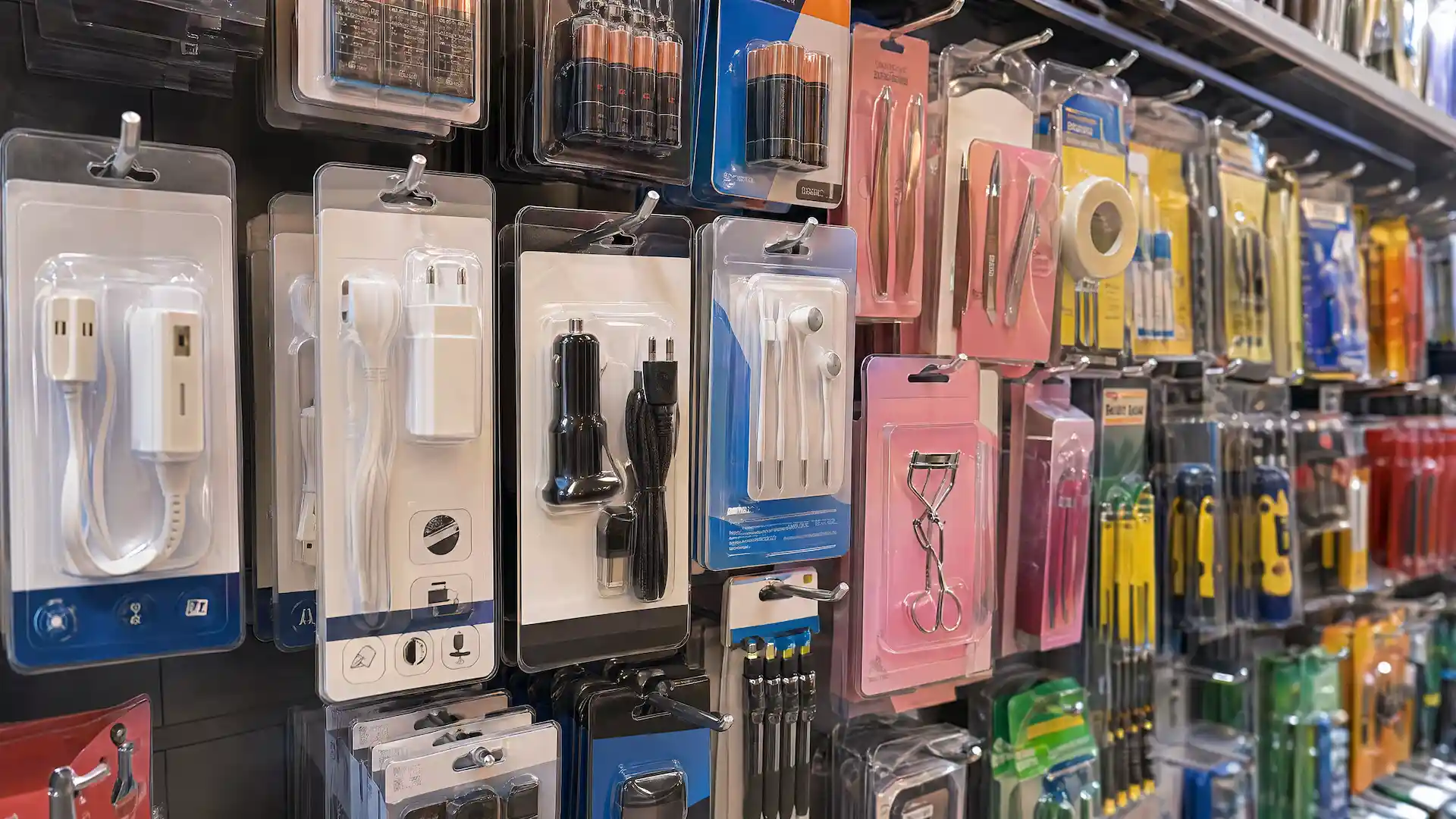
Blister packaging is one of those formats you’ve definitely encountered, probably without giving it much thought. Those clear plastic pockets holding AA batteries, nail clippers, or a set of screwdrivers? That’s blister packaging doing its job. It’s everywhere in retail because it works products stay clean and protected, customers can see exactly what they’re buying, and store staff can hang or stack them without any fuss.
For brands thinking about how to present their products at retail, blister packaging is worth understanding properly.
What Is Blister Packaging?
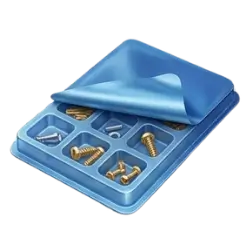
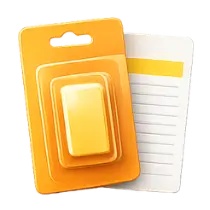
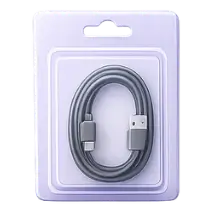
At its simplest, it’s a clear formed plastic pocket the blister heat-sealed onto a printed backing card. The plastic is shaped to hold a specific product snugly. The card behind it carries everything else: the brand name, product description, instructions, barcode.
What makes it so well-suited to retail is the combination it delivers. Customers see the actual product without touching or opening anything. The sealed construction tells them nobody else has either. That visibility plus security pairing is hard to replicate with most other packaging formats.
If you want to explore what’s possible for your product specifically, the blister packaging at Flexible Pouches walks through the different configurations blister shape, sealing options, card thickness, hang hole styles, and finish choices.
How Does Blister Packaging Work?
The plastic blister is custom-formed to fit your product. Not a generic pocket actually shaped around the item so it doesn’t shift around during shipping or while sitting on a peg hook for weeks.
Product goes in, then the blister gets sealed to the backing card using heat or adhesive. After that, the pack is retail-ready. It can go straight onto a display hook or shelf without any additional assembly or special fixtures.
Main Parts of Blister Packaging
- Clear plastic blister
- Printed backing card
- Heat seal or adhesive seal
- Hanging hole for retail display
- Product information and barcode area
Five components. That simplicity is a big reason the format has lasted so long across so many product categories.
Why Retail Brands Use Blister Packaging
Ask any retail buyer what they need from shelf packaging and two things come up every time: can the customer see what they’re buying, and is it tamper-evident? Blister packaging handles both without overcomplicating anything.
When a product is visible, people trust it more before they buy. There’s no wondering what’s actually in the box. The sealed construction also makes tampering obvious anyone can tell at a glance if a pack has been opened or handled, which matters a lot for higher-value items.
Then there’s the practical side. Blister packs hang neatly on standard retail hooks. More SKUs in less wall space. Store staff don’t need to constantly rearrange the display. It just works.
Key Reasons Brands Prefer It
- Better product visibility
- Strong shelf presentation
- Protection from dust and damage
- Tamper resistance
- Easy hanging and display
- Space for branding and instructions
For newer brands trying to earn credibility next to names that have been on shelves for years, that clean retail presence matters more than most people realize.
Common Types of Blister Packaging
Not all blister packaging is built the same way, and picking the wrong format for your product causes real problems both in cost and on shelf.
1- Blister Card Packaging
The standard version. Clear plastic blister on the front, printed paperboard card on the back. Cost-effective, widely used, works well for most everyday retail products. For blister cards and insert cards specifically, there’s a lot of flexibility in how the card itself is structured and printed.
2- Clamshell Blister Packaging
Two plastic halves that fold together and seal or snap shut. More robust than standard blister card and significantly harder to tamper with quietly. Usually the right choice for tools, electronics, or anything where customers might handle the pack multiple times before deciding. You can see the full range of options on the clamshell packaging.
3- Trapped Blister Packaging
The plastic blister sits between two layers of paperboard rather than being sealed onto one face. Looks cleaner and feels more considered better for brands aiming for a premium shelf presence without moving to rigid box packaging.
4- Face Seal Blister Packaging
Blister sealed directly to the card face. Lower cost, suitable for lighter products where structural strength isn’t the main concern.
5- Custom Blister Packaging
Built around your product, not adapted from a standard template. You spec the blister dimensions, card layout, finish, everything. More planning involved upfront, but the end result actually fits the product and reflects the brand behind it.
Blister Card Packaging vs Clamshell Blister Packaging
| Feature | Blister Card Packaging | Clamshell Blister Packaging |
| Cost | Lower | Higher |
| Product Protection | Moderate | Strong |
| Product Visibility | High | Very High |
| Retail Security | Good | Excellent |
| Best For | Cosmetics, batteries | Tools, electronics |
Neither format is universally better. A pack of AAA batteries doesn’t need clamshell security. A set of precision screwdrivers probably does. Match the format to what the product actually needs and the decision usually makes itself.
Benefits of Blister Packaging for Retail Products
1. Strong Shelf Visibility
Customers buy what they can see. The clear plastic front removes any uncertainty about what’s inside, and that confidence speeds up the buying decision in a way that opaque packaging just can’t.
2. Better Product Protection
From the production line to someone’s shopping cart, the product stays in the condition it left in. No scuffs from handling, no moisture creeping in, no dust building up during weeks on a shelf.
3. Professional Branding
The backing card is real printed space for your brand. Logo, color scheme, product benefits, usage instructions, compliance information. Whatever your category requires, there’s room to do it properly rather than cramming it onto a label.
4. Easy Store Display
That small hanging hole at the top makes placement straightforward. Products go straight onto retail pegs without any special shelving hardware. For brands selling into cosmetics and personal hygiene or pharmaceutical and medical retail where organized, tamper-evident display is non-negotiable this matters a lot.
5. Improved Product Security
Sealed packaging is both harder to tamper with quietly and harder to shoplift discreetly. For small, high-value items, that security piece factors into which products stores are willing to stock in the first place.
Best Products for Retail Blister Packaging
It tends to work best for small, solid items where seeing the actual product matters before a purchase. Liquids, bulk goods, and items sold by weight are usually better suited to other formats.
Common Products Include
- Batteries
- Chargers and cables
- Small electronics
- Beauty products
- Makeup tools
- Toys and accessories
- Hardware tools
- Medical supplies
- Stationery items
- Personal care products
Any small retail product sitting in a high-traffic environment, competing with ten similar options on the same wall blister packaging gives it a real chance to stand out.
Custom Blister Packaging for Better Branding
Standard packaging may be quick and easy, but it often makes products look ordinary. In busy retail stores, generic packaging can make it harder for a brand to stand out.
Custom blister packaging is designed around your product, not the other way around. It gives you better fit, stronger branding, and a more professional shelf presence. When packaging looks thoughtful and well-made, customers notice and that first impression can strongly influence their buying decision.
What Can Be Customized?
- Blister shape and size
- Card design and printing
- Brand logo placement
- Product description layout
- Barcode and retail label area
- Color theme and finish
For brands that want to explore the full range of what’s adjustable, the custom sizing and material options are useful starting points before getting into a quote conversation.
What to Consider Before Choosing Blister Packaging
Getting the specs wrong is an expensive mistake. A blister that doesn’t fit the product shifts around during shipping and looks sloppy on shelf. A card that doesn’t meet the retailer’s display requirements means starting over.
Worth sorting out before committing to production:
- Product size and weight
- Need for hanging or shelf display
- Protection level required
- Budget and production volume
- Branding requirements
- Sustainability preferences
- Retail store packaging rules
That last one catches people off guard. Major chains have specific requirements around card dimensions, barcode placement, and material certifications. Get those specs from your retail buyer early — not after the first production run comes back wrong.
Blister Packaging and Flexible Packaging: What Is the Difference?
They solve different problems. Blister packaging is built for solid retail products that need to be seen, hung on a display hook, and remain tamper-evident through weeks of handling. Flexible packaging — stand up pouches, rollstock, flat pouches — fits food products, powders, refill packs, and anything sold at volume where material cost and shelf footprint drive the decision.
| Packaging Type | Best For |
| Blister Packaging | Tools, electronics, cosmetics |
| Flexible Packaging | Snacks, powders, refill packs |
Selling a protein powder? Flexible pouch. Selling travel-size skincare in individual units for a pharmacy shelf? Blister card. The selling environment usually makes it obvious.
How to Choose Retail Blister Packaging Suppliers
The cheapest quote tends to cost more in the end. A supplier who cuts corners on seal consistency, uses thin card stock, or regularly misses delivery windows creates downstream problems that are expensive and frustrating to fix.
What to Look For in a Supplier
- Experience with retail packaging
- Strong printing quality
- Custom design support
- Reliable delivery timelines
- Clear communication
- Material quality knowledge
- Fair pricing and quick quotes
Ask for physical samples before committing to a production run. Hold the pack. Check the seal. See how the print looks on actual card stock rather than a digital mock-up. The things that matter most in retail packaging show up in person, not on a screen.
If you’re also considering folding cartons or recyclable packaging options alongside blister, working with a supplier that handles multiple formats under one roof makes the process considerably easier.
Common Mistakes Brands Should Avoid
Most packaging problems aren’t dramatic failures they’re small oversights that stack up into real retail headaches.
The ones that come up most often:
- Seals that pop open during shipping or in-store handling
- Card text that’s too dense or too small to read quickly at shelf distance
- Blister dimensions that don’t match the actual product
- No clear space left for the barcode
- Overloaded front-of-card design that buries the product name
- Low-resolution print files that look blurry in production
- Not thinking through how the pack actually hangs or sits in the store environment
None of these are difficult to avoid with a bit of planning. Most happen when packaging gets treated as an afterthought rather than part of the product development process from the start.
Is Blister Packaging Right for Your Brand?
Blister packaging works best when product visibility, protection, and strong retail display are important for customer buying decisions.
- Small and solid products are ideal for blister packaging
- Best for products sold in stores where customers browse before buying
- Common in pharmacies, hardware stores, beauty shops, and supermarkets
- Helps customers see the product clearly before purchase
- Builds trust when buyers want to check the product visually
- Strong choice for brands that are still building market awareness
- Useful when shelf visibility can improve sales and attention
- Better for products that need both protection and professional presentation
Conclusion
Blister packaging works because it solves a genuine retail problem: how do you show customers what they’re buying while keeping it protected and tamper-evident on a busy store shelf? The answer hasn’t changed much in decades because the format still does the job well.
Going custom takes that foundation further. When the packaging is built around your product and your brand rather than adapted from a generic template, it shows in how it looks on shelf, how it handles in store, and how customers perceive the product before they’ve even opened it. In retail, that first impression is often the only one you get.
Get Retail-Ready Packaging That Works
Your product deserves packaging that protects it, displays it clearly, and helps customers buy with confidence. Share your packaging details through the Flexible Pouches order request form and get a custom quote built around your product needs.
FAQs
What is blister packaging?
It’s a retail packaging format where a product sits inside a clear plastic cavity sealed to a printed backing card. Common in pharmacies, hardware stores, and beauty retail across thousands of product categories.
What is blister card packaging?
The most widely used blister format a shaped clear plastic pocket sealed onto a paperboard card. Cost-effective and practical for most standard retail products.
What products use blister packaging?
Tools, small electronics, cosmetics, toys, batteries, personal care items any small, solid retail product where the customer wants to see what they’re buying before committing.
Is clamshell blister packaging secure?
More so than standard blister card. The two-piece plastic construction is harder to open without visible evidence of tampering, which is why it’s preferred for higher-value products.
Can blister packaging be customized?
Yes blister shape, card design and layout, logo placement, print finish, and dimensions can all be built to spec around your product and brand.
How do I choose the right blister packaging supplier?
Prioritize retail packaging experience, print quality, design support, and consistent delivery over the lowest price. Request physical samples before any production run.