















Choosing flexible pouch packaging looks simple at first—until you’re stuck deciding between pouch types, barriers, zippers, and printing. And the truth is, the “best” pouch isn’t the one that looks nicest. It’s the one that keeps your product fresh, feels easy to use, and makes customers trust your brand in the first 3 seconds.
In this guide, you’ll learn how to choose the right custom pouch packaging based on your product (snacks, coffee, powders, supplements, or liquids), your shelf-life needs, and how customers will open and reseal it.
By the end, you’ll know exactly what to ask for—so you avoid costly packaging mistakes and pick a pouch that actually helps you sell more.
Why flexible pouches? The benefits that actually matter
Flexible pouches win because they’re lightweight, high-impact on shelf, and built to protect products with barrier layers that help manage oxygen, moisture, and light.
They’re also easier to transport and store compared to rigid packaging. The Flexible Packaging Association highlights transport efficiency in flexible packaging (for example, far fewer truckloads are needed to move empty pouches vs empty rigid containers).
In real business terms, pouches help when you want:
- Better shelf presence (more printable area, stand-up options)
- Lower shipping weight
- Packaging that “feels modern” and convenient
Premade vs custom pouch packaging
Premade (stock) pouches are usually fine when you need something fast and simple, but you’ll be limited on brand differentiation, sizing, and sometimes the material structure you need for shelf life.
Custom is where you get control: exact size, exact features, and the right barrier direction. That’s why brands often choose custom pouch packaging once they care about repeat purchases and premium perception—not just “having a bag.”
Quick decision:
- Testing a market / very small batch? Premade might work.
- Building a brand / multiple SKUs / retail presence? Custom is usually worth it.
The types of pouches you can choose
Instead of picking based on “what looks nice,” pick based on how it sells and how it’s used.
Stand-up pouches (most popular)
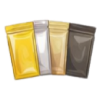
Stand up pouches are great all-rounder for snacks, powders, supplements, coffee, and pet treats—especially when you want maximum branding area and easy add-ons.
Best when you want:
- Strong shelf presence
- Zipper + window + optional valve combinations
- A pouch that looks “retail-ready”
Flat pouches (lay-flat / 3-side seal styles)
Perfect for samples, single-serve packs, small items, and anything you want to ship compactly.
Best when you want:
- Lower cost
- Trial packs / sample programs
- Lightweight shipping
Flat bottom / box pouches (premium vibe)
Often used for premium coffee and higher-end retail brands because the structure feels upscale and stable.
Best when you want:
- Premium shelf look
- More “panel space” for branding
- Strong stability
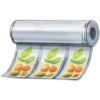
Rollstock (for automated packing)
If you’re filling at scale with form-fill-seal machinery, rollstock is the efficient option.
Best when you want:
- High-speed automated packing
- Large production volumes
Choosing materials: a simple way to get it right
Most pouch material decisions become easy when you answer one question:
What does your product “hate” most?
- Moisture (crunchy snacks go soft)
- Oxygen (coffee, aromatics lose freshness)
- Light (some ingredients degrade faster)
- Aroma loss (flavor perception drops)
Then choose a film structure that matches that risk. Flexible Pouches highlights multiple film/material directions (clear, barrier films, recyclable, compostable) so your pouch can match both performance and brand positioning.
Rule of thumb: don’t overpay for “maximum barrier” if your product doesn’t need it—but also don’t under-protect and lose customers to staleness.
Custom features that boost conversion
This is where packaging becomes a sales tool. The goal is simple: make the pouch easy to use and feel premium, so customers trust it.
Resealability (huge for repeat purchases)
If your product is multi-use, resealability usually improves the experience—especially for snacks, powders, and pet treats.
A useful comparison is press-to-close vs Velcro-style closures: Velcro-style closures can perform better for fine powders, while press-to-close is common and cost-effective.
Good candidates for custom resealable pouches:
- Snacks, trail mix, nuts
- Protein powder and supplements
- Pet treats
- Anything used over 7–30 days
Other “conversion-friendly” add-ons
- Tear notches: easier opening, fewer “messy rips”
- Windows: instant trust if your product looks great
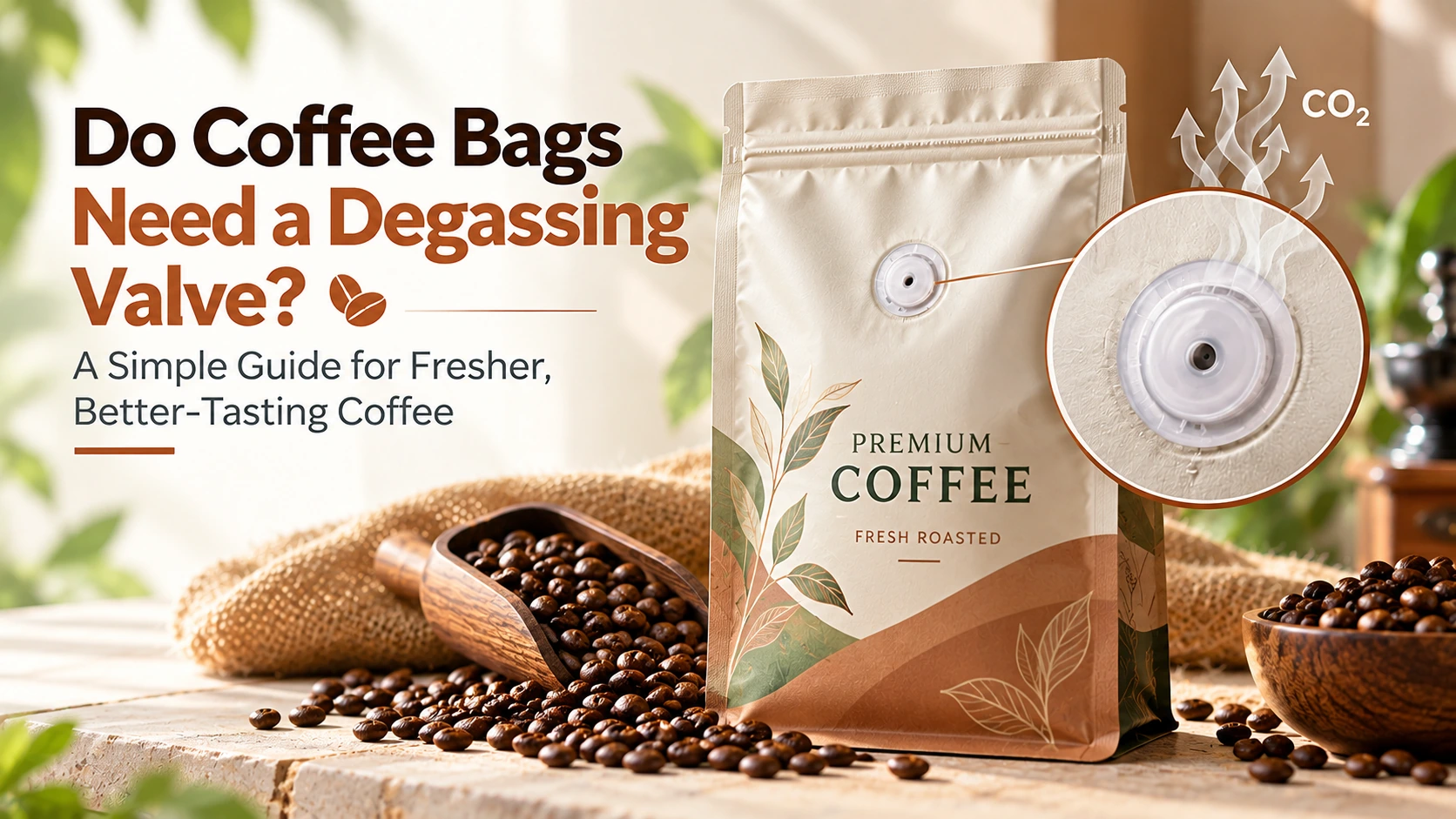
- Degassing valves: especially relevant for coffee
- Matte / gloss / soft-touch finishes: changes perceived quality fast
Flexible Pouches lists these types of customizable options across its pouch offerings (features, finishes, and food-safe positioning).
Filling and processing: don’t skip this step
Your filling method affects what pouch structure and seal strength you need.
Most brands fall into one of these:
- Hand-fill (small runs): prioritize easy opening + consistent sealing
- Co-packer filling preformed pouches: confirm what formats their machines accept
- Automated form-fill-seal: rollstock is often the right direction
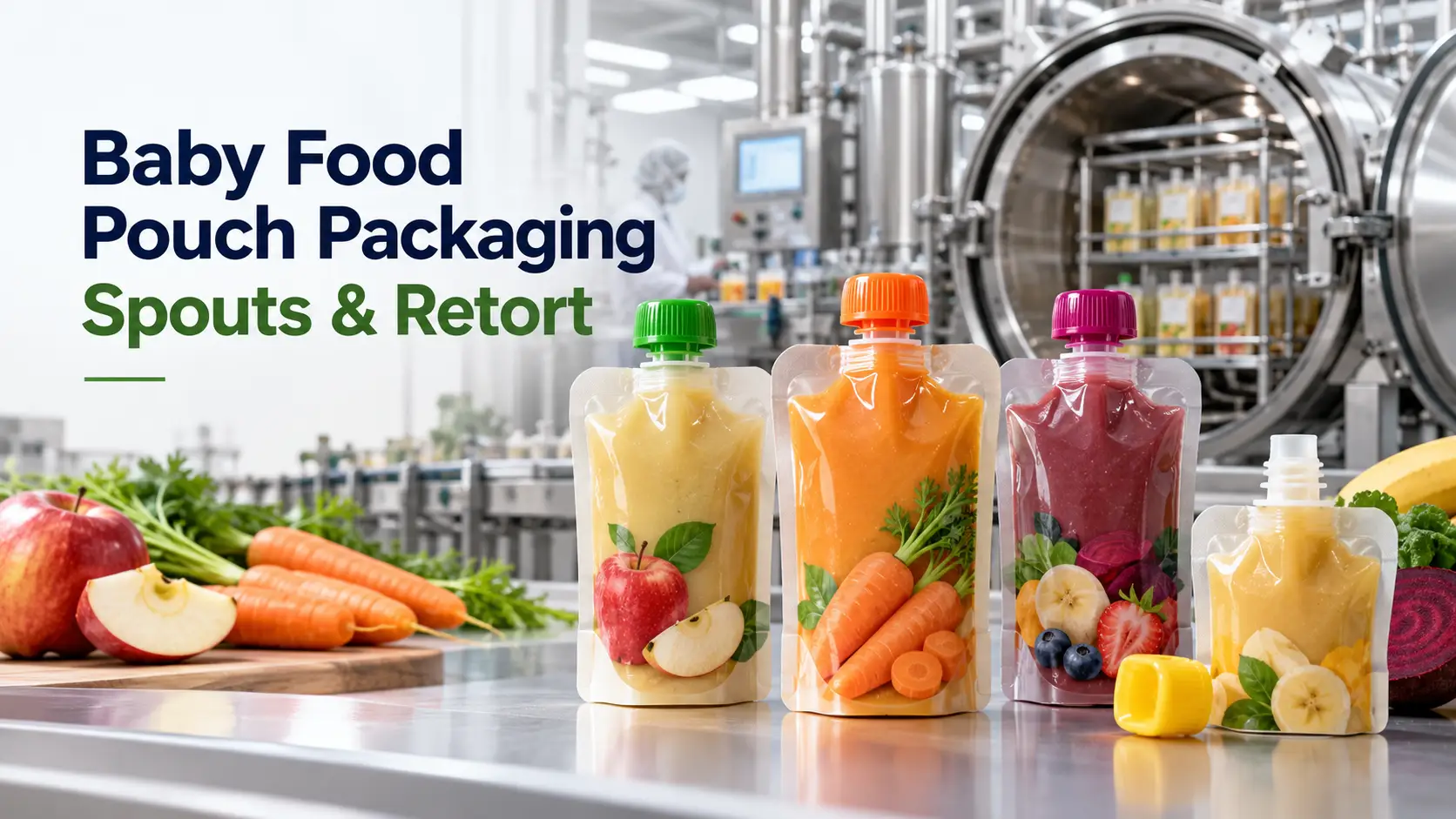
If you’re packaging food or supplements, you’ll also want to ensure your packaging components align with food-contact expectations and your market’s requirements. The U.S. Food and Drug Administration provides reference info on food contact substances and packaging components.
Pouch printing: choose based on your stage
Printing isn’t just aesthetics—printing choice affects lead time, flexibility, and cost.
Digital printing
Digital printing is ideal when you want:
- multiple SKUs (flavors, sizes)
- faster changes
- lower setup costs (no plates/cylinders)
Flexible Pouches explicitly highlights digital printing benefits like high quality and no plate/cylinder fees.
Rotogravure (for very high-volume runs)
Rotogravure becomes attractive when:
- you’re ordering large quantities
- your design is stable for a long time
Simple rule: if you’re still testing, digital wins. If you’re scaling hard, explore rotogravure.
Sustainability options: recyclable #4 and compostable
Sustainable packaging can convert well, but only when it’s clear and honest.
Recyclable #4 (mono-material direction)
Flexible Pouches’ #4 recyclable structure is described as a mono-material LDPE-based laminate, with a small EVOH component for barrier performance.
Reality check (important):
- Many #4 films are store drop-off, not curbside (depends on your region).
- The How2Recycle explains store drop-off guidance for flexible polyethylene-based plastics (including #4 LDPE).
Compostable / biodegradable options
Flexible Pouches also offers compostable pouch options and describes plastic-free compostable film directions (often positioned for eco-forward brands).
Best practice: if you promote compostability, be explicit about how/where it should be disposed (because local access varies).
Conclusion:
The best pouch is the one that fits your product perfectly—stays fresh, looks great, and feels easy to use every time. Once you match the right pouch style with the right barrier and reseal option, your pouch packaging becomes a growth tool, not just a container.
Want help choosing the right flexible pouch packaging?
Request a quote and tell us your product + size. We’ll recommend the best custom pouch packaging options for your needs
FAQs:
1) What is flexible pouch packaging?
It’s lightweight, durable pouch packaging made from layered films for protection and strong branding. It’s popular because it ships easily and looks premium on shelf.
2) How do I choose the right custom pouch for my product?
Start with your product type and the main risk (oxygen, moisture, light, or aroma loss). Then match the pouch style + barrier material + features like zippers or windows.
3) Are custom resealable pouches worth it?
If your product is used multiple times—resealing keeps it fresher and reduces spills. It also improves customer experience and often increases repeat purchases.
4) What’s the best printing method for custom pouch packaging?
Digital pouch printing is ideal for low minimums, fast turnaround, and multiple SKUs. Rotogravure is best for very large orders when the design won’t change.
5) Can flexible pouch packaging be recyclable or compostable?
Yes—there are recyclable (#4-style) and compostable material options depending on your goals. The right choice depends on barrier needs and local recycling/composting access.