








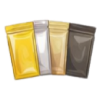








If your packaging can’t keep product fresh, look premium on a shelf, and feel effortless to use—your marketing budget ends up doing the heavy lifting.
That’s why custom zipper pouches have become a go-to for modern brands. They’re practical, cost-efficient, and incredibly flexible. Whether you’re selling snacks, coffee, supplements, pet treats, cosmetics, or powders, custom-printed zipper pouches can make your product look bigger, fresher, and more trustworthy.
Here’s a simple guide to help you pick the right zipper pouch for your product and your current stage.
What are custom zipper pouches?
Custom zipper pouches are flexible packaging bags with a resealable zipper closure, manufactured in your chosen size, material options, finish, and printed design. Most are built with layered films that protect your product from:
- Moisture (keeps powders crisp, prevents clumping)
- Oxygen (slows staling/oxidation)
- Light (reduces UV exposure for sensitive goods)
- Odors (keeps flavors/aromas where they belong)
The zipper adds everyday usability: customers can open, close, and store the product without transferring it to another container—meaning your packaging stays in their hands longer.
Why zipper pouches are “ultimate” for brands
1) They upgrade customer experience instantly
A resealable pouch is a small detail that creates a big perception shift:
- feels more premium than a tear-open bag
- reduces mess and spills
- improves repeat-use convenience
(If you want to go deeper on zipper types, this guide helps: Press-to-Close vs. Velcro Zippers.
2) They protect freshness (and reduce returns)
Freshness isn’t only about ingredients. Packaging decisions often control:
- crunch retention (snacks)
- aroma preservation (coffee/tea)
- potency stability (supplements)
- texture consistency (powders)
If your product loses quality after opening, the zipper becomes a real performance feature—not a “nice-to-have.”
3) They sell better on shelves and in photos
Stand up zipper pouches create a billboard effect:
- full-front branding area
- modern retail look
- easy to photograph for ecommerce and ads
If you’re fighting for attention on a crowded shelf (or an Amazon search page), pouch format and print quality matter.
4) They’re lighter and ship efficiently
Compared to jars, tubs, and boxes, pouches typically:
- reduce shipping weight
- reduce storage space
- lower freight and warehousing costs
This matters a lot as your order volume grows.
5) They scale from small runs to big growth
If you’re launching or testing SKUs, you want flexibility:
- seasonal designs
- multiple flavors/variants
- fast iterations based on feedback
This is where digital printed pouches are especially powerful for brands that move quickly.
The zipper pouch styles (and when to choose each)
-
Stand up zipper pouches (most popular)
Best for: snacks, coffee, pet treats, supplements, powders, candy
Why: stands on shelves, premium look, strong branding space
-
Lay-flat zipper pouches (three-side seal)
Best for: samples, single-serve packs, lightweight products
Why: compact, cost-effective, easy to pack in boxes
-
Flat bottom zipper pouches (box-bottom)
Best for: premium retail, larger volumes, “high-end” shelf presence
Why: stable base + premium silhouette + more perceived value
Tip: If your product is competing in premium categories (specialty coffee, wellness blends, high-end pet), the flat-bottom look can justify higher pricing.

The most important decision: choosing the right barrier material
A zipper pouch can look amazing—but if the film structure is wrong, you’ll feel it in:
- staling complaints
- clumping or moisture issues
- scent leakage
- short shelf life
- product fading (light exposure)
Here’s a practical way to choose:
Low barrier (basic protection)
- Good for: non-sensitive items, quick-turn inventory
- Examples: some dry goods, promotional packaging
- Benefit: typically more cost-efficient
- Risk: may not protect aroma/potency long-term
Medium barrier (most common “all-around”)
- Good for: snacks, granola, candies, dry pet treats, powders
- Benefit: balanced protection + cost
- Recommended when: product is opened repeatedly
High barrier (maximum protection)
- Good for: coffee, tea, supplements, protein powders, sensitive ingredients
- Benefit: strong defense vs oxygen/light/moisture
- Recommended when: you need longer shelf life or aroma lock
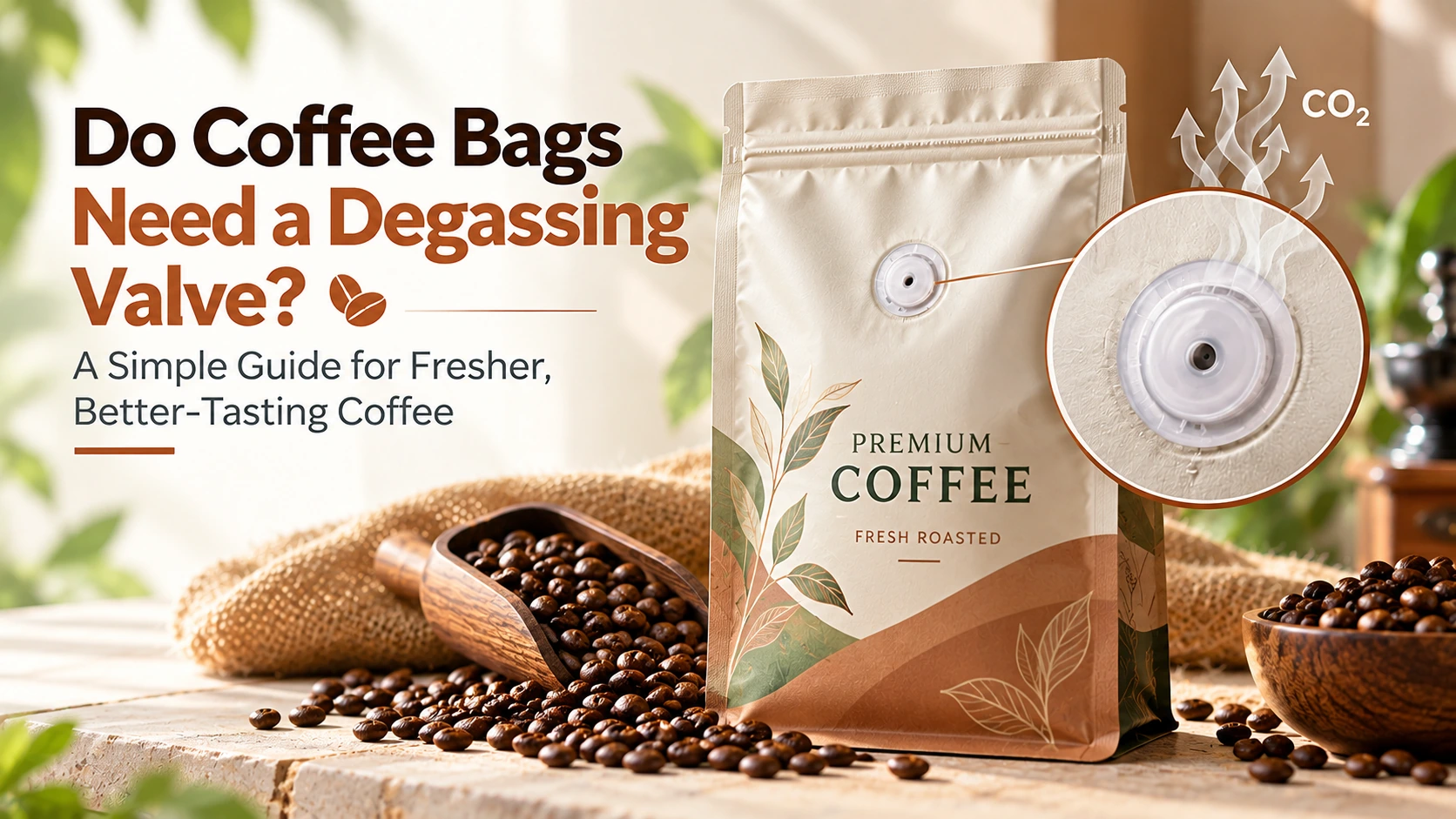
Add-on note: if your product releases gas (like freshly roasted coffee), a one-way degassing valve is usually worth it.
Customization features that actually increase sales
A lot of pouch “options” are cosmetic. These are the ones that usually improve performance or conversion:
Resealable zipper type
- standard press-to-close zipper for everyday products
- upgraded zipper profiles for heavier products or premium feel
- specialized closures for compliance-driven categories (where applicable)
Tear notch
Makes opening easy and reduces “angry customer” moments.
Window (clear or frosted)
Boosts trust by letting customers see the product.
Best for: snacks, candy, pet treats, powders with attractive texture
Hang hole
Useful for retail peg hooks (small packs, samples, impulse items).
Finish (gloss, matte, soft-touch)
- Gloss: bright, bold, strong color pop
- Matte: modern, clean, premium
- Soft-touch: luxury feel (great for premium brands)
Metallic effects
If you want premium shelf impact without complicated packaging shapes, selective metallic effects can help your design “catch light” in store photos and aisle lighting.
Printing method: digital vs. roto
-
Digital printing (ideal for speed + low MOQ)
Best for:
- startups and growing brands
- multiple SKUs (flavors, sizes, seasonal designs)
- frequent design updates
Why it matters: you can test and iterate without committing to huge volumes.
-
Rotogravure (ideal for large, consistent volume)
Best for:
- very large runs
- long-term designs that won’t change
- maximum per-unit efficiency at scale
A practical rule:
Sustainability: what “eco-friendly zipper pouches” really means
Sustainability claims in flexible packaging can get confusing fast—so here’s the simple, buyer-safe breakdown:
Recyclable (mono-material) pouches
These are typically designed using one main plastic family (often PE or PP) to improve recyclability pathways. They can be a strong option for brands that want:
- better compatibility with flexible recycling streams
- a clear sustainability story without switching to paper-based looks
Important: “Recyclable” depends on local facilities and collection programs—so it’s best to message this responsibly on-pack.
Compostable / biodegradable pouches
These can be great when:
- your customers have access to composting programs
- your brand story aligns strongly with composting
- the packaging is properly certified and labeled
Important: compostable packaging is usually designed for specific composting conditions; avoid vague claims and always align to recognized standards and accepted pathways.
Food-grade and compliance basics:
If you’re packaging anything edible (or ingestible), it’s not just about design—it’s about material safety and proper supplier documentation.
What smart brands request:
- food-contact safe material confirmation
- ink/adhesive suitability (especially for the intended conditions of use)
- documentation appropriate for your market (U.S., EU, etc.)
If you’re in a regulated category (supplements, pharma-adjacent, child-resistant needs), ask early so the pouch structure and closure are designed correctly from day one.
Final Words:
Custom zipper pouches are more than “a bag.” When chosen correctly, they become a freshness system, a brand billboard, and a customer experience upgrade—all in one.
If you want packaging that looks premium, protects your product, and scales with your growth, Flexible Pouches can help you choose the right pouch style, barrier film, finish, and zipper features for your exact product and budget.
Ready to upgrade your packaging? Request a quote and get expert guidance on the best custom printed zipper pouch for your product.
FAQs:
1. Are stand up zipper pouches good for ecommerce?
Yes—because they’re light, durable, and photograph well. They also reduce shipping cost compared to rigid packaging.
2. What’s the best pouch for coffee?
Usually a high barrier stand up pouch with a one-way degassing valve (for fresh roasted beans) and a reliable zipper.
3. Can zipper pouches be recyclable?
Some are designed as mono-material structures intended to improve recyclability compatibility. Always match claims to labeling guidance and local collection realities.
4. Do zipper pouches work for powders and supplements?
Yes—especially with the right moisture/oxygen barrier and a strong seal structure.