


















Walk through any grocery store and just watch the coffee aisle for a minute. Some bags stand tall. Some slump to the side. A few catch your eye for no clear reason at first. That is packaging doing its quiet work before anyone even reads a single word on the label.
The way a pouch is built changes how people see what is inside. A weak bag with a sticky zipper feels cheap, even when the coffee is good. A solid pouch with a clean opening feels like something worth paying for. And that gap, right there, is what the whole unboxing experience comes down to.
Why the Unboxing Experience Matters
Nobody buys packaging on purpose. They pay for it anyway, and they remember how it felt. Open a snack bag that tears down the side instead of across the top and that little annoyance sticks in your head. You may not remember the brand name later, but you will not pick up that bag again either.
Good packaging earns trust without having to ask for it. The zipper works for the first time. The bag stands upright in the cupboard. Nothing leaks, nothing spills, nothing crumbles. Small wins, but they pile up fast and they make a real difference at the till.
These are the things a buyer notices without even thinking:
- The seal opens without needing scissors
- The zipper actually closes again after the first use
- The bag stays standing when it is half empty
- The print does not scratch off after a week
- The bottom does not split when you set it down too hard
Each one is small on its own. Put them together though, and they quietly decide whether a buyer ever comes back for a second purchase.
What Structural Packaging Design Really Means
A lot of people hear “packaging design” and picture logos, colors, fonts. That is one half. Structural packaging design is the other half: the actual shape of the bag, where the seals run, how the zipper is built, what the gusset does. The skeleton of the pack, basically.
Picture two coffee pouches sitting beside each other on a shelf. Same beans. Same weight. One has a degassing valve, a sharp tear notch up top, and a wide bottom that lets it stand on its own. The other is flat with no valve and a flimsy zip. Same coffee inside. Two very different sales.
| Feature | What It Does for the Buyer |
| Resealable zipper | Keeps the product fresh after opening |
| Tear notch | Opens cleanly with no scissors |
| Bottom gusset | Lets the bag stand on its own |
| Degassing valve | Gas escapes, air stays out |
| Clear window | Buyer sees the product inside |
| Rounded corners | Easier and softer to grip |
| Matte finish | Less shiny, more upmarket feel |
Good structural packaging design quietly fixes problems the buyer was not even thinking about yet.
How Packaging Design Influences Buying Decisions
In a busy shop, you have about three seconds to grab someone’s attention. Sometimes less than that. Strong packaging design wins those seconds. It pulls the eye, holds it long enough for the brand name to land, and gets the hand to reach out.
Loud is not what wins. Clear is. A clean stand-up pouch with strong colors, easy-to-read words, and a confident shape will outsell a bag stuffed with seven graphics and ten different claims, every time.
Strong product packaging design helps a brand:
- Get picked up before the bag right next to it does
- Look more expensive than it really is
- Tell the buyer what the product is in one glance
- Build trust before the label is even read
- Take a clean photo for online stores and social posts
This is also why packaging shelf appeal is not a “nice to have.” It might just be the cheapest way to push sales up without changing the product itself.
Important Note: If a buyer cannot figure out what your product is in two seconds, they walk past it. Clear always beats clever on a packed shelf.
Shelf Appeal Starts with Smart Structure
Shape pulls more weight than most brands realize. A bag that flops over or sits low on the shelf disappears. A bag that stands proud and faces front gets seen. The pack is doing real selling work before the color even gets its turn.
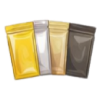
Different pouch styles work for different jobs:
| Pouch Style | Best For | Why It Works |
| Stand-up pouch | Coffee, snacks, pet treats | Stays tall, plenty of room for print |
| Flat-bottom pouch | Premium coffee, loose-leaf tea | Looks like a box, feels expensive |
| Window pouch | Granola, dried fruit, nuts | Buyer can see the product itself |
| Spouted pouch | Sauces, baby food, drinks | Easy to pour, easy to close again |
| Lay-flat pouch | Sample sizes, sachets | Saves space, ships flat |
The right pick depends on what you sell and who is buying it. A premium tea brand in a flat-bottom pouch sends a totally different message than the same brand in a thin little sachet. Structure tells a story before the label gets a word in.
Premium Packaging Design Builds Product Value
The pack itself does most of the work when it comes to making a product feel expensive. A heavy matte pouch with a soft-touch coating, a clean zip, and a sharp tear line can feel like a thirty-dollar product even when it sells for twelve.
Premium packaging design is not really about spending more. It is about picking better. Plenty of the most upmarket pouches sitting on shelves right now use plain kraft paper and one or two ink colors. The money is just going into structure and finish instead of fancy print.
Small things that quietly push the value up:
- A thicker laminate that does not crinkle in the hand
- A zipper that clicks shut instead of sliding
- Tight, clean seals with no glue showing on the edges
- A finish you can actually feel, whether matte, soft-touch or textured
- Empty space on the front instead of a wall of graphics
Brands that get this right charge more for the same product than the ones who skip these details. The pouch is earning that margin every day.
Custom Pouch Design Features Customers Notice
Custom pouch design is where structural thinking pays back the fastest. When the bag is built around the product instead of pulled from a stock catalog, the small problems disappear before the buyer ever runs into them.
Features buyers love without anybody pointing them out:
- Wide tear notches that still work with wet hands
- Hang holes for products that sit on display hooks
- Child-resistant zippers for supplements and pet medicine
- Spouts sized to match how the product is actually poured
- Oval windows that show what is inside without weakening the seal
- Built-in handles for big sizes like pet food and protein powder
- Frosted finishes that hide fingerprints and small scuffs
Custom packaging design also lets the bag match how the product is actually used. A coffee buyer opens the bag once a week. A protein powder buyer scoops daily. A pet treat owner reaches in five times a day. Each one needs a different zipper, a different gusset, a different opening size. Stock pouches just cannot do that.
Why Pouch Packaging Design Works for Retail Products
Pouch packaging design has been taking over shelves for some good reasons. Pouches weigh less than jars or tins. They cost less to ship. They print cleaner. And when a brand wants to refresh the look, the pouch can be redesigned in a few weeks. A glass jar or a custom box can take months and a lot of money to change.
For packaging for retail products, pouches just fit how people actually live and shop:
- They sit flat in the grocery bag without crushing the bread
- They take up much less room in the pantry
- They are easier to recycle in more regions now
- They use less material per gram of product than rigid packs
- They give brighter, fuller print than tin, glass or board
Industries leaning hard into pouch packaging design these days:
| Industry | Why Pouches Work |
| Coffee and tea | Built-in freshness barriers and valves |
| Snacks | Stand-up display and easy reseal |
| Supplements | Light weight, child-safe zippers |
| Pet food | Strong gussets for the big sizes |
| Beauty powders | Premium feel at low weight |
| Wellness | Clean look, lots of room to brand |
Important Note: A pouch that looks beautiful but cannot survive a delivery truck is a broken product. Always test the structure first, then worry about the print.
Packaging Experience Drives Repeat Sales
The packaging experience sticks around long after the product is gone. The bag is empty. The coffee was finished last week. The snack got eaten on Tuesday. But the buyer still remembers whether the bag was a pain to deal with, and that memory shows up the next time they shop.
A repeat buyer keeps coming back for reasons nobody really puts into words:
- The product itself did its job
- The packaging stayed out of the way
- The whole thing just felt like the brand had its act together
That middle one is the bit most brands sleep on. Even a great product loses buyers fast when the pack frustrates them every day. A zipper that fails by week two will quietly kill a brand without anyone even leaving a review about it.
A good unboxing experience turns first-time buyers into regulars with no extra ad spend at all. The pouch keeps doing the selling work every single time someone reaches for it in the kitchen.
Conclusion
Packaging is not really just the wrapping. It is part of the actual product. Structural packaging design shapes the first impression, the daily use, and the little memory that decides if a buyer comes back. Brands treating the pack as an afterthought are quietly leaving money on the shelf every single day.
The best unboxing experience comes from small, smart choices: the zipper, the finish, the gusset, the window. Pick well and the pouch does the selling work for you. Pick badly and even great content inside cannot save the sale.
Ready to Build Packaging Your Customers Will Actually Remember?
Flexible Pouches helps brands build custom pouch packaging that opens cleanly, stands tall, and protects what is inside, whether that is coffee, snacks, supplements, pet products, or beauty powders. If your current pack is letting the product down, fix the structure first.
Let us help you build packaging that earns those repeat sales.
FAQs
- What exactly is the unboxing experience?
It is the full feeling a buyer gets from picking up the pack to finishing the product. Everything plays into it: opening the seal, closing the zipper again, holding the bag, putting it back in the cupboard. A bad one loses repeat sales even when the product itself is genuinely great.
- How is structural packaging design different from normal packaging design?
Normal packaging design is mostly the visual side: logos, colors, labels, layout. Structural packaging design is the build of the bag itself. The zipper, the gusset, the seals, the finish, how it actually stands up. Both matter, but the structure is what the buyer touches every day.
- Does premium packaging design really need a big budget?
Not at all. Premium packaging design is mostly about smart choices, not big spending. A clean matte finish, a strong zip, a confident pouch shape, and tidy print can look more expensive than a busy bag with foil stamping and ten different colors fighting each other.
- Which pouch style works best for packaging for retail products?
Depends on the product. Coffee and snacks suit stand-up pouches. Premium tea works in flat-bottom pouches. Sauces and drinks need spouted ones. Granola and dried fruit do well in window pouches. The product should pick the structure, not the other way around.
- How does custom pouch design actually help sales?
Custom pouch design fixes the little problems stock packs just ignore. A tear notch that works on the first try. A zipper that reseals properly every time. A gusset that fits the shelf the right way. These small wins build trust, and trust quietly brings the buyer back next time.
- Why does packaging shelf appeal matter so much for retail sales?
Shoppers give each product around three seconds in the aisle. Packaging shelf appeal is what wins those seconds. A bag that stands tall, prints clean, and looks pulled-together gets picked up. One that leans over or looks messy gets skipped no matter how good the product inside actually is.