








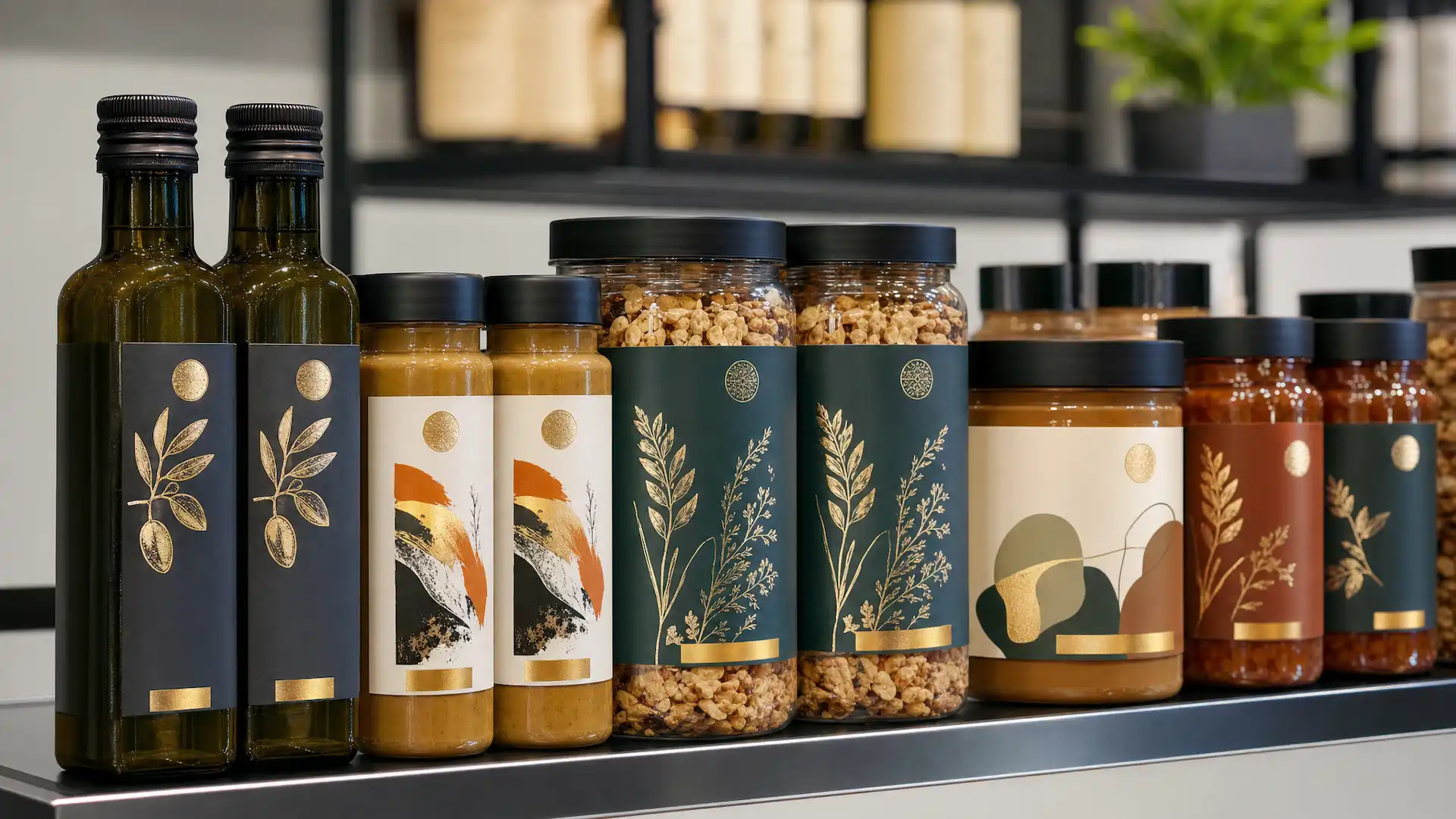
Next time you walk into a store, stop for a second and pay attention to what your eyes do. Without thinking, they go straight to certain products and skip right past others. You did not plan that. Something about those products just caught your attention first. Nine times out of ten, it was the label doing that job quietly, before you read a single word.
The brands that sell well on a shelf understand this. They do not treat labeling as the last box to tick before shipping. A bad label on a good product loses sales every single day. Customers in a store make decisions in seconds, and a label that looks cheap, peels at the corner, or prints dull tells them to move on without even realizing why. Pressure sensitive labeling is how serious brands make sure that moment goes in their favor on pouches, jars, bottles, containers, and just about any other surface their product sits on.
What Are Pressure Sensitive Labels?
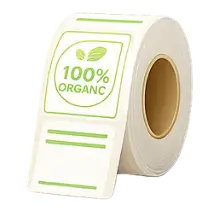
Simplest way to explain it a pressure sensitive label is a sticker that means business. The adhesive is already in the label when you get it. Peel the backing, press it onto whatever surface you need, done. No heat gun, no water, no glue just your hand or a machine applying a bit of pressure.
Every pressure sensitive label has three layers:
| Layer | What It Does |
| Face Stock | The top layer where your design and text are printed. Can be paper, film, or metallic foil. |
| Adhesive | The sticky middle layer that bonds the label to the surface. Already built into the label. |
| Release Liner | The backing paper or film that protects the adhesive until you are ready to apply the label. |
Small batches get applied by hand. Large production runs go through automatic applicators hitting thousands of labels per hour. Either way, the result is the same a clean, firmly bonded label that stays put.
Why Brands Choose Custom Pressure Sensitive Labels
Ask packaging managers at growing brands what labeling method they use and most will tell you the same thing without much deliberation. Pressure sensitive labels. They work on every surface, scale up or down without drama, and produce results that actually look good.
Here is why they keep coming out on top:
- No special equipment needed — No heat tunnels, no water baths. Just peel and apply.
- Works on all surfaces — Plastic, glass, metal, paper cartons, flexible pouches, and more.
- Clean, professional finish — Labels lie flat and smooth without wrinkles or bubbles.
- Cost-effective for any size order — Whether you need 500 labels or 500,000, the process stays efficient.
- Fast turnaround — Production timelines are shorter compared to many other labeling methods.
- Easy to automate — Pressure sensitive labels are fully compatible with high-speed automatic applicators.
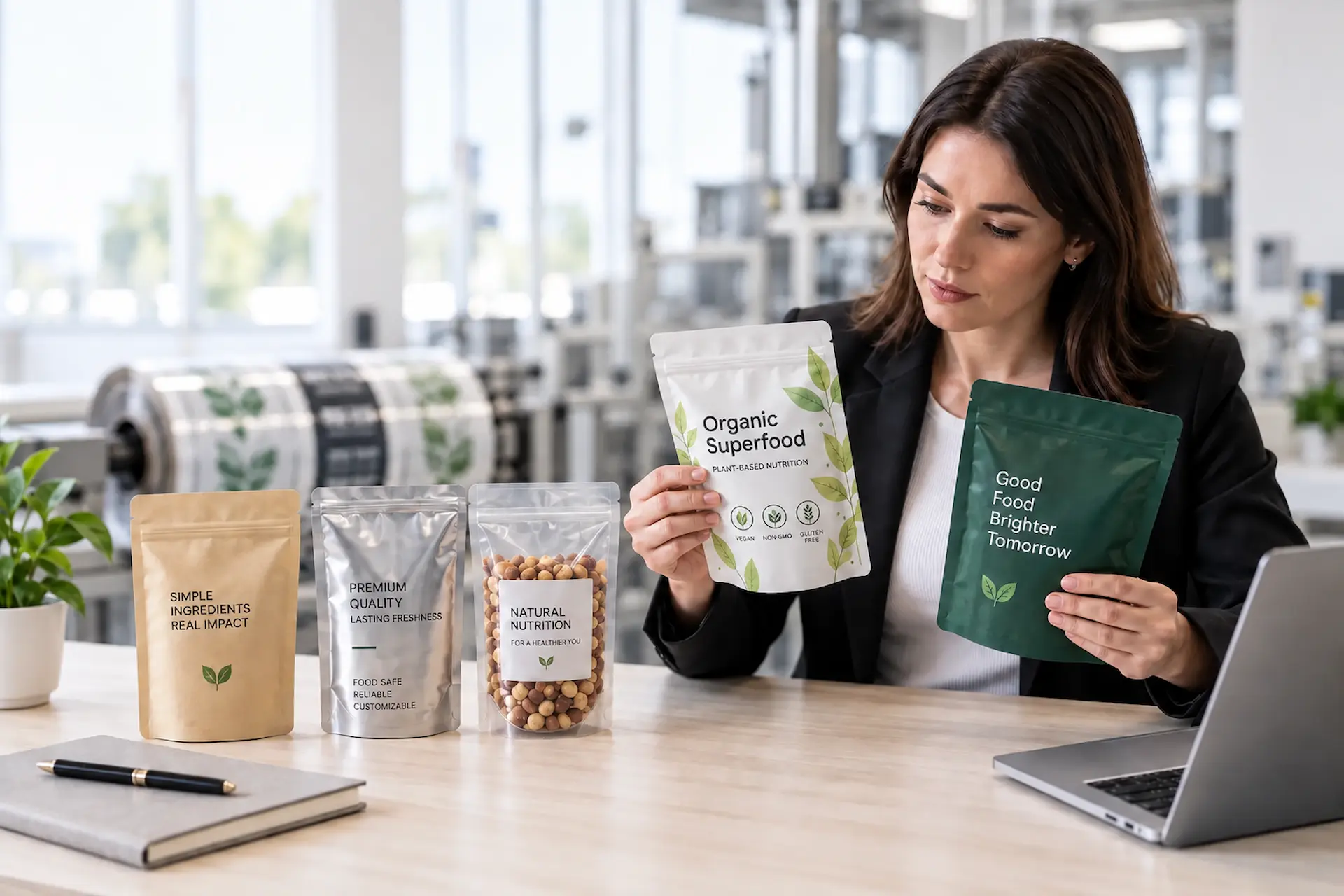
Brands selling products in stand up pouches, flat bottom pouches, or lay-flat pouches use pressure sensitive labels on the front panel regularly they sit clean on flexible film and do not lift or peel through shipping and retail handling.
Where Custom Pressure Sensitive Labels Are Used
Most labeling methods were designed with one type of surface in mind. PSLs were not. They genuinely work across a wide variety of packaging without needing a separate process for each format.
Packaging types where PSLs perform well:
- Stand-up pouches and lay-flat pouches
- Glass and plastic bottles
- Jars and tubs
- Boxes and cartons
- Metal cans and tins
- Flexible tubes
Curved bottles, tapered containers, embossed surfaces none of these are a problem when the adhesive is matched correctly to the substrate. That coverage across formats is why you see PSLs in food, cosmetics, pharma, chemicals, pet care, and pretty much every other retail category.
Important Note: For flexible pouch packaging, adhesive selection is not a minor detail. Flexible surfaces move they expand and compress when a pouch gets filled, squeezed, or dropped. If you use a standard adhesive on a flexible substrate, the label will start lifting at the edges faster than you expect. Always spec an adhesive built for flexible materials and tell your supplier what the pouch film is made of before anything gets ordered.
Material Options: Choosing the Right Face Stock
The material the label is made from changes everything — how it looks on the shelf, how long it lasts, and what kind of first impression it makes. Getting this wrong costs money. Getting it right barely needs to be thought about again.
Paper Face Stock Paper is cheap, prints well, and gives products a natural, handmade quality that works nicely for artisan food brands, organic products, and craft goods. Where it falls apart is moisture. A paper label on a product that goes in a fridge, a wet bathroom cabinet, or a humid warehouse will start looking terrible fast. For dry, room-temperature storage great option.
Film Face Stock (BOPP / Polypropylene) BOPP film is what you reach for when the product faces any kind of moisture, repeated handling, or rough storage conditions. Waterproof, tough, and it does not tear easily. If your product ends up in a gym bag, a refrigerator, or a bathroom, BOPP is the right call. It also happens to look clean and modern under retail store lighting which does not hurt.
Metallic / Foil Face Stock Foil labels do something that paper and film physically cannot they reflect light. Pick up a foil-labeled product in a store and your eye goes there automatically. That is not an accident. Cosmetics brands, premium spirits, specialty health products they all use foil because it communicates high value the moment anyone looks at the product, before they pick it up.
Flexible Pouches carries a full range of material options and can help you land on the right one based on your product, your packaging, and your brand positioning.
Pressure Sensitive Label Printing: Where Branding Comes to Life
Great material, bad printing — the label still lets you down. Pressure sensitive label printing is what takes a blank substrate and turns it into something that actually represents the brand. Colors need to match what the designer built. Text needs to stay sharp at sizes small enough to fit regulatory requirements. And the finish needs to feel intentional, not accidental.
Key printing options for custom pressure-sensitive labels:
- Digital Printing — No plates, fast setup, and no cost penalty for running several different designs in one go. Digital printing suits short to medium runs and multi-SKU brands perfectly.
- Rotogravure Printing — High volume, tight color accuracy, consistent results across massive runs. Roto printing is the right call when you are printing at serious scale.
- Matte or Gloss Lamination — Changes both the look and the durability of the finished label in meaningful ways.
- Spot UV Coating — Puts a high-gloss hit on specific design elements — a logo, a product name — while the rest stays matte. Creates real visual depth.
- Embossing / Debossing — Raises or recesses parts of the design so the label has texture you can actually feel when you pick it up.
Beyond the technical specs, the label still needs to do its job display the brand name, product name, key claims, ingredients, and legal information in a way that shoppers can read quickly in a real store environment.
Pressure Sensitive Labels vs. Other Labeling Methods
Knowing the alternatives puts the decision in context. PSLs are not right for every single scenario here is an honest look at where they sit.
| Labeling Method | Application Process | Key Equipment | Best For |
| Pressure Sensitive | Peel and apply with pressure | Minimal (labeler/applicator) | All packaging types and variable data |
| Shrink Sleeves | Heat-shrunk to fit surface | Shrink tunnel | Full-body coverage and contoured shapes |
| Glue-Applied (Wet/Hot) | Glue roller or nozzle application | High-speed glue station | High-volume glass or PET bottles |
| Roll-Fed Labels | Continuous feed and cut | Specialized roll-fed machinery | Plastic containers and high-speed beverage lines |
For brands on flexible packaging, PSLs win on accessibility and flexibility. Full 360-degree coverage on a bottle or jar? Shrink sleeves are the better tool for that. But for clean, branded labeling across pouches and containers without buying specialized equipment, PSLs are where most brands land and stay.
Industries That Rely on Pressure Sensitive Labeling
The range of categories that use PSLs says a lot about how reliable and flexible the format actually is.
1- Food & Beverage Snack pouches, sauce jars, coffee bags, condiment bottles food brands deal with FDA compliance requirements, nutritional panels, barcodes, and heavy retail handling all at once. Custom pressure-sensitive labels handle all of it without adding complexity to the production line.
2- Health & Wellness Health supplement shoppers read labels carefully. They are suspicious of anything that looks cheap or generic. Health and wellness packaging with sharp label printing builds the visual credibility that gives these brands a fighting chance when a customer is deciding between three similar products on the same shelf.
3- Cosmetics & Personal Care Skincare and beauty labels get wet, get oily, and get handled constantly. Film-based PSLs with moisture-resistant adhesives handle the punishment while premium finishes matte lamination, metallic foil give the packaging the look the category demands.
4- Pharmaceutical & Medical Dosage info, batch numbers, expiry dates, regulatory warnings all of it has to be printed accurately and stay legible for the product’s full shelf life. PSLs do this reliably and support tamper-evident constructions where compliance requires it.
5- Pet Food The pet food packaging category is crowded and getting more competitive every year. Pet owners are attentive buyers they read ingredients, they compare brands, and they absolutely judge packaging quality. A well-printed label on a pouch or bag moves product. A weak one loses to the competitor two inches away.
6- Oils & Chemicals Chemical exposure, heat, rough warehouse handling standard labels fail fast in these conditions. Film PSLs with chemical-resistant coatings are specifically built to stay bonded and readable through environments that would destroy paper labels within days.
How to Order Custom Pressure Sensitive Labels from Flexible Pouches
No complicated process here. Flexible Pouches keeps it straightforward from first contact to delivery.
Step 1 — Share Your Requirements Label size, shape, surface type, quantity, design goals. More detail upfront means a faster, more accurate quote.
Step 2 — Choose Label Specifications Face stock material, adhesive type, finish matte, gloss, or metallic — plus any special effects.
Step 3 — Artwork Submission & Proof Approval Send files in AI, EPS, or layered PDF format. A digital proof lands in your inbox within 24 hours. Nothing moves to production until you sign off. Before you submit, check the artwork setup guide it saves time and prevents file issues from slowing the process down.
Step 4 — Production & Delivery Orders ship within 10 business days from artwork approval. Free shipping to most worldwide destinations. Want to see the label on your actual packaging before committing to a full run? Ask about mockups and prototypes first.
Tips for Designing the Perfect Label for Your Pouch or Container
Most label regrets happen because the design was never tested on the physical surface. A file that looks sharp on a monitor can look completely different once it is printed on film and applied to a flexible pouch. These habits stop that from happening.
- Keep fonts simple and readable — Decorative fonts that look beautiful in a design file become unreadable at small label sizes. Always proof text at the actual size it will print.
- Use a clear color hierarchy — The brand name and product name lead. Everything else — weight, serving size, secondary claims — supports them visually.
- Match the finish to the category — Matte reads premium and calm, which suits wellness and beauty. Gloss reads bold and energetic, which suits food and beverage. Neither is wrong — they just say different things.
- Design for the surface — Labels on flexible pouches flex with the packaging. Thin borders and delicate details near the edges will distort. Keep the important stuff in the center of the label panel.
- Check your die-cut shape — Custom-shaped labels need the die dimensions confirmed in the artwork file before submission. This is the single most common delay in label production.
Important Note: Order a physical sample before you approve a full production run. Screen colors and printed label colors are not the same thing especially on film and foil materials where light interacts with the surface differently. A sample costs very little and has saved brands from reprinting entire batches more times than anyone cares to count.
Sustainable Pressure Sensitive Labels: Going Green With Your Brand
Sustainability used to be a marketing differentiator. Now it is a baseline expectation in a lot of categories — retailers ask about it, buyers look for it, and brands that cannot speak to it are starting to lose conversations they used to win easily.
Flexible Pouches offers sustainable pressure sensitive labels that hold up just as well as conventional options:
- Thinner face stock films that use less raw material without giving up durability
- Recycled or recyclable materials for brands pursuing sustainability certifications or on-pack claims
- Water-based inks that meet FDA food-contact standards and cut down on chemical waste in production
- Compostable face stocks that break down alongside fully biodegradable packaging formats
These options sit alongside recyclable pouches and biodegradable pouches so the label and the pouch can both carry the same sustainable message without either one contradicting the other.
Conclusion
A label seems like a small thing until you realize how much riding on it. It is the first physical interaction a customer has with your product. It tells them whether to pick it up or walk past it. On a shelf full of competitors, a sharp, well-made pressure sensitive label is often what tips the balance.
Getting it right takes a few deliberate decisions the material, the adhesive, the finish, the print quality, the design. None of it is complicated. But all of it matters. When these things line up, the product looks the way a good product should look: like it belongs on that shelf and deserves to be bought.
Ready to Get Your Custom Pressure Sensitive Labels?
Your Brand Deserves a Label That Stands Out — Let’s Make It Happen
Stop settling for generic. Flexible Pouches offers fully custom pressure sensitive labels with sharp printing, strong adhesion, and eco-friendly options all shipped within 10 business days.
FAQs:
Q1. What are pressure sensitive labels? Self-adhesive labels with adhesive already built in peel the liner, press the label on, it sticks. Three layers: printed face stock, adhesive, release liner. No heat, no water, no extra glue needed. Used across food, beverage, cosmetics, pharma, and practically every other product category you can think of.
Q2. What is pressure sensitive labeling and how does it work? You peel the backing and press the label onto a surface by hand or through an automated applicator. The adhesive bonds on contact. Works the same way whether someone is applying 200 labels by hand or a machine is running 10,000 an hour. Simple process, consistent result.
Q3. What surfaces can custom pressure-sensitive labels stick to? Plastic, glass, metal, cardboard, flexible pouches, curved bottles, irregular containers most surfaces work fine. What changes is the adhesive spec. Cold storage products, flexible substrates, and high-humidity environments each need a different adhesive formulation. Tell your supplier the storage conditions and they will match the right adhesive to the job.
Q4. What is pressure sensitive label printing? Printing your brand design, product information, barcodes, and legal text directly onto the label’s face stock. Digital printing handles short and medium runs no plates, fast turnaround, easy to run multiple design versions in one batch. Rotogravure is for high-volume orders where color needs to stay perfectly consistent across every single unit.
Q5. Can I get custom pressure sensitive labels in different shapes and sizes? Yes, circles, ovals, arches, rectangles, or any custom contour that fits your container. A die is made to your exact dimensions. Custom shapes rarely add much to the cost and can make a real difference on containers with unusual geometry.
Q6. Are sustainable or eco-friendly pressure sensitive label options available? Yes. Recyclable face stocks, compostable materials, thinner substrates, water-based inks all available. They pair well with biodegradable and recyclable flexible pouches, so the label does not undo the sustainable packaging story the rest of your product is already telling.