
















Picture your product sitting on a shelf. The design looks sharp, the colors are right, and then you spot it. A corner of the label lifting. A tiny bubble. A wrinkle running across the front. That one small flaw does more damage than most people expect, because a shopper sees a sloppy label and quietly wonders what else was rushed.
So the label you choose matters just as much as the artwork printed on it. And here is the part most guides skip over: a pressure sensitive label is not one single product. It is a whole group of choices, from paper or film to permanent or removable glue. Getting custom pressure sensitive labels right comes down to your product, not to whatever happens to be cheapest. This guide breaks down each type and helps you match the right one to what you actually sell.
What Is a Pressure Sensitive Label?
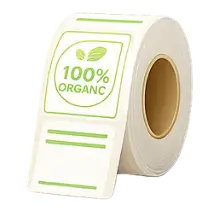
A pressure sensitive label sticks the moment you press it down, and that is exactly where the name comes from. No heat gun. No water bath. No brushing on wet glue. Peel it off the liner, set it in place, press, done. Simple enough that it wound up on nearly every product in your kitchen and bathroom.
People also call them self-adhesive labels, which is the same product wearing a different name. You have peeled hundreds without a second thought: the one on a jam jar, a shampoo bottle, a bag of coffee, a pill bottle. Brands stick with them because they apply fast, look clean, and run down a machine line just as happily as they go on by hand. Five hundred units or five hundred thousand, the format does not care.
Smart Way to Choose the Right Label
Most articles drop a wall of material names on you and wish you luck. Skip that for a minute. Before materials even enter the picture, ask yourself four things. I call it the 4S rule. It takes about thirty seconds and it saves you from ordering the wrong label.
- Surface. What is it sticking to? Glass, plastic, metal, coated board, pouch film. Each one behaves differently. Glass is the easy one, it grabs a label and holds on. Soft plastics and textured pouches are the troublemakers, and they usually want a more aggressive glue.
- Shape. Flat or curved? Flat is simple. A curved bottle, a skinny squeeze tube, a little round lip-balm pot, those need a label that hugs the curve without its edges creeping up a week later.
- Storage. Where does the product live once it leaves you? A dry pantry shelf asks nothing of a label. A freezer, a fridge, a humid bathroom, an oily workshop, every one of those goes to war with the adhesive.
- Shelf Impact. What should it feel like when someone picks it up? Handmade and earthy. Clean and see-through. Loud and colorful. Expensive and minimal. That gut feeling decides your material and finishes faster than any spec sheet will.
Answer those four honestly and half your options fall away on their own. Everything after this is just holding materials up against your answers.
What Are Pressure Sensitive Labels Made Of?
Under the surface, every label is a few thin layers pressed together. You do not need a materials degree here. Knowing the parts just helps you ask sharper questions when you order.
Facestock. The printed layer you actually see. Could be paper, BOPP, film, foil, clear film, or a fancier specialty stock. It sets the look and the toughness in one move. Stuck on which to use? A decent supplier will talk you through the material options for whatever you are packaging.
Adhesive. The glue on the back, and the quiet troublemaker of the whole thing. It comes as permanent, removable, repositionable, high-tack, freezer-grade, and a handful of specialty blends. Get this one wrong and the prettiest label in the world still slides off.
Liner. The backing sheet you peel and bin before applying. On automated lines it pulls a second shift too, feeding the labels through the machine in order.
Finish. The coat on top. Gloss, matte, soft-touch, laminate, varnish. It shields the print from scuffs and gives the label whatever texture your fingers land on.
Types of Pressure Sensitive Labels by Product Need
Right, the main event. These are the labels you will genuinely choose between, and the products each one was made for. Keep your own product in the back of your mind as you read. The match usually turns up quicker than you would think.
1. Paper Pressure Sensitive Labels: Best for Simple, Dry, Cost-Friendly Products
Paper is the classic, and the friendliest on the wallet. It prints clean, feels honest in the hand, and does its job as long as things stay dry. Its one enemy is water. Paper drinks it up, so park a paper label near moisture or cold and you will watch it smear, curl, or lift right off. Keep the product dry on a normal shelf, though, and nothing touches it for the money.
Best for:
- Dry food and bakery items
- Candles, boxes, and jars
- Handmade and craft products
- Natural or rustic branding
- Short-term or budget packaging
2. BOPP Labels: Best for Moisture, Durability, and Clean Retail Packaging
Now the workhorse. BOPP is a thin plastic film that laughs off water, steam, and constant handling in a way paper simply cannot. That toughness is why most retail products land on it. It resists tearing and keeps its shine long after a paper label would look tired and scuffed. If your product gets grabbed off shelves all day, sits in a chilled cabinet, or needs to look sharp on food packaging and drinks bottles, BOPP is the dependable answer.
Best for:
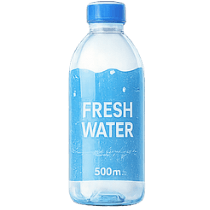
- Food packaging and beverage bottles
- Cosmetics and personal care
- Supplements and wellness products
- Flexible pouches
- Refrigerated or moist products
3. Clear Pressure Sensitive Labels: Best for the No-Label Look
Want the design to float on the glass with no visible label border? That is what clear film does. Printed on transparent material, it lets the container show through, so the artwork looks like it was applied straight onto the bottle. Shoppers read that as premium, plain and simple. It shines on smooth, clear surfaces where the product is meant to be seen. One fair warning: clear film hides nothing, so every stray bubble shows, and a clean application really matters here.
Best for:
- Glass jars and clear bottles
- Sauces and oils
- Skincare and beauty
- Premium beverages
4. White Film Labels: Best for Bold Colors and Strong Branding
White film is the durable-but-solid middle ground. You get the strength of plastic sitting on a bright white base, and that base makes your colors snap and your text stay razor sharp. Reach for it when you want bold branding and you do not need the packaging peeking through. Plenty of retail and health lines are built on exactly this.
Best for:
- Retail and food containers
- Plastic bottles
- Health and wellness products
- Personal care packaging
5. Metallic and Foil Labels: Best for Luxury Shelf Appeal
Some products have to look expensive before anyone reads a single word. Foil and metallic labels pull that off with a reflective shine no flat label can imitate. They cost more, and they would be overkill on a bag of rice. But on cosmetics, a perfume bottle, or something you would wrap up as a gift, they lift the whole package a notch. Think treats and presents, not everyday staples.
Best for:
- Cosmetics and perfumes
- Specialty foods
- Gift and seasonal products
- High-end supplements
6. Removable Labels: Best When the Label Should Come Off Cleanly
Sometimes a label is only meant to hang around for a while. Removable ones peel away with no gummy residue and no torn surface underneath. Built for the temporary stuff. If the label has to disappear later, whether you take it off or the customer does, this is the type to spell out up front.
Best for:
- Price tags and promo stickers
- Reusable jars and containers
- Seasonal or limited campaigns
- Retail offers and discounts
7. High-Tack Labels: Best for Difficult Surfaces
Every so often a surface flat out refuses to hold a label. Soft plastics, bumpy textures, tight curves, they all send ordinary labels curling at the corner within days. High-tack labels answer with a far stronger, grabbier glue built for these problem cases. If you have ever watched a label creep off a squeeze pouch or a ribbed bottle, this is the fix.
Best for:
- Low-energy plastics
- Flexible pouches
- Textured or rough containers
- Any surface where labels usually peel
8. Freezer-Grade and Moisture-Resistant Labels: Best for Cold or Wet Conditions
Freezers are brutal on labels. A frozen pack sweats as it thaws, and that thin film of moisture is all it takes for normal glue to quit and let go. Freezer-grade adhesive is formulated to stay clamped down through the cold and the condensation. For anything living in cold storage, treat this as a requirement, not a maybe.
Best for:
- Frozen food and seafood
- Refrigerated drinks
- Dairy products
- Cold-chain shipping
9. Tamper-Evident Pressure Sensitive Labels: Best for Safety and Trust
This one is about proof, not looks. A tamper-evident label shows an obvious sign if a package was opened before it reached the buyer. It tears, leaves a mark, or splits apart when peeled. Small features, big reassurance. On supplements, medicine, and sealed food, it tells the customer at a glance that nobody got there first.
Best for:
- Supplements and medicine
- Food safety seals
- Cosmetics
- High-value retail products
10. Sustainable Pressure Sensitive Labels: Best for Eco-Conscious Brands
More and more brands want the packaging to match what they stand for, right down to the label. The greener route uses recyclable facestocks, compostable films, and water-based inks. You still get a clean, professional finish, just with a lot less waste behind it. If your whole story is natural or responsible, a throwaway plastic label quietly undercuts the message.
Best for:
- Organic food brands
- Natural skincare and wellness
- Eco-friendly product lines
- Brands that want recyclable options
The Label Match Table: Which Label Does Your Product Need?
Here is the shortcut. Find your product on the left, read across.
| Product Type | Best Label Choice | Why It Works |
| Stand-up pouches | BOPP or high-tack film | Holds better on flexible packaging |
| Glass jars | Paper, clear, or premium film | Clean look with strong shelf appeal |
| Plastic bottles | BOPP or white film | Better durability and moisture resistance |
| Cosmetics | Clear, metallic, or soft-touch | Premium, high-end appearance |
| Supplements | BOPP, white film, or tamper-evident | Strong branding and buyer trust |
| Frozen food | Freezer-grade labels | Stays put in cold storage |
| Dry food boxes | Paper labels | Low cost with a clean finish |
| Oils and chemicals | Durable film labels | Resists oil, moisture, and handling |
Paper vs BOPP Labels: Which One Should You Choose?
This is the one people ask me about more than any other, so here is the honest, no-jargon version. It nearly always comes down to two things: moisture, and how much the product gets handled.
Lean paper when:
- The product stays dry
- Cost is your top priority
- You want that natural, craft feel
- Moisture is barely a factor
Lean BOPP when:
- Water, cold, or humidity are in play
- The label has to take a beating
- You want a slicker, more retail-ready finish
- Hands are on the product constantly
There is no trophy for a winner here. Paper wins on price and warmth. BOPP wins on grit and gloss. Fit it to the product and you have made the right call.
Adhesive Is the Real Hero: Permanent, Removable, High-Tack, or Freezer-Grade?
Everybody fusses over the printed side. Meanwhile the glue is quietly doing all the real work of staying attached. Quick rundown of what each type is for:
- Permanent sticks for good. The go-to for retail branding.
- Removable lifts off clean, made for anything temporary.
- Repositionable lets you peel and reset while you nail the placement.
- High-tack clamps onto stubborn surfaces like soft plastic and pouch film.
- Freezer-grade holds firm through cold and damp.
One more idea is worth thirty seconds, because it catches out a lot of first-timers: surface energy. Glass and metal are “high-energy,” which is a fancy way of saying glue loves them. Loads of soft plastics and pouch films are “low-energy,” and they basically shove the glue away. It is the reason one label death-grips a glass jar yet slowly abandons a plastic bottle. Low-energy plastic container? A high-tack adhesive is almost always your fix.
And here is the habit that quietly protects your budget:
Important: Test a real sample on your actual product, in the conditions it will actually face, before you commit to a big run. A label that behaves in the sample room can act like a stranger once it is on your real bottle at your real temperature.
Why Labels Fail: Peeling, Bubbling, Curling, and Wrinkling
When a label goes wrong, the cause is nearly always hiding in this short list. Catch it early and the headache never happens:
- Wrong glue for the surface
- Wrong material for moisture or cold
- Label sized wrong for the container’s shape
- Oil, dust, or coating left on the surface
- A squeezable or curved pack pulling at the edges
- Not enough pressure during application
- Wrong roll direction for the labeling machine
Strip it all down and it is the same root cause every time. The label was never matched to the real job in front of it.
Important: The surface has to be clean and dry before anything touches it. A little dust, grease, or moisture on the container is one of the sneakiest reasons labels lift, even when you picked the perfect label.
Custom Pressure Sensitive Labels vs Stock Labels: Which Is Better?
Stock labels come pre-made in fixed sizes and shapes, ready to buy today. Custom labels get built to your exact size, shape, material, and finish. Both have a job to do.
Stock does the trick when:
- You just need something basic and quick
- Size and design are not a big deal
- The product is not fighting for shelf space
Custom is worth it when:
- You need a precise size and shape
- Your branding genuinely matters
- The product has an awkward surface or storage demand
- You are running several products or SKUs
- You want that professional, considered look on shelf
If how your product looks and holds up in stores matters to you, custom usually earns back its small premium. You can lock in a custom size and shape that actually fits your container, rather than squeezing your design into whatever stock size sits closest. And every new SKU carries the same tidy, consistent look, which is how shoppers slowly start to recognize you.
How Pressure Sensitive Labels Work on Flexible Pouches
Pouches play by their own rules. A rigid bottle stays put; a pouch bends, slumps, and swells as it fills and gets tossed around. A label that sits flawless on glass can pucker or peel on a pouch the second you pick the wrong one.
Film labels like BOPP tend to win here, because they flex along with the pouch instead of resisting it. Certain pouch materials need high-tack glue just to survive the constant movement. And size is part of the puzzle, since the label should sit on the front panel and follow the pouch’s shape so the finished pack looks clean and shelf-ready. You will run into this a lot on stand-up pouches and the rest of the flexible packaging family.
A few little tricks go a long way on pouches. Keep the label on the flatter zones where you can, clear of the seams and gussets that flex the hardest. Round the label corners instead of leaving them sharp, since a sharp corner is the first thing to snag and start peeling. And always test on a filled pouch, never an empty one. A full pouch shows you the truth about how that label holds once the product is actually inside it.
Questions to Ask Before Ordering from Pressure Sensitive Label Manufacturers
A handful of good questions up front will spare you an expensive reprint down the line. Before you place the order, put these to your supplier:
- Which material actually suits my product’s surface?
- Paper, BOPP, clear film, or a specialty stock, which fits best?
- Which adhesive will genuinely hold on my packaging?
- Will it survive moisture, cold, heat, and daily handling?
- Can I get a custom size and shape?
- Which finish works for the brand: matte, gloss, laminate, soft-touch?
- Will you test the label on my real package first?
- Do you offer sustainable label options?
A supplier worth their salt answers every one of these without dodging, and steers you toward the right choice. If they just take the order and hang up, keep looking.
Why Choose Flexible Pouches for Custom Pressure Sensitive Labels?
At Flexible Pouches, custom pressure sensitive labels get built around your product, not squeezed out of a fixed template. That means custom printing, custom sizes and shapes, and a full spread of materials for whatever surface or storage situation you are dealing with.
The labels are made to grip properly and apply smoothly, by hand or down a machine line. Sustainable options are on the table for the brands that want them, and low order minimums let you start with the quantity you actually need instead of a pallet you do not. Not sure whether to go paper, BOPP, matte, or high-tack? The team helps you work it out around your product, not a sales script. Bottles, jars, containers, retail products, flexible pouches, the aim never changes: a label that fits and lasts.
Conclusion:
A good label was never really about the artwork alone. It rides on the surface it clings to, the shape of the container, where the product gets stored, and how it gets handled from shelf to shopping bag. The right pressure sensitive label lies flat, stays put, carries your brand, and guards that split-second first impression a customer makes.
So flip the usual order: product first, label second. Match the material, the glue, and the finish to the real world, not to the cheapest line on the quote. Do that, and the label ends up working every bit as hard as whatever you sealed inside it.
Ready to Find the Right Label for Your Product?
Your product deserves a label that was actually chosen for it. If you want labels that stay clean, hold like they should, and make the whole thing look its best on shelf, Flexible Pouches can sort it out. Request a free quote for custom pressure sensitive labels and get straight, useful guidance on the right material, finish, and adhesive for your product.
FAQs:
1. What is a pressure sensitive label?
It is a self-adhesive label that sticks the moment you press it onto a surface. No heat, no water, no wet glue. You peel it off the backing, position it, and press. That is the whole reason it is so fast and clean to use on almost anything.
2. Are pressure sensitive labels the same as self-adhesive labels?
Yes, same product, two names. “Pressure sensitive” tells you how it works, since pressure is what activates the stick. “Self-adhesive” just means the glue is already on there. Either way, you are talking about a peel-and-stick label.
3. What are the main types of pressure sensitive labels?
The usual suspects are paper, BOPP, clear, and white film. After that you have removable, high-tack, freezer-grade, tamper-evident, and sustainable versions. Each one suits a different product, surface, or storage situation, so the best pick always circles back to what you are selling.
4. Which pressure sensitive label is best for food packaging?
Depends on the food. Dry goods are happy with paper or film. Refrigerated and damp products do better on BOPP. Frozen food needs freezer-grade labels that hold in the cold. And flexible food pouches usually want film or high-tack labels.
5. Are BOPP labels better than paper labels?
Neither beats the other outright, they just do different jobs. BOPP handles moisture, cold, and handling far better and looks more polished. Paper is cheaper with a natural, craft feel. Go BOPP for durability, and paper for dry, budget-friendly products.
6. Can pressure sensitive labels be used on flexible pouches?
They can, but the type is everything. Because pouches bend and shift, film labels like BOPP usually outlast paper. Some pouch materials need high-tack glue to stay down. And the label size should follow the pouch shape for a clean finish.