

















When people think about food safety, they usually focus on ingredients, hygiene, or expiration dates. But one important factor is often ignored packaging on food. The material that holds your food can directly affect its safety, quality, and freshness.
Today, most food is stored, transported, and sold using different types of packaging. From plastic containers to flexible pouches, packaging plays a major role in protecting food. However, not all materials are equal. Some can create hidden risks if they are not chosen properly.
This is why understanding food safe packaging materials and overall food packaging safety is very important. The goal is not to fear packaging, but to use the right material for the right product. When done correctly, packaging protects food. When done wrong, it can affect health and quality.
Why Food Packaging Safety Deserves More Attention
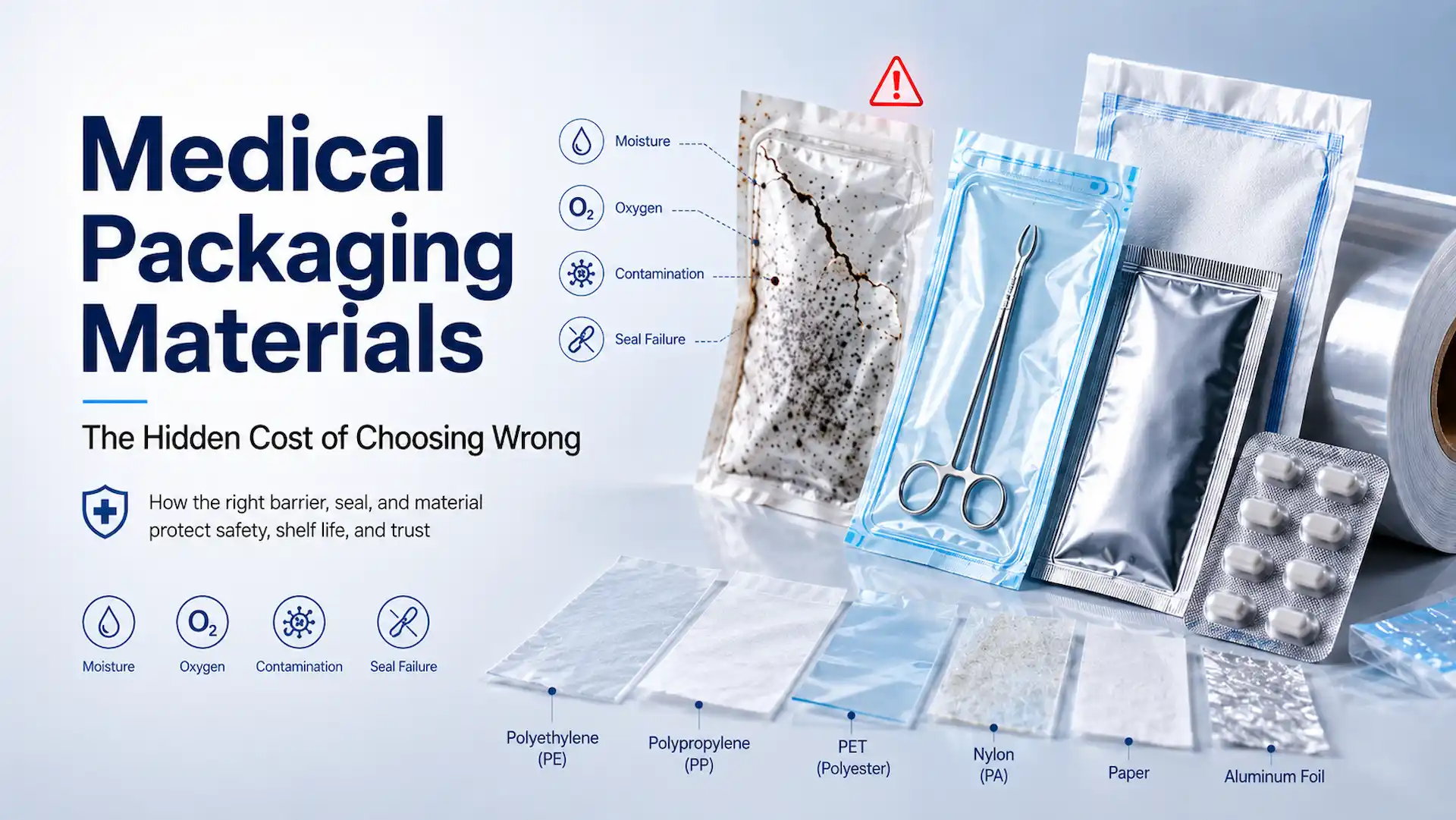
Packaging is not just about looks or branding. It is a critical part of the food system. It protects food from contamination, controls moisture, blocks oxygen, and keeps products fresh for longer periods.
Without proper packaging safety, many foods would spoil quickly or become unsafe to eat.
For example:
- Moisture can cause mold growth
- Oxygen can spoil food and reduce shelf life
- Light can damage nutrients and flavor
- Poor sealing can allow bacteria to enter
This shows that safe food packaging is essential. However, safety depends on using the correct material and structure for each type of food.
What Counts as Food Safe Packaging Materials?
Food safe packaging materials are materials that are approved and tested for direct contact with food. These materials are designed to ensure that they do not release harmful substances into the food under normal conditions.
Common materials include:
- Food-grade plastics
- Paper-based packaging with protective coatings
- Aluminum layers for high barrier protection
- Laminated films used in flexible packaging
- Sealants and adhesives that are safe for food contact
It is important to understand that “food safe” does not mean one material fits all. A material that is safe for dry snacks may not be safe for oily or hot foods. That is why choosing the right packaging depends on how the food behaves.
The Biggest Hidden Risks in Food Packaging
Even though packaging protects food, it can also create risks if not selected properly. These risks are often hidden and not visible to consumers.
1. Chemical Migration
One of the main concerns is chemical migration, where small amounts of substances move from packaging into food.
This can happen when:
- Food is stored for a long time
- Packaging is exposed to heat
- Food contains oil or acid
This is a key concern in plastic in food packaging and must be carefully managed.
2. Heat and Storage Conditions
Heat can change how packaging behaves. For example:
- Hot food in plastic containers can increase migration risk
- Microwaving unsuitable packaging can release unwanted compounds
This is why food in plastic containers safety depends on proper use.
3. Barrier Failure
If packaging does not provide enough protection, it can fail to block:
- Oxygen
- Moisture
- Light
This can lead to spoilage, loss of freshness, and reduced shelf life.
4. Wrong Material for the Product
Using the wrong packaging for a product is a common mistake.
For example:
- Using low barrier films for sensitive foods
- Packaging oily foods in unsuitable plastics
This is often seen in packaging foods with plastics without proper evaluation.
Why Some Foods Are More Sensitive Than Others
Not all foods react the same way with packaging. Some foods are more sensitive and require stronger protection.
Sensitive food types include:
- Fatty foods (like cheese, nuts)
- Acidic foods (like sauces, pickles)
- Dairy products
- Hot-filled or ready-to-eat meals
These foods can increase the interaction between packaging and content. That is why food packaging safety must consider the type of food being packed.
Is Plastic Always Unsafe? The Real Answer Brands Need
Many people believe that food packaged in plastic is always unsafe. This is not completely true.
Plastic is widely used because it offers:
- Strong sealing
- Flexibility
- Cost efficiency
- Good moisture protection
The real issue is not plastic itself, but how it is used.
Plastic can be safe when:
- It is food-grade certified
- It is used under correct conditions
- It matches the food type
Plastic becomes risky when:
- It is exposed to high heat
- It is reused incorrectly
- It is not designed for food contact
So, instead of asking “why is food packaged” in plastic, the better question is whether the correct plastic is being used properly.
The Role of High Barrier Food Packaging in Reducing Risk
High barrier food packaging is designed to protect food from external elements like oxygen, moisture, and light. This type of packaging plays a key role in reducing health risks and maintaining quality.
Benefits of high barrier packaging:
- Extends shelf life
- Prevents spoilage
- Maintains taste and freshness
- Reduces contamination risk
Materials used in high barrier packaging include:
- Metalized films
- Aluminum foil layers
- Multi-layer laminated structures
These materials are especially useful for products that need long shelf life or strong protection.
Common Food Packaging Problems and Solutions
Poor material choice and weak barrier protection can reduce food safety and shelf life.The solution is using the right packaging based on product needs and proper testing.
Common Problems:
- Choosing packaging based on cost only
- Using low barrier materials for sensitive foods
- Ignoring shelf life requirements
- Not testing packaging before launch
- Poor sealing and weak structure
Practical Solutions:
- Match packaging with product type
- Use high barrier structures where needed
- Test packaging under real conditions
- Work with experienced packaging providers
- Focus on long-term quality, not just cost
Understanding food packaging problems and solutions helps brands avoid costly mistakes and protect consumers.
How Flexible Pouches Approach Food Packaging Safety
Flexible packaging companies like Flexible Pouches focus on creating customized solutions based on product needs.
They offer:
- FDA-grade food safe packaging materials
- High barrier packaging options
- Recyclable and eco-friendly materials
- Custom pouch structures for different food types
- Retort packaging for heat-processed foods
Their approach is simple choose the right material based on the product, not just the appearance. This improves both packaging safety and product quality.
How to Choose Safer Packaging for Your Product
Choosing the right packaging is a step-by-step process.
Key factors to consider:
- Type of food (dry, oily, acidic, hot)
- Shelf life requirements
- Storage conditions (temperature, humidity)
- Barrier needs (oxygen, moisture, light)
- Material safety and certification
Best practices:
- Always test packaging before scaling
- Avoid using generic materials for all products
- Work with packaging experts
- Prioritize safety over short-term savings
This approach ensures better food packaging safety and long-term success.
The Future of Safe Food Packaging
Food packaging is evolving quickly. Brands and consumers are becoming more aware of health and environmental impact.
Future trends include:
- Safer and more tested materials
- Reduced chemical exposure
- Growth of recyclable packaging
- Development of biodegradable options
- Smarter packaging technologies
The goal is to create packaging that protects both food and health without harming the environment.
Conclusion
Food packaging is more than just a container. It is an essential part of food safety. The right packaging protects food, extends shelf life, and maintains quality. The wrong packaging can create hidden risks.
Understanding food safe packaging materials, choosing the correct structure, and focusing on real product needs are the keys to safer packaging. Instead of avoiding packaging, the focus should be on improving it.
Build Packaging That Fits Your Product
Ready to create packaging that looks right, protects your product, and matches your exact specifications? Submit your order request to get expert support on pouch style, material, finish, quantity, and custom features tailored to your brand.
Request your custom quote today and take the next step with confidence.
FAQs
1. What are food safe packaging materials?
Food safe packaging materials are specially designed materials that do not release harmful substances into food. They are tested and approved for safe food contact.
2 .Is food packaged in plastic unsafe?
Not always. Food-grade plastics are safe when used correctly. Problems occur when low-quality or unsuitable plastics are used improperly.
3. What is high barrier food packaging?
High barrier packaging protects food from oxygen, moisture, and light. It helps extend shelf life and maintain food quality.
4. Why is food packaging safety important?
Packaging safety ensures that food remains fresh, uncontaminated, and safe to consume throughout its shelf life.
5. Can packaging affect food quality?
Yes, poor packaging can lead to spoilage, loss of flavor, and contamination. Good packaging helps maintain freshness and quality.
6. How do I choose safe packaging for my food product?
You should consider food type, storage conditions, and shelf life. Always choose certified materials and test packaging before use.