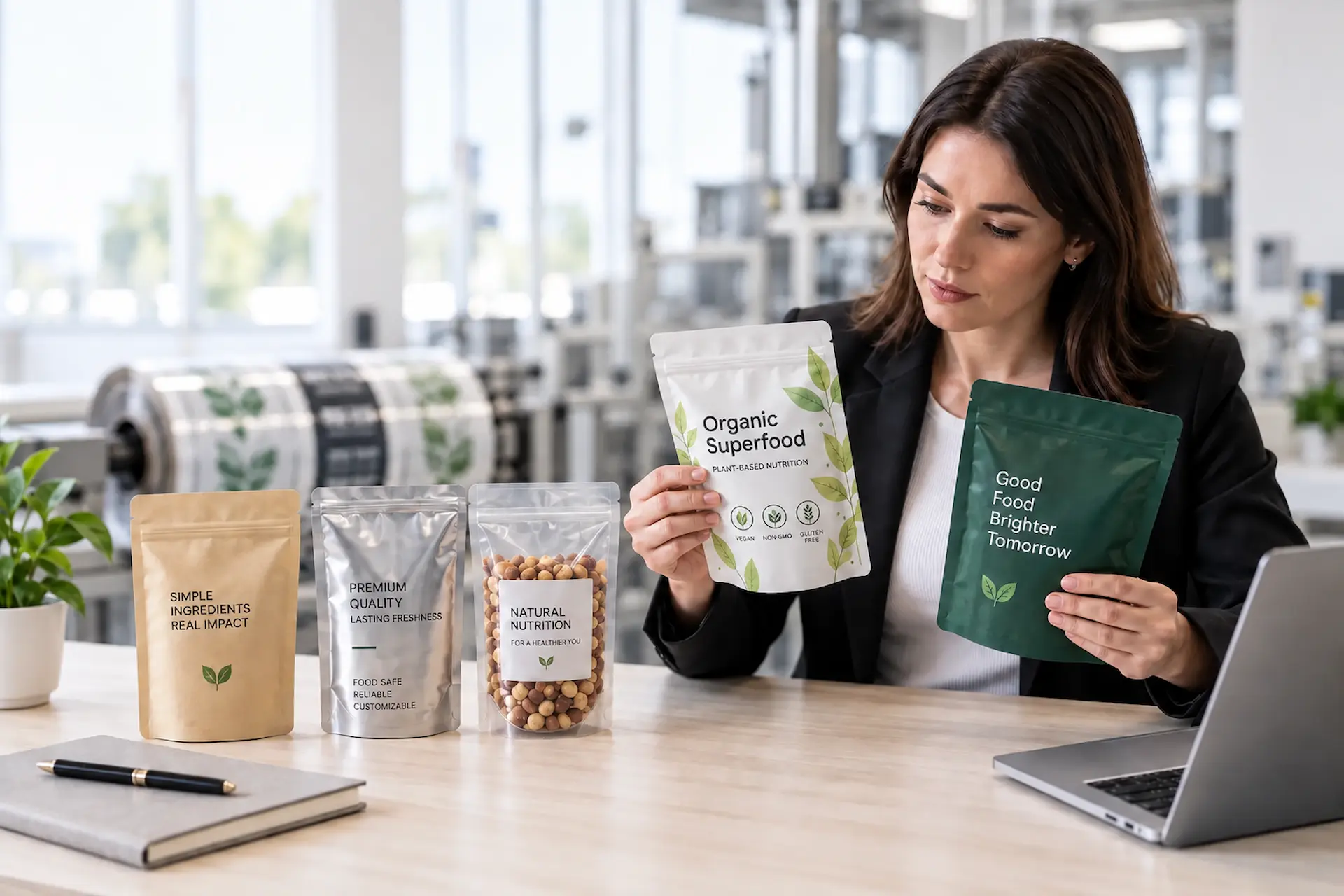










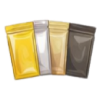







Packaging stopped being a box that holds a thing quite a while ago. In 2026 it carries shelf appeal, keeps products fresh, earns customer trust, answers sustainability questions, and has to survive a delivery network on top of all that. It has quietly become one of the strongest pieces of brand identity a business owns, which explains why so many of them are watching packaging trends this closely.
For food, beverage and retail brands the pressure sits higher again. Shoppers form a judgement in seconds and rarely revisit it. The product packaging trends and packaging design trends that matter this year are the ones helping brands win that moment, protect what is inside, and look like themselves in a very crowded market. Here is what is actually moving.
Why Packaging Trends Matter More in 2026
A lot has landed on packaging at once. Customers ask for more, retailers push for more, and new rules keep arriving. People want a pack that looks decent, opens without a fight, and can genuinely be recycled. Retailers want something that sells in a store and still survives a delivery truck. Holding all of that together in one structure is the real reason these trends carry weight.
Packaging also speaks before anything else does. A shopper has an opinion locked in before the product is opened. On a crammed shelf, or a phone screen somebody is thumbing past, you get a moment, and that moment has to do double duty. Look good, and keep the contents fresh and worth the money.
What’s driving the shift:
- The pack makes a first impression before the product is tasted or used
- Store shelves and online listings are more crowded than they have ever been
- Shoppers go for packaging that is practical, attractive, and easy to recycle
- Brands still need freshness and protection without dropping the premium feel
The research keeps landing on the same handful of themes: sustainability, recyclable materials, biodegradable options, smart food packaging, and traceability. None of these are talking points anymore. They sit in the planning stage for any brand paying attention.
What Changed from Packaging Trends 2025 to Packaging Trends 2026
A quick look back makes this clearer. The packaging trends 2025 conversation was mostly about looking modern and eco-friendly. This year the tone moved toward proof. Brands want packaging that holds up, follows the rules where they apply, recycles when it can, and is honestly tough enough to protect what is inside.
Short version: 2025 cared how things looked. 2026 cares whether they work.
| Focus Area | Packaging Trends 2025 | Packaging Trends 2026 |
| Sustainability | Visual eco-friendly claims | Verified, responsible materials |
| Design | Minimalism and clean branding | Performance, clarity, traceability |
| Product Safety | Basic protection | Stronger freshness and shelf life |
| Customer Need | Looks attractive | Practical, convenient, trustworthy |
A good chunk of the food packaging design trends from 2025 still works fine. What is different is that food and beverage brands now lean harder on freshness, convenience, and materials they can defend when somebody asks questions.
1. Sustainability Becomes a Business Requirement, Not a Marketing Add-On
Sustainability comes up in nearly every packaging conversation now, so it is the right place to start. The leaf-on-the-back-of-the-pack era is over. People want evidence of real effort, and a fair number of them quietly switch brands when the eco-claims ring hollow.
Where brands are spending their energy:
- Recyclable packaging that matches the bins people actually have access to
- Compostable and biodegradable options
- Cutting waste out at the design stage rather than after
- Lighter formats that use less material per unit
- Plain detail about what the packaging is made from
- Dropping the fuzzy “green” wording nobody can verify
Flexible Pouches offers recyclable pouch options, and its mono-material recyclable films are made to conform to How2Recycle guidelines. That kind of straight answer about materials is what earns trust with a 2026 shopper.
Important Note: The EU Packaging and Packaging Waste Regulation applies from August 2026. It targets unnecessary packaging waste, backs reuse and refill, and pushes hard on recyclability. If you sell anywhere near those markets, check where your current structures stand against it.
2. Recyclable and Mono-Material Flexible Packaging Gains More Demand
Right alongside that comes the steady climb of recyclable flexible pouches. More brands are stepping away from heavy rigid containers, and the reasons are grounded rather than idealistic. Pouches weigh less, ship cheaper, and eat far less storage space. Get the material right and they recycle too.
The material is the whole ballgame here. Mono-material pouches, built from one plastic family, are far easier to recycle than packs made of layers that have to be separated first.
Why it keeps growing:
- Single-material builds make recycling cleaner and simpler
- Recyclability rides on both the material and the local recycling setup
- These pouches suit snacks, coffee, pet food, wellness products, and retail goods
- A supplier who understands material performance gets you a better result
The flexible packaging story in 2026 keeps returning to mono-material designs, smarter barriers, and packaging that respects sustainability without throwing food safety under the bus.
3. High-Barrier Packaging Protects Freshness, Flavor, and Product Quality
A beautiful pouch counts for nothing if the snack inside goes stale by week two. That is the entire argument for high-barrier packaging, and it lands hardest on food and beverage brands. These films keep out the things that slowly wreck a product.
Why Barrier Protection Matters for Food Brands
Food is fragile. Flavor fades, freshness slips, and safety drops the moment moisture, oxygen or light works its way in. A high-barrier film acts as a shield, holding moisture and oxygen out while keeping aroma locked in. You get longer shelf life and a product that is still safe to eat at the end of it.
How High-Barrier Films Help Beverage, Coffee, and Powder Products
Coffee, tea, drink mixes, powders and supplements are all picky. They clump, lose their aroma, or turn faster than most foods. Strong barrier pouches keep them in shape from the production line to somebody’s kitchen counter.
Why Product Protection Is Also Brand Protection
Open a stale or damaged product and you blame the brand, not the bag. Protect freshness and you protect your name. Flexible Pouches points to high-barrier films and food-contact-safe materials as core strengths of its custom pouches, which lines up with the more sensitive food and drink categories.
4. Custom Printed Pouches Become a Stronger Branding Tool
Packaging carries a brand’s personality now, and custom printed pouches sit at the heart of that. A custom pouch hands you room to tell your story, show some character, and look nothing like the product parked beside you on the shelf. It is one of the clearest packaging design trends going into 2026.
What custom printing helps with:
- Full custom artwork matched to your identity
- Front and back printing for more shelf presence
- Easier to spot in a busy aisle
- Room for actual brand storytelling
- Clear daylight between you and competitors
- Seasonal or limited-edition runs
Flexible Pouches lets brands customize printing, sizing, materials, finishes, windows, metallic effects, zippers, degas valves, pour spouts, and even custom shapes. That much control gives brands real room to put fresh innovation in packaging design and sharp trends in packaging design onto their own products.
5. Minimal, Clear, and Trust-Building Packaging Design Wins Attention
Loud designs catch eyes, no argument there, but plenty of brands win by keeping it clean. Modern packaging design has a job beyond looking nice. It has to help a shopper understand the product fast, because a confused shopper usually just keeps walking.
Clear Front-of-Pack Messaging
The front should answer one question quickly: what is this, and why should I care? A readable name, an obvious benefit, a simple claim, and people decide in a couple of seconds.
Simple Layouts with Strong Brand Recognition
Clean layouts with solid color contrast are easy to find on a shelf. Trim the clutter off the front panel and the spotlight stays where it belongs, on the brand and the product.
Design That Builds Trust Before Purchase
Honest sustainability wording and clear product details do a lot of quiet work. When a brand reads as open and simple, people feel safer buying it.
6. Premium Finishes Create Better Shelf Appeal
How a pouch feels in the hand shifts how much somebody thinks it is worth. Premium finishes are a big slice of packaging design trend news this year, because they make products look high-end without dragging you into a high-end budget.
A few of the popular ones:
| Finish Type | Look and Feel | Best For |
| Matte | Soft, modern, low glare | Premium and natural brands |
| Soft-Touch Matte | Smooth, velvet-like feel | Luxury and wellness products |
| Gloss | Shiny, bright, eye-catching | Snacks and bold brands |
| Metallic Effects | Reflective, premium shine | Coffee, treats, gifting |
| Transparent Window | Shows the real product | Snacks, grains, pet food |
| Kraft Paper Look | Natural, eco-friendly feel | Organic and clean-label goods |
Flexible Pouches can produce matte, soft-touch matte and gloss finishes, plus window knockouts and metallic effects depending on the pouch material. These choices open up new and improved packaging that feels fresh and a touch more premium on the shelf.
7. Convenience Features Become a Major Part of Product Packaging Trends
People remember a pack that fought them. A zipper that will not shut, a bag that tears the wrong way, a spout that dribbles down the side. All of it sticks. So convenience features are now a real part of product packaging trends rather than an afterthought bolted on at the end.
Features brands keep adding:
- Zip closures for easy resealing
- Tear notches for a clean open
- Rounded corners for a softer, premium look
- Hang holes for retail display
- Handles for the bigger formats
- Pour spouts for liquids and powders
- Degas valves for fresh coffee
- Flat bottom pouches that stand tall on shelves
- Stand-up pouches for display and storage
Flexible Pouches offers zip closures, degas valves, pour spouts, hang holes, handles, tear notches, rounded corners and custom shapes. These small touches often decide whether somebody buys the thing a second time.
8. Smart Packaging Turns the Package into a Digital Touchpoint
Smart packaging is one of the more interesting moves in 2026. One scan and the pack opens a whole digital layer behind it. Pull it off well and the brand comes across as modern, helpful, and worth trusting.
QR Codes for Product Education
A QR code can carry product origin, how-to-use guides, recipes and recycling instructions. That extra layer gives customers more, and it helps them use the product properly.
Connected Packaging for Customer Engagement
Brands can link straight to loyalty programs, social pages and reviews. That is how a one-time buyer turns into a regular one.
Smart Labels for Transparency and Trust
Smart labels support batch traceability and product authentication, which matters enormously for food safety and for shutting counterfeits down. Connected packaging, QR scanning and traceability tools keep appearing as major 2026 developments, mostly around transparency and engagement.
9. Digital Printing Supports Faster Product Launches and Smaller Runs
Digital printing changed the math for small and growing brands. It makes printing fast, affordable and flexible, which helps enormously when you want to test an idea without burying a fortune in it first.
What it makes possible:
- Quicker design updates
- Seasonal packaging swaps
- Several SKUs in a single order
- Small test runs before scaling up
- Limited-edition campaigns
- Less risk ahead of a big spend
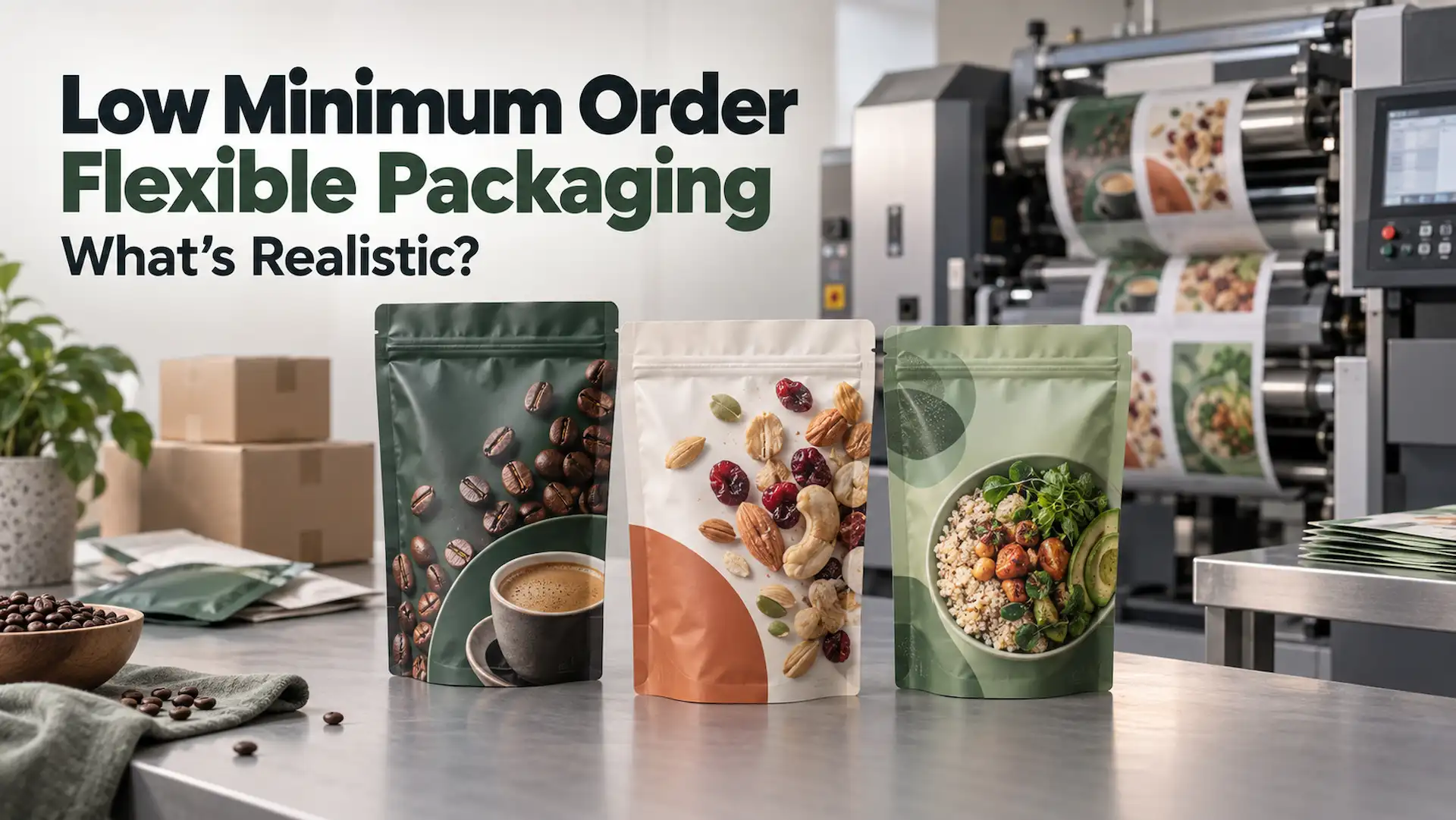
Flexible Pouches offers low minimums, with custom printed stand-up and flat pouches starting at 1,000 bags. Many orders can also be split across multiple SKUs as long as they share the same dieline. That makes current packaging far easier to manage for startups and mid-sized brands chasing new and improved packaging.
10. Food Packaging Design Trends Focus on Freshness, Safety, and Transparency
Food brands play by their own rules, and the food packaging design trends of 2026 show it. The push is toward freshness, safety, and being honest about what is in the pack.
Where food packaging is heading:
- Snack packaging that stays fresh and crunchy
- Coffee and tea packaging with strong aroma protection
- Dry food packaging with proper moisture control
- Pet food packaging that is sturdy and easy to reseal
- Health and wellness packaging with a clean, simple look
- Resealable formats for products people open again and again
Plenty of food packaging design trends 2025 still hold, but in 2026 brands lean harder on freshness, transparency, and materials they can stand behind.
11. Beverage Packaging Trends Focus on Portability, Premium Feel, and Functionality
Beverage products, powders and drink mixes included, carry their own set of needs. The current beverage packaging trends are about being easy to carry, feeling premium, and working in everyday use.
What matters most for beverage packaging:
- Strong barriers for powders and mixes
- Pourable formats and spouts for easy use
- Convenient shapes that store well
- Premium finishes for a higher-end look
- Resealable options for repeat use
Some of the top innovations in beverage packaging 2025, like connected labels and convenient formats, are getting more practical and performance-focused this year. Brands want packs that look great and hold up in real life, not only in a product photo.
12. Retail Brands Use Packaging as a Stronger Marketing Channel
For retail brands, packaging is the salesperson who never clocks out. It works in the store, on the website, and at home during the unboxing. The sharper brands treat it as a marketing channel in its own right.
Packaging That Works on Shelves
Shelf-ready design and a premium look help a product get noticed among dozens of rivals. Strong packaging earns the glance before anything else can.
Packaging That Looks Good Online
E-commerce rewrote the rules. Packaging has to photograph well now, and it has to give online buyers an unboxing moment that lands.
Packaging That Supports Brand Recall
Consistent branding across every SKU helps people remember you and trust you. When a whole range looks unified, the brand reads as more professional than it may even be.
13. Innovation in Packaging Design Is Moving Toward Practical Performance
It is easy to picture innovation as wild shapes and neon colors. The real innovation in packaging design in 2026 is quieter than that. It is packaging that performs better across the board.
Today’s innovation is centered on:
- Better materials and genuine recyclability
- Cleaner printing and stronger seals
- Longer shelf life
- A smoother experience for the customer
- More support for compliance
The honest version: meaningful innovation is less about looking different and more about doing the job better, from protection and selling power through to shipping and sustainability.
14. Common Packaging Mistakes Brands Should Avoid in 2026
Even strong brands trip over packaging. Knowing the usual mistakes saves money, time and a fair chunk of goodwill. These are the ones worth watching.
- Chasing packaging trends without checking what the product actually needs
- Picking weak materials for sensitive food products
- Leaning on unclear or unproven sustainability claims
- Cramming too much text onto the design
- Overlooking shelf visibility and standout appeal
- Forgetting resealability and everyday usability
- Choosing packaging that looks great but cannot keep things fresh
- Skipping the early checks on minimum order quantity, lead time and artwork rules
Important Note: Confirm material performance, minimum order quantity and artwork requirements before you commit to anything. Sorting these out early saves real money and spares you the delays that always arrive later.
15. How to Choose the Right Packaging Trend for Your Product
With this many trends in circulation, knowing where to start is half the battle. The trick is matching the trend to your product and your goals rather than chasing whatever is loudest. Not every trend belongs on every shelf.
Run through these first:
- What kind of product am I packaging?
- How sensitive is it to moisture and oxygen?
- What shelf life do I actually need?
- Am I selling mostly in stores or online?
- Where does my brand sit, premium or everyday?
- What are my sustainability goals?
- What is my budget and minimum order quantity?
- How complex is my design?
- Which pouch features do I genuinely need?
- What is my launch timeline?
Work through those and the right materials, finishes and features start falling into place on their own.
Need help choosing the right pouch style, material or finish for your product? Flexible Pouches can help you create custom printed packaging that fits your product, your brand and your launch goals.
Conclusion
The strongest packaging trends in 2026 are about more than good looks. They are about packaging that is sustainable, functional, protective, convenient, and ready for the way people actually shop now. The brands coming out ahead are pairing real beauty with real performance.
Your packaging speaks for your brand, so it is worth making it clear and confident. Follow the trends that genuinely fit you, dodge the common mistakes, and you end up with packaging that protects the product and helps the business grow.
Ready to Upgrade Your Packaging? Let’s Make It Happen
Whether you are launching a new food product, refreshing a beverage brand, or upgrading your retail packaging, custom flexible pouches can help your product stand out while supporting freshness, usability and brand growth.
FAQs
- What are the biggest packaging trends in 2026?
The big ones are sustainable and recyclable packaging, high-barrier films for freshness, smart packaging with QR codes, premium finishes, and practical features like zip closures and pour spouts. The thread tying them together is proven performance rather than appearance alone.
- Why are packaging design trends important for food and beverage brands?
They help these brands grab attention, build trust, and keep products safe. Good design makes a product easy to understand on a shelf, while strong materials keep it fresh. Together that means more sales and more repeat buyers.
- What changed from packaging trends 2025 to packaging trends 2026?
In 2025 the focus was mostly visual: eco-friendly designs and minimalism. In 2026 it moved toward verified materials, real recyclability, freshness protection and traceability. The shift is from how packaging looks to how well it performs.
- Are recyclable pouches a good choice for food packaging?
For a lot of products, yes. They weigh less than rigid containers, cost less to ship, and store easily. Built from mono-material structures they are simpler to recycle too, provided your local system accepts them.
- How can custom printed pouches improve shelf appeal?
They let you use full artwork, bold colors, premium finishes and clear branding. That helps your product stand out in a packed aisle and look more professional. Strong shelf appeal is often what makes somebody pick you over a competitor.
- What packaging features help keep products fresh?
High-barrier films matter most, since they block moisture, oxygen and light. Resealable zip closures, degas valves for coffee, and food-contact-safe materials all help protect flavor and stretch out shelf life.