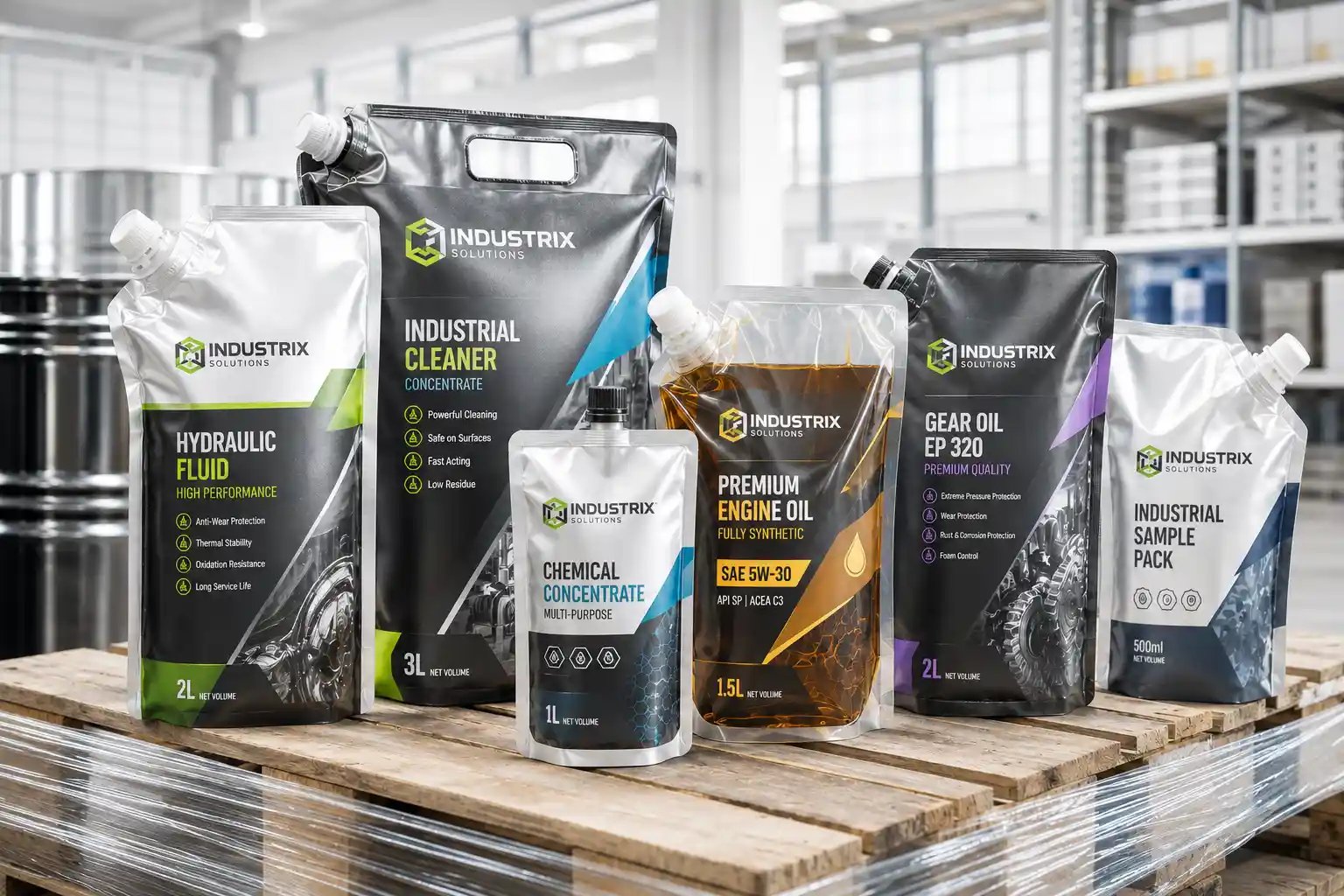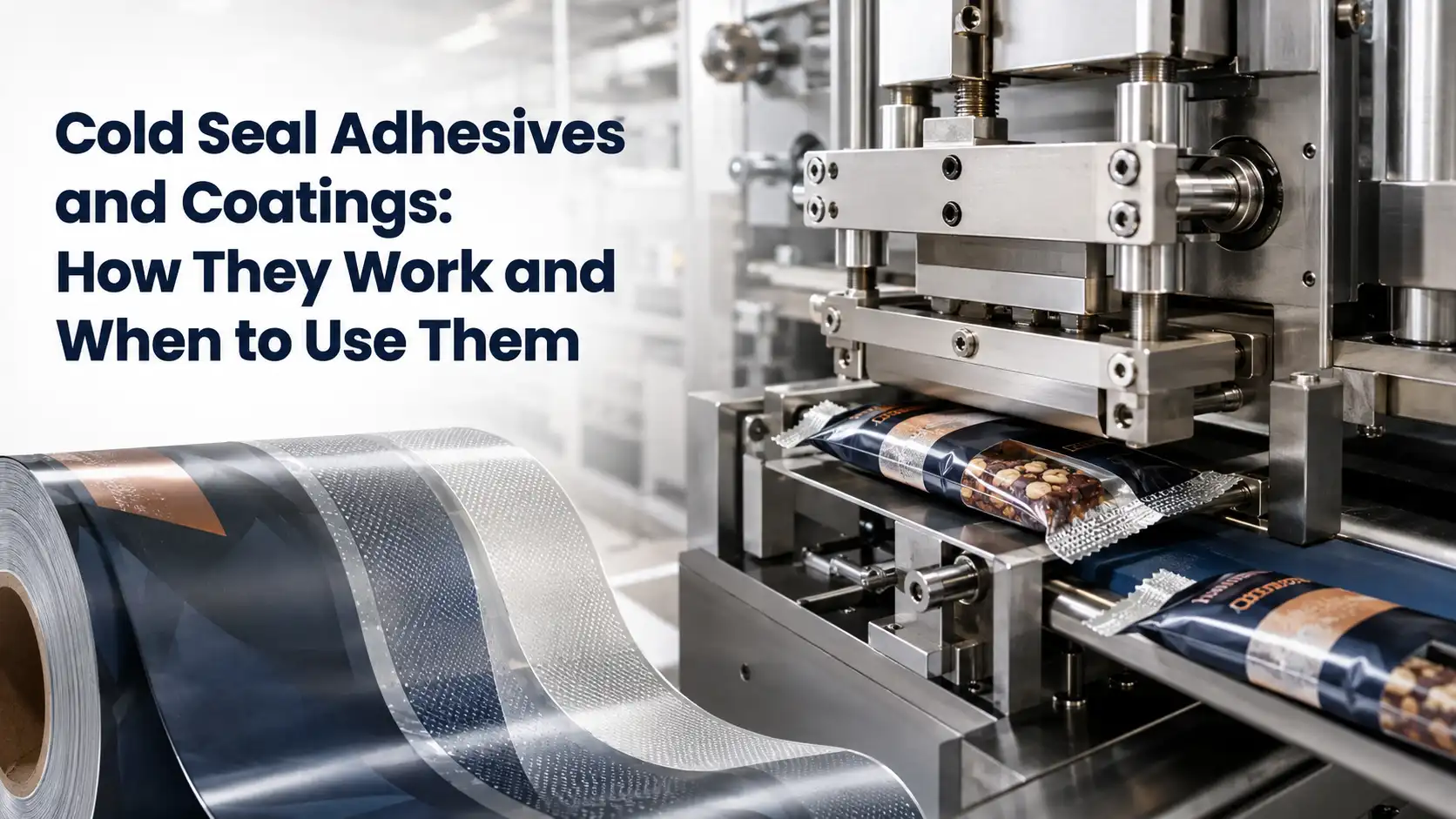

























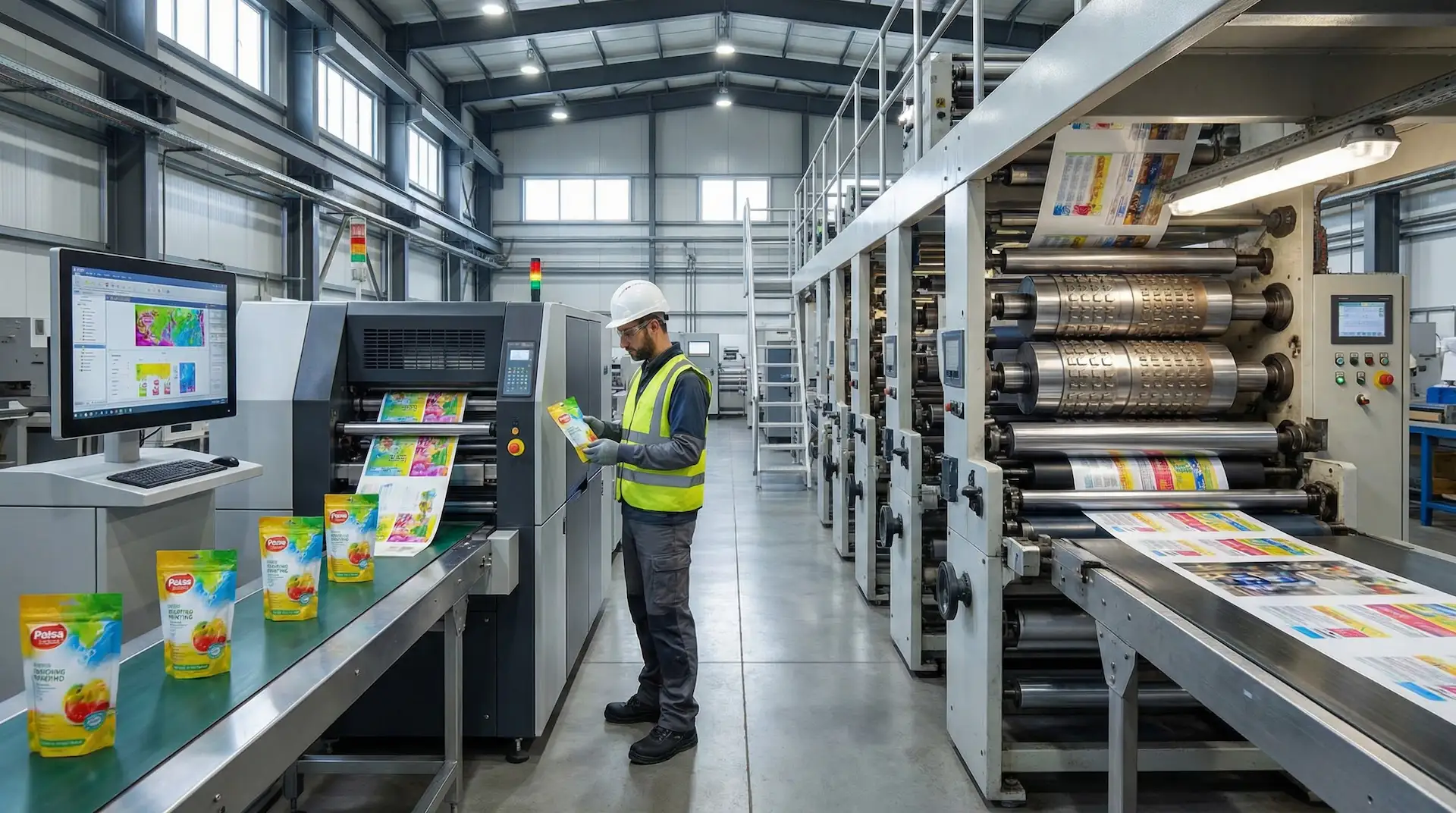
Choosing the right printing method is one of the most important decisions in packaging. The quality of your print affects your brand image, product appeal, and overall cost. When comparing digital printing vs conventional printing, many businesses feel confused about which option is better.
Both methods are widely used in the packaging industry. However, they work differently and are suitable for different needs. In this guide, we will clearly explain the differences, benefits, limitations, and best use cases for each method — especially for digital printed pouches, digital pouch printing, and stand up pouch digital printing.
Understanding Digital Printing in Flexible Packaging
Digital printing is a modern printing method that prints designs directly from a computer file onto packaging material. It does not use printing plates or cylinders. This means setup is faster and more flexible.
In flexible packaging, digital printing pouches are created by directly transferring ink onto the pouch material. This allows high-quality images, sharp text, and vibrant colors.
Digital printing is ideal for:
- Digital printed stand up pouches
- Custom food packaging
- Short production runs
- Multiple design variations
You can explore professional digital pouch printing solutions:
Because there are no plate costs, digital printing allows brands to test products, launch seasonal packaging, and update designs quickly.
Understanding Traditional (Conventional) Printing
Traditional printing, also called conventional printing, includes flexographic, rotogravure, and offset printing. These methods use printing plates or engraved cylinders to transfer ink onto packaging material.
The setup process takes longer because plates must be created before production begins. This increases upfront costs but becomes cost-effective when printing very large quantities.
Conventional printing has been used in packaging for decades and remains popular for mass production.
Digital Printing vs Conventional Printing: Key Differences
Here are the main differences between the two methods:
| Feature | Digital Printing | Conventional Printing |
| Setup Time | Very Fast | Longer |
| Plate Requirement | No | Yes |
| Minimum Order Quantity | Low | High |
| Cost for Small Runs | Lower | Higher |
| Cost for Large Runs | Higher | Lower |
| Design Changes | Easy | Expensive |
| Variable Data | Yes | Limited |
| Ideal For | Short & medium runs | Long runs |
Understanding these differences helps businesses choose wisely.
Cost Comparison: Which One Saves More Money?
Cost depends mainly on order quantity.
Digital printing has:
- No plate fees
- Lower initial investment
- Lower risk for small orders
It is perfect for startups and growing brands that want flexibility.
Conventional printing has:
- Higher setup cost
- Lower per-unit cost for bulk orders
For example, if you are printing hundreds of thousands of pouches, conventional printing may reduce your cost per pouch significantly.
The smart decision depends on your production volume.
Advantages of Digital Printing
1. Fast Turnaround
Because no plates are required, printing starts quickly. This helps brands meet tight deadlines.
2. Low Minimum Orders
Digital pouch printing supports smaller quantities, making it easier for new brands to enter the market.
3. High Print Quality
Modern digital presses produce sharp images, gradients, and photo-quality designs.
4. Multiple SKU Printing
You can print different designs in one run. This is perfect for product variations like flavors.
5. Reduced Waste
Less setup means less wasted material, supporting sustainability goals.
Advantages of Conventional Printing
1. Best for Large Volumes
For very high quantities, conventional printing offers lower cost per unit.
2. Strong Color Matching
It can achieve consistent brand colors across large batches.
3. Special Finishes
Metallic inks, coatings, and embossing are easier with traditional methods.
4. Production Stability
Once running, conventional printing maintains consistent output for long runs.
Limitations of Digital Printing
While digital printing is flexible, it has some limitations:
1. Higher Cost for Large Runs
If your order volume is extremely high, digital printing may become more expensive per unit compared to conventional printing.
2. Limited Special Effects
Advanced finishes like heavy embossing, certain metallic inks, or complex coatings may not always be available with digital printing.
3. Material Compatibility
Some thick laminates or specialty materials may not work on all digital presses.
4. Speed at Very High Volumes
For massive production quantities, conventional presses can sometimes produce faster overall output.
5. Ink Layer Limitations
In certain cases, digital inks may not provide the same thickness or texture effects as traditional ink systems.
Limitations of Conventional Printing
Traditional printing also has important drawbacks:
1. High Plate and Cylinder Costs
Each design requires plates, which increase setup expenses.
2. Long Setup Time
Creating plates and preparing the press takes time, which can delay product launches.
3. High Minimum Order Quantity
Small orders become expensive because setup costs must be covered.
4. Difficult Design Changes
If you want to change one small detail, new plates may be required.
5. Higher Waste
Setup waste can be significant, especially during color matching.
6. Inventory Risk
Because large volumes are required, brands may produce more packaging than needed.
Use Cases: When to Choose Each Method
Choosing the right method depends on your business goals.
Choose Digital Printing If:
- You need short or medium runs
- You are launching a new product
- You want to test different designs
- You have multiple SKUs
- You need quick turnaround
- You want customized or personalized packaging
For example, many brands choose digital printed stand up pouches when launching limited edition snacks or new coffee blends.
Choose Conventional Printing If:
- You require very large quantities
- Your design stays the same for long periods
- You need specialty finishes
- Your focus is lowest possible cost per unit at scale
- You are supplying major retailers with stable packaging demand
Understanding your production size and business plan will help you decide.
Common Mistakes Businesses Make
Many companies make avoidable mistakes when comparing digital printing vs conventional printing.
1. Looking Only at Unit Price
Some buyers only compare cost per pouch without calculating setup fees and waste.
2. Ignoring Future Growth
A brand may start small but plan to scale. Choosing the wrong method early can cause future issues.
3. Not Considering Lead Time
If you need packaging quickly, traditional printing may delay your launch.
4. Ordering Too Much Inventory
Large conventional runs can create excess stock if sales forecasts are wrong.
5. Overlooking Design Complexity
Complex graphics often perform better with digital printing. Careful planning avoids these problems.
Future Trends in Packaging Printing
The packaging industry is changing fast.
1. Growth of Digital Printing
More brands are shifting toward digital printing because of flexibility and faster production.
2. Hybrid Printing Systems
Some manufacturers now combine digital and conventional methods for better efficiency.
3. Smart Packaging
QR codes, serialized labels, and interactive packaging are increasing.
4. Sustainable Solutions
Eco-friendly inks and recyclable materials are becoming industry standards.
5. Shorter Product Life Cycles
Products change more frequently today. Digital printing supports fast design updates.
Digital printing continues to grow, especially in digital printed pouches and flexible packaging markets.
Conclusion
Both digital and traditional printing have their advantages. Digital printing is ideal for short runs, multiple SKUs, and fast turnaround, while conventional printing works best for large volumes and special finishes. Choosing the right method depends on your order size, timeline, and design needs.
The right printing choice ensures high-quality packaging, strengthens your brand, and reduces waste. By selecting the method that fits your goals, you can save costs, maintain flexibility, and deliver attractive packaging that appeals to customers.
Get quotation, If you are looking for high-quality digital printing pouches and customized packaging solutions
FAQs
Q1: Is digital printing better than conventional printing?
Digital printing is ideal for small to medium runs and fast turnaround, while conventional printing works better for very large orders.
Q2: What is the minimum order for digital pouch printing?
Digital printing supports low minimum orders, making it perfect for startups, seasonal products, and limited editions.
Q3: Can digital printing handle stand up pouch digital printing?
Yes, it delivers sharp graphics, vibrant colors, and allows multiple SKUs to be printed in the same batch.
Q4: Which method is more eco-friendly?
Digital printing generates less setup waste and overproduction, making it more eco-friendly for short and medium runs.
Q5: Which option is cheaper for large quantities?
Conventional printing usually offers a lower cost per unit for very high-volume production runs.