






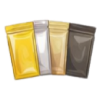






Packaging is the first thing a customer notices about your product, and usually the only thing they judge before buying. A bag that slumps sideways or feels flimsy in the hand says something about the product inside, fairly or not. That is why so many brands have moved to flat bottom bags, also known as box pouches.
A flat bottom bag is a flexible pouch with a genuinely flat base. It stands square on a shelf, looks closer to a carton than a bag, and gives you far more surface to work with. Coffee, pet food, snacks, supplements: the format suits all of them, and it makes a small brand look considerably more established than it might be. This guide covers the structure, the benefits, what you can customize, what it costs, and how to order your first run.
What is a Flat Bottom Bag?
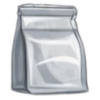
A flat bottom bag is flexible packaging with a firm, flat base once it is filled. A standard stand-up pouch folds a single gusset into the bottom. A flat bottom bag uses three separate webs of film instead, which is what creates the boxy shape.
The three parts of its construction are:
- Front and Back Panel: the main faces that carry your branding
- Side Panels (Gussets): two side panels giving the bag its width and volume
- Bottom Panel: a flat, separate piece forming the stable base
That construction creates five printable panels: front, back, two sides, and the bottom. It also creates a lot more seals than a stand-up pouch, which is where the alternative name comes from.
Flat bottom bags go by several names: box pouch, block bottom bag, square bottom bag, or eight-seal bag. That last one is the most literal, since the format carries eight seal lines rather than the three or four on a simpler pouch. All the names describe the same premium flexible format.
Key Benefits of Flat Bottom Bag Packaging
Six things keep brands coming back to this format, and only two of them are about looks.
1- Superior Shelf Stability
A completely flat base means the bag stands square without leaning, half full or nearly empty. Rows of them look ordered on a shelf, which retail buyers notice even when shoppers do not.
2- Maximum Branding Space
Five printable panels gives you room most formats cannot match. Worth being realistic about the bottom panel though. Nobody sees it in store, so it is better used for certifications, batch information or a short brand story than for anything you need read before purchase.
3- Premium, Box-Like Appearance
The squared structure reads as a carton rather than a bag. That shifts how people judge the product before they have touched it, and it is the main reason specialty brands pay the premium.
4- Better Fill Volume with Less Film
The boxy shape uses its volume efficiently, so you often fit more product into a pack that uses no more material than a comparable stand-up pouch. Lower material cost, lower shipping weight.
5- Easy to Fill, Open, and Reseal
The wide, squared opening runs well on a filling line and makes the bag easier for customers to scoop from. Add a zipper and it recloses cleanly rather than half-shutting.
6- Eliminates the Need for Outer Cartons
This is the saving brands underestimate. A structure this sturdy often removes the need for a rigid outer box entirely, which cuts a whole component out of your bill of materials and out of the waste stream.
Flat Bottom Bags vs. Other Packaging Styles
Not sure which format fits? Here is the comparison that usually settles it.
| Feature | Flat Bottom Bag | Stand-Up Pouch | Rigid Box |
| Shelf Stability | Excellent | Good | Excellent |
| Branding Panels | 5 panels | 2-3 panels | 4 panels |
| Eco-Friendly | Yes | Yes | Partly |
| Cost vs. Value | Premium | Budget | Expensive |
The flat bottom bag wins when you want shelf presence, premium branding and a sturdy structure in one pack. If budget is the tighter constraint, our custom printed stand-up pouches cover the same ground for less.
Industries and Products That Use Flat Bottom Bags
The format spread from coffee outward, and the categories using it now have one thing in common: they all care how the product looks on a shelf.
- Coffee Packaging: the number one use for flat bottom coffee bags. Specialty roasters like that the bag holds its shape, looks right on a café shelf, and takes a degas valve and zip closure to keep beans fresh.
- Pet Food: the sturdy structure handles the weight of dry kibble without slumping, and it stands upright in store so owners can grab it one-handed.
- Snacks, Granola, and Dried Fruits: the wide opening makes scooping easy, and a resealable zipper keeps the contents fresh between uses.
- Supplements and Powders: high-barrier materials protect sensitive powders from moisture, oxygen and UV light, which matters more here than in most categories.
- Tea, Spices, and Dry Goods: the box-like shape suits products that need to look neat and organized on a retail shelf.
- Cosmetics and Household Products: personal care and cleaning brands use flat bottom pouch packaging to look more polished than a standard bag allows.
Customization Options for Your Flat Bottom Bag
Almost everything about the bag is specified per job. The material, the finish, the features, the dimensions. Nothing here comes from a fixed catalog.
Materials
Choose from a range of high-barrier films in our full material options. Available materials include PET, BOPP, Metalized PET, Aluminum Foil and Kraft Paper, each offering different levels of protection against moisture, oxygen and light. Match the film to how your product actually fails, not to a general idea of protection.
Finish Options
Pick the external finish that matches your brand. Gloss for a bright, eye-catching look. Matte for a clean, modern style. Soft touch matte for a premium, velvety feel that people notice the moment they pick it up.
Add-On Features
Enhance your bag with the following options:
- Zip Closure: keeps product fresh and reseals easily
- Degas Valve: essential for fresh coffee, letting CO2 escape without letting air in
- Window Knockout: clear or frosted, so customers can see what is inside
- Tear Notch: opens the bag cleanly without scissors
- Hang Hole or Handle: useful for display hooks and larger sizes
- Pour Spout: for anything that needs controlled pouring
- Rounded Corners: a small touch that makes the bag look more finished
- Metallic Effects: adds shine and visual impact under retail lighting
Printing Methods
At Flexible Pouches, orders are printed on the HP Indigo 25K, delivering photo-quality results with no printing plates required. No plates means lower minimum orders and faster turnaround, since nothing physical has to be manufactured before your job can run. Rotogravure printing is also available for larger production runs where cylinder costs spread thin enough to make sense.
Eco-Friendly Flat Bottom Bag Options
Sustainability is no longer optional. It is what modern consumers expect, and increasingly what retail buyers ask about before they list you. The good news is that flat bottom bags can be built from eco-friendly materials without giving up quality or appearance.
- Recyclable Films: our recyclable pouches use #4-recyclable PE films so the whole bag goes through store drop-off programs rather than landfill
- Biodegradable and Compostable Options: fully plastic-free films that break down naturally, with eco-friendly zippers and degas valves to match
- Lighter Weight, Lower Carbon Footprint: pouches weigh far less than jars or tins, so more units ship per load and fuel use drops with them
One point worth getting right: recyclability depends on the whole structure. A recyclable film with a standard zipper still fails at the sorting line, which is why the closures have to match the film family.
How to Choose the Right Size for Your Flat Bottom Bag
Size matters more here than in most formats, because a boxy bag that is half empty looks obviously wrong in a way a soft pouch does not.
- Small Size (S): single-serve and specialty products, such as sample packs, small coffee editions or premium spice blends
- Medium Size (M): the most popular option, covering 250g coffee bags, snack packs and supplement pouches
- Large Size (L): bulk products, pet food and family-size portions
At Flexible Pouches, sizing is fully customizable. Width, height and side gusset can all be adjusted with no fixed restrictions. Work from your product’s fill weight and bulk density rather than its volume on paper, then request a prototype before committing to a full run. Powders in particular settle differently than expected.
How to Design Your Flat Bottom Bag for Maximum Shelf Impact
A good design decides whether somebody picks the product up. These five points cover most of it.
- Use All 5 Panels: front for your logo and hero image, sides for key benefits, back for full details, bottom for certifications or your brand story. Leave nothing blank.
- Pick the Right Finish: matte reads natural and organic, gloss reads bold and vibrant, soft touch matte adds a tactile quality shoppers notice without knowing why.
- Add a Window: letting people see the product builds confidence faster than any claim printed beside it. Keep it off the seal areas.
- Use Metallic Effects: selective metallic areas catch retail lighting and lift the whole pack.
- Prepare Your Artwork Correctly: our guide on setting up your artwork covers the right file formats, whether AI, EPS or layered PDF. Flexible Pouches creates a PDF proof within 24 hours of receiving artwork, with 3D mockups available before production begins.
How to Order Custom Flat Bottom Bags: Step-by-Step
Ordering runs in five steps, and most of the work sits in the first two.
- Step 1: Get a free quote. Share your specs, meaning size, material, features and quantity, and the team comes back with pricing.
- Step 2: Submit your artwork. Final files in AI, EPS or layered PDF. Design help is available if you need it.
- Step 3: Approve your proof. A PDF proof is created within 24 hours of receiving artwork, for your review and approval.
- Step 4: Production. Once the proof is approved, most orders complete in around 10 business days.
- Step 5: Delivery. Bags ship to you, your co-packer, or any address you choose, with free worldwide shipping included.
The minimum order quantity is 3,000 bags. All materials are FDA-recognized as food-contact safe, and the production facility is BRC-GS certified, which is the highest standard for food packaging safety.
How Much Do Flat Bottom Bags Cost?
The honest answer is that it depends, and any supplier quoting a number before asking about your spec is guessing. Flat bottom bags price higher than basic stand-up pouches, because three webs of film and eight seals take more material and more machine time than a simple gusseted pouch. What you get back is a pack that often replaces an outer carton entirely.
These are the factors that move the price:
- Bag Size: larger bags use more film, which raises cost directly
- Material Type: aluminum foil structures cost considerably more than standard BOPP
- Order Quantity: the more you run, the lower the unit price falls
- Print Complexity: more colors and finer detail affect the price
- Features Added: every zipper, valve and window adds material and a process step
Over a full year the format usually pays for itself. It removes rigid outer cartons, cuts shipping weight, and sells faster on the shelf, and all three of those show up on the same balance sheet.
Common Mistakes to Avoid When Ordering Flat Bottom Bags
First-time orders go wrong in fairly predictable ways. These five cover most of them.
- Choosing the Wrong Size: calculate fill volume before picking dimensions. A bag that looks right on paper often looks half empty once it is filled.
- Ignoring Barrier Properties: coffee needs oxygen and moisture barriers, powders need UV protection. Pick the film around your shelf life target rather than around price.
- Skipping the Prototype: always request a functional sample before a full run. Catching a sizing problem on one bag costs nothing. Catching it on 3,000 costs 3,000 bags.
- Forgetting the Degas Valve for Coffee: roasted beans release CO2 for days afterward. Without a one-way valve the bag bloats and can burst, which is a mistake you only make once.
- Sending Incorrect Artwork Files: use AI, EPS or layered PDF, outline all fonts, and keep images high resolution. Bad files are the most common cause of delayed orders.
Conclusion
Flat bottom bags have become one of the strongest packaging choices for brands that need to look established. Shelf stability, a premium box-like appearance, five panels of branding space, proper product protection and eco-friendly material options, all in one flexible format.
Whether you are a small roaster launching a first bag or an established brand upgrading your flat bottom bag packaging, the format changes how the product reads on a shelf. With custom flat bottom bags you are not only packaging a product. You are giving it the presence of something people expect to pay more for.
Ready to Elevate Your Brand Packaging?
Ready to upgrade your packaging and stand out on the shelf? Get your custom flat bottom bags designed, printed and delivered in as little as 10 days.
Request your free quote today and bring your packaging vision to life.
FAQs
Q1: What is a flat bottom bag also called?
A box pouch, block bottom bag, square bottom bag, or eight-seal bag. All describe the same flexible format with a flat, stable base, and the last name simply refers to the eight seal lines the construction creates.
Q2: Are flat bottom bags good for coffee packaging?
Yes, and coffee is where the format took hold first. The bag stands upright, gives you 360-degree branding, and takes a degas valve and zip closure that keep beans fresh after roasting.
Q3: What is the minimum order quantity?
The minimum order quantity at Flexible Pouches is 3,000 bags per design, which reflects the extra tooling and seals the format needs compared with a simpler pouch.
Q4: Can I get eco-friendly flat bottom bags?
Yes. Flat bottom bags are available in 100% recyclable #4 PE or fully biodegradable and compostable films, with eco-friendly zippers and valves so the whole structure stays consistent.
Q5: How long does production and delivery take?
Most digitally printed flat bottom bag orders ship within 10 business days of artwork approval, with free worldwide shipping included on most orders.