




















Shoppers decide fast. Three seconds at the shelf, maybe four, and in that window the packaging is arguing your case alone. Anything that hides the product has to work twice as hard to be believed, because the customer is being asked to take your word for it. Clamshell packaging skips that argument entirely and just shows them.
Which is why the format shows up on berry punnets and phone chargers alike. People see what they are paying for, the decision gets shorter, and you stop eating returns from buyers who felt the photo oversold it. Below is how it works, where it fits, and what to have sorted before you ask anyone for a price.
What Is Clamshell Packaging?
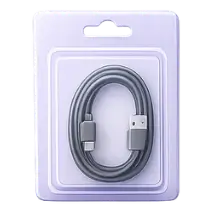
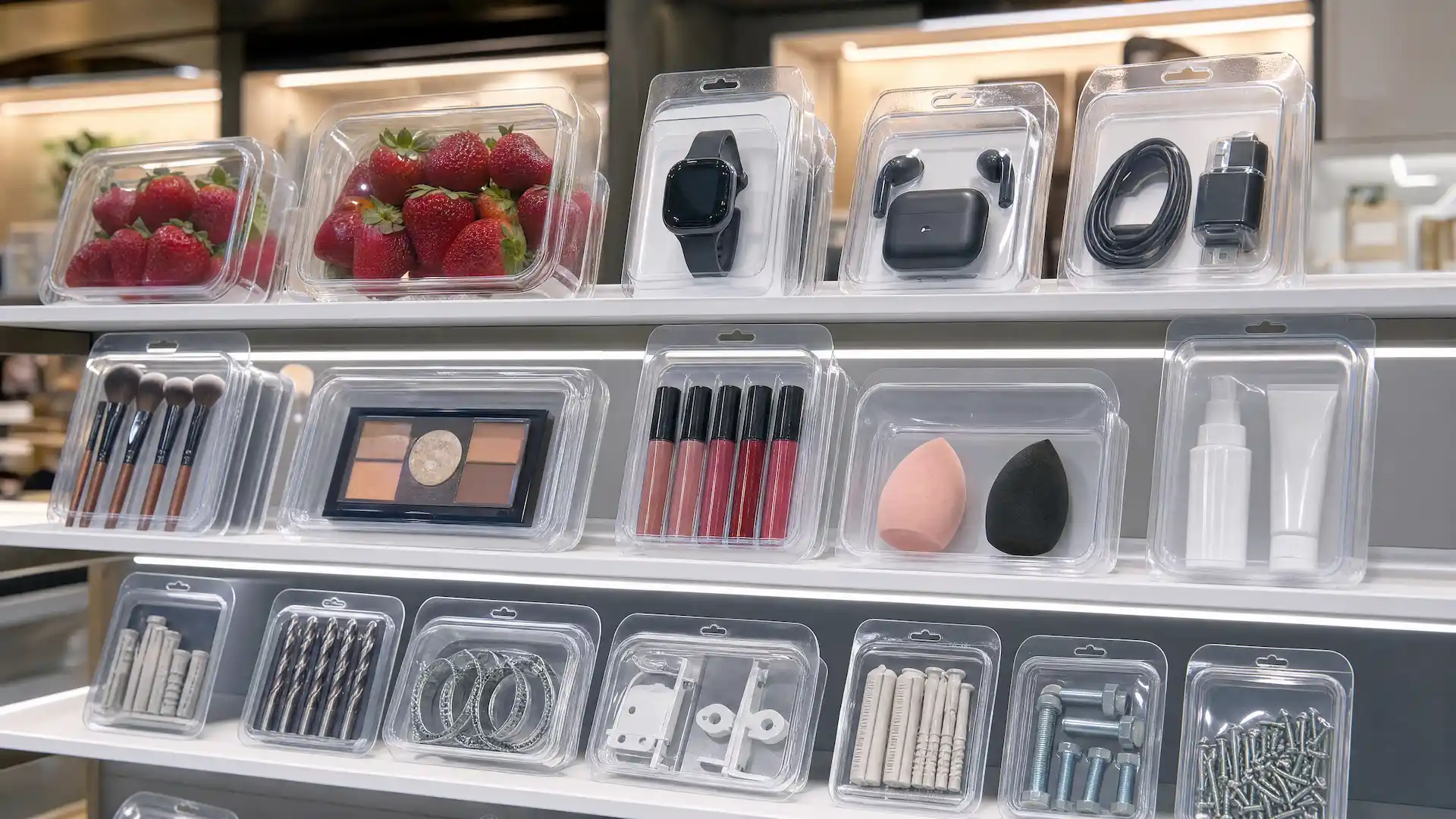
Nearly everyone has opened one without knowing the word for it. The stiff clear box your earbuds arrive in. The punnet your strawberries come home in. Both are clamshells: two plastic halves on a hinge, closing around whatever sits between them. As packaging names go it is refreshingly literal, since the thing opens the way a clam does.
- Clear plastic, usually PET or PVC
- Two hinged halves that shut around the product completely
- Transparent on every face, so there is nowhere to hide a flaw
- Found in retail, food, healthcare, electronics and hardware aisles
- Sealed permanently or built to reopen, depending on what the product needs
- Product stays visible the entire time. Nobody has to open anything
What keeps plastic clamshell packaging in retail is that it conceals nothing. Someone picks it up, turns it over, looks at the back. That one small habit kills more hesitation than most packaging tricks manage on their best day.
How Clamshell Packaging Works
Making one is not complicated. Plastic sheet gets heated until it goes soft, pressed down into a mold, then cooled until it holds the shape. Thermoforming, in other words, which is how most rigid plastic packaging comes into the world.
Then the product goes in and the pack has to close. Three ways to do that, and the right one depends on how secure the product needs to be:
- Snap closure: clicks shut, opens again, good for anything reusable
- Heat sealing: the edges are bonded for good, and getting in means tearing something
- Ultrasonic sealing: strongest of the three. Reserved for when security outranks convenience
Because the mold is cut to the product, there is barely any room to move inside. With clamshell blister packaging that snug fit is half the reason people choose it. If somebody got there before you, it shows.
Types of Clamshell Packaging
Different products pull in different directions. These are the formats you will end up choosing between:
1. Plastic Clamshell Packaging
- Plain clear plastic, the version you see most
- Light, tough, cheap once the volume is there
- Electronics, accessories, tools, general consumer goods
- Where you land when nothing unusual is required
2. Clamshell Blister Packaging
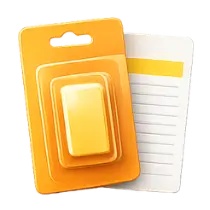
- Plastic front, printed cardboard insert sitting behind it
- Batteries and hardware live in these
- The insert buys you a genuine surface for branding and product detail, which plain plastic never gives you
- Made for peg hooks, which is why so much of it sits near the checkout
3. Custom Clamshell Packaging
- Molded to the exact shape of your product, not a shape near it
- Fits tighter, looks deliberate
- Costs you tooling and about two extra weeks, and pays it back in shelf presence
- Worth doing when beating the product next to you actually moves units
4. Stock Clamshell Packaging
- Already made, in fixed standard sizes
- Pick a size and you are done. No design stage at all
- Ships sooner, costs nothing up front in tooling
- Sensible when the budget and the launch date matter more than a perfect fit
5. Food Clamshell Packaging
- Food-safe material cleared for direct contact with produce and baked goods
- Vents stop heat and condensation building up inside
- Grocery runs on these: berries, salads, pastries, the deli counter
- Contents hold up noticeably longer than in the same pack without vents
Key Features of Clamshell Packaging
Industries keep coming back to it for six reasons, and they are the same six every time:
- Full transparency: every angle visible, no opening required
- Rigid structure: it holds shape under a pallet instead of folding
- Light weight: barely registers on the freight bill
- Moisture and dust resistance: condition survives the warehouse and the shelf
- Tamper evidence: a sealed pack tells on anyone who opened it
- Stackable shape: stacks flat, stores tight, wastes nothing
Benefits of Clamshell Packaging
Plenty of benefits get claimed for this format. These are the five that eventually turn up in your numbers:
1. Clear Product Visibility
- The customer sees the actual item, not a photograph of one
- Doubt that comes standard with a closed box disappears
- Trust arrives faster than any claim you could print on a label
- Returns drop, because nobody feels misled when they open it at home
2. Strong Protection
- Rigid walls take the knock instead of passing it to the product
- Nothing rattles, because the mold fits
- Warehouses are rough places. These survive them
- What leaves the factory is what reaches the customer
3. Tamper Resistance
- Heat-sealed versions cannot be opened quietly
- Food, pharmacy and electronics care about this more than anyone
- Buyers get the reassurance that nobody has been in there first
- In-store shrinkage from opened packs falls off sharply
4. Cost-Effective Solution
- Cheap material for the amount of handling it absorbs
- Light, so freight stays where you budgeted it
- Fewer damaged units, which means fewer refunds and fewer replacements shipped
- Stock sizes skip the tooling spend completely
5. Flexible Display Options
- Hang hole, straight onto a peg
- Flat base, standing on a shelf unaided
- One pack does both, so store layout stops being your problem
- Retailers get choices without you running two versions
Applications of Clamshell Packaging
Start noticing clamshells and you cannot stop:
- Retail: phone accessories, cables, toys, small electronics, stationery
- Food: strawberries, salad kits, muffins, the grab-and-go deli shelf
- Healthcare: disposable instruments, diagnostic kits, single-use tools
- Cosmetics: brushes, sponges, skincare accessories
- Hardware: drill bits, screws, utility blades, tape measures, small hand tools
That spread across categories is exactly why clamshell packaging wholesale is such a routine sourcing decision for anyone buying in volume.
Clamshell Packaging vs Other Packaging Types
| Feature | Clamshell Packaging | Blister Packaging | Flexible Pouches |
| Visibility | High | Medium | Low |
| Protection | Strong | Moderate | Flexible |
| Cost | Medium | Low | Low |
| Customization | High | Medium | High |
| Display Options | Excellent | Good | Limited |
A few things this comparison makes clear:
- Flexible pouches win on cost and surrender nearly all visibility to get there
- Blister sits in between, and it never fully encloses anything
- Only clamshell scores properly on visibility and protection at once
- If the sale depends on the customer seeing it first, nothing here competes
Custom Clamshell Packaging for Branding
Stock packaging holds a product. That is the whole job description, and there is nothing wrong with it. Custom clamshell packaging is where the pack starts earning its keep for the brand too, because a mold cut to your product and an insert designed with some intent behind it read as chosen rather than borrowed.
Through clamshell packaging services, brands can add:
- Printed inserts carrying the story, the ingredients, the instructions, whatever the customer needs
- Custom structural shapes nobody else in the aisle is running
- Internal compartments for multi-piece sets
- Hang holes and euro slots cut where the retailer asks for them, not where the mold happened to allow
- Logo placement readable straight through the plastic. No sticker on top
- Spot color or full-color printing on inserts, matched to the rest of your identity
Put five similar products side by side and finishing is usually what breaks the tie.
Eco-Friendly Clamshell Packaging Options
Buyers ask about this directly now, and retail buyers ask harder than consumers do. The material list has grown accordingly:
- Recyclable PET: resin code 1, and the one most curbside programs actually accept
- RPET: post-consumer content, which cuts your virgin plastic straight away
- Biodegradable alternatives: break down without leaving microplastics behind
- Paper-based clamshells: for brands getting out of plastic altogether
- Reduced-thickness designs: same structure, less material, lower resin cost
Worth knowing: PET and PVC look identical on a shelf and behave nothing alike in a recycling stream. If a sustainability claim is going anywhere near your artwork, confirm which resin you are actually buying first.
How to Choose the Right Clamshell Packaging
No universal answer exists here. It comes down to the product and where it will sit. Before you approach clamshell packaging services, get these straight:
- Product dimensions and weight: these decide wall thickness and how deep the mold has to go
- Compliance requirements: food-safe, child-resistant and tamper-evident rules all differ by category
- Customization against speed: tooling costs you weeks, stock costs you fit
- Display environment: peg hook, shelf, or both. It changes which features matter
- Volume and budget: custom earns its money at volume, stock is smarter for a small run
- Sustainability requirements: a few retailers now insist on recyclable or recycled content before they will stock you
Arrive with those answers and you save a fortnight of emails. More importantly, you avoid the expensive category of change, which is any change made after the tooling has been cut.
Why Businesses Prefer Clamshell Packaging
It keeps winning because it refuses to make you trade one thing for another:
- Protection holds through every stage of the supply chain
- Customers see the product without opening a thing
- Tamper evidence is built in, not stuck on afterwards
- Freight stays cheap because the pack weighs almost nothing
- Stock sizes not working? Custom exists
- One supplier can cover several SKUs, which keeps your purchasing simple
- Expectations set accurately before the sale mean fewer returns after it
Getting all of that from one format is genuinely difficult to replace, which is the whole reason it has stuck around.
Future Trends in Clamshell Packaging
Packaging moves slower than tech. It still moves. A few things worth keeping an eye on:
- Recycled content becoming standard: retailers such as Walmart and Target keep pushing suppliers toward it, and that pressure has not peaked
- Thinner walls, same strength: better material science, less plastic per unit
- Smart packaging: QR codes and NFC tags for authentication, traceability, and reaching the customer after the sale
- Paper and plastic hybrids: plastic structure, paper’s reputation
- Closed-loop collection: a handful of brands now take used clamshells back themselves rather than trust municipal recycling to do it
None of this is far off. Several of them are on shelves already.
Conclusion
Clamshell packaging stays a smart call for brands that need the product seen and protected in the same move. Customers get a clear look at what they are buying. The business gets fewer damaged units through shipping, storage and handling in store. That pairing explains why the format works as well for strawberries as it does for drill bits.
Packaging that only protects is doing half a job. A clean, secure, professional pack earns trust and earns attention, and in a crowded aisle you need both. Stock or fully custom, the aim never changes: better presentation, a more confident buyer, and a product that gets picked up.
Get Retail-Ready Clamshell Packaging Today
Your product deserves packaging that protects it, shows it clearly, and helps people buy with confidence. Send your details to Flexible Pouches and get a custom quote built around what you are actually selling.
FAQs
- What is clamshell packaging used for?
Anything that needs to be seen and protected at the same time. Food, electronics, retail goods, hardware, healthcare items. If the product sells better once someone can look at it properly, this format earns its place.
- Is clamshell packaging recyclable?
Often, yes, particularly PET and RPET. PVC is a different story and many programs will not take it. Check what your local facility accepts before printing a recycling claim on the insert.
- What is the difference between blister and clamshell packaging?
Blister packaging bonds a plastic bubble to a cardboard backing. A clamshell is plastic all the way round, two hinged halves closing on the product, no card involved.
- Is clamshell packaging good for food?
Yes, and grocery relies on it heavily. Produce, bakery, deli and takeaway are all standard. Go for a vented version so air can move and the contents do not sweat.
- Can clamshell packaging be customized?
Yes. A custom clamshell can be shaped and sized around almost any product, with printed inserts and structural features built around the brand rather than adapted to it.
- Why do businesses prefer clamshell packaging?
It covers protection, visibility and tamper evidence in one pack, without adding real weight or cost. It also stretches across enough product types to stay useful in nearly any consumer-facing category.