

















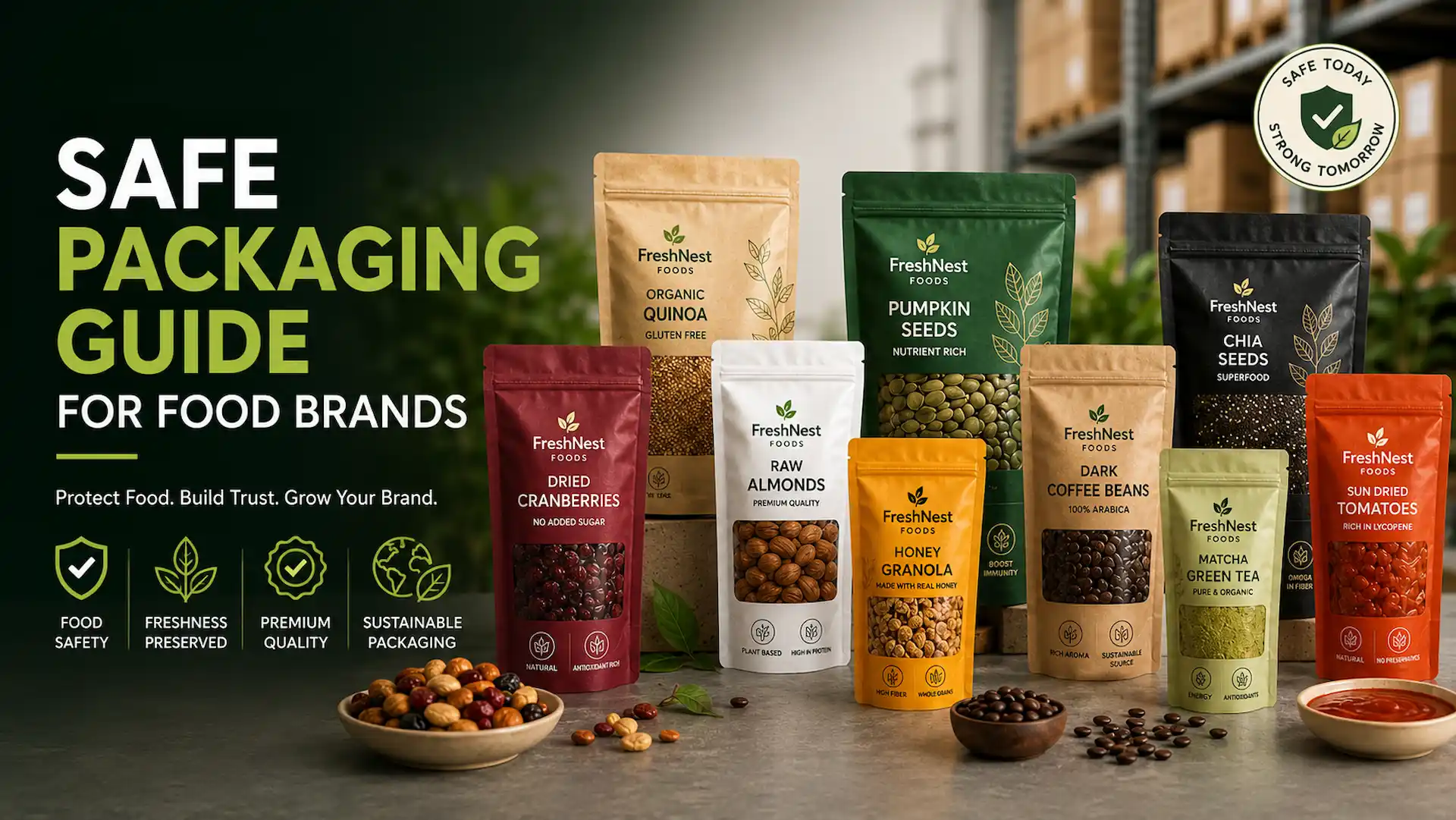
Packaging does three jobs at once. It protects the food, sells it on a busy shelf, and tells people it is safe to eat. Drop one of those and you feel it fast. Sales dip. And the trust you spent years building can crack in a week.
That is why so many food brands keep landing on stand up food pouches. They stand on their own. They hold the product well, and your label gets real space to work with. They are also cheaper to ship than glass or metal, which you notice the minute order sizes grow. The rest of this guide walks through the safety side, how to pick the right one, and what to settle before you buy.
What Are Stand Up Food Pouches?
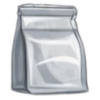
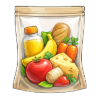
A stand up food pouch is a flexible bag that holds its own on the shelf. What makes it stand is the bottom. There is a folded panel down there called a gusset, and the moment you fill the pouch, it spreads open and forms a flat base. From then on the bag just sits there, steady, whether that is a store shelf, a kitchen counter, or a display stand.
Brands pack all kinds of things in them. Snacks, nuts, coffee, tea, spices, dried fruit, pet treats, bakery goods, protein powder, the list runs long. The appeal is simple enough. They look tidy, they save space, and they leave you plenty of room for your design and the details buyers want to read.
A standard stand up pouch usually has three parts:
- A front panel that carries your branding, product name, and design
- A back panel for ingredients, nutrition facts, barcode, and instructions
- A bottom gusset that does the actual standing
Then there is weight, which is a quiet selling point. A pouch weighs a fraction of a jar, can, or rigid tub, and it eats up far less space in shipping and storage. That works in your favor whether you are a small startup or a big operation moving pallets.
Why Food Brands Choose Stand Up Pouches for Food Packaging
Snacks. Coffee. Pet food. Supplements. Pouches show up across all of them. The reason is simple, they fix a few problems in one go.
- Shelf appeal: The flat front works like a small billboard for your brand.
- Lightweight build: Way lighter than jars or cans, so shipping costs drop.
- Easy storage: Empty pouches ship flat and hardly touch your warehouse space.
- Custom printing: Designs, logos, and details print right to the edge.
- Customer convenience: Easy to open, reseal, and store at home.
Here is the part people forget. Empty pouches ship flat and weigh almost nothing. You fit far more in a box than you ever could with jars. Over a year, that is real money saved on freight.
How Stand Up Pouches Help Keep Food Fresh and Protected
Freshness is the whole game. One stale snack, one flat coffee, and the customer walks. Pouches are made to hold off whatever ruins food.
A good one keeps out:
- Oxygen, the reason snacks go stale and oils turn.
- Moisture, behind clumping, mold, and soggy textures.
- Light, which fades color and breaks down nutrients.
- Air exposure, which dries food out and kills the flavor.
- Contamination from dust, germs, and pests.
How well it does all that depends on the films. Chips need less protection than roasted coffee. So match the build to the food, not the other way round.
Important Note: Film means nothing without a proper seal. A weak or uneven seal lets air and moisture in. Test your seals before a full run.
What Makes a Stand Up Pouch Safe for Food?
Looking safe and being safe are not the same thing. Safety lives in the materials and the build. Not the artwork.
What counts:
- Food-contact materials: The inner layer that touches food has to be food-grade and cleared for direct contact.
- Safe inks: Printing stays on the outer layer and never reaches the product.
- Safe adhesives: The glues between layers must be food-safe and migration-tested.
- Heat sealing: A clean, strong seal shuts the pouch and stops leaks.
- Proper construction: The layers have to line up and bond right, or the barrier fails.
None of this shows up by eye. A pouch can look flawless and still run the wrong inner film. That is why the paperwork matters more than the looks.
Food Safety Standards Every Brand Should Check Before Ordering
Learn the rules before you buy. It saves you grief later. Safety is not a friendly promise from a sales rep, it comes with paper, and it should.
| What to Check | Why It Matters |
| FDA food-contact compliance | Confirms the inner film is cleared to touch food. |
| BRCGS Packaging certification | A global standard proving clean, safe manufacturing. |
| Quality control records | Shows the supplier tests and inspects each batch. |
| Supplier documentation | Letters of Guarantee and spec sheets back up the claims. |
A supplier who hands these over fast is one worth keeping. One who dodges the question just answered it.
Choosing the Right Material for Stand Up Pouches for Food
Different foods need different pouches. Match the material to how delicate the product is. Pick wrong and you waste money, or worse, you spoil the food.
- Clear film: good when you want the product on show, like nuts or candy.
- Kraft paper: a natural, earthy look that suits organic brands.
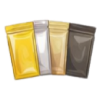
- Metalized film: a shiny barrier that blocks light and stretches shelf life.
- Foil barrier: the toughest one, made for coffee, spices, and sensitive goods.
- Recyclable films: a greener pick for easy curbside recycling.
- Compostable options: plant-based films built to break down.
Plenty of brands mix them. Kraft outside, foil inside. Natural look, strong barrier. It is a go-to combo for coffee and tea.
Barrier Films: The Hidden Layer That Protects Shelf Life
The barrier film is the part nobody sees. It also does most of the work. Weeks or months of freshness instead of days comes down to this one layer.
Think of it as a shield. It slows the oxygen and moisture trying to sneak in. Stronger the barrier, longer the food keeps its flavor and crunch.
Coffee makes the point. Half the reason people buy it is the smell, and a good barrier traps that smell until the bag opens. Dried snacks lean on it too, to stay crisp. Skimp here and even great food turns up tasting flat.
Best Features to Add to Stand Up Pouch Food Bags
Once the pouch and material are set, a few add-ons make it easier to use and nicer in the hand.
- Resealable zipper – keeps food fresh after the first open.
- Tear notch – opens the pouch without scissors.
- Clear or frosted windows – shows a peek of what is inside.
- Hang hole – lets the pouch hang on display hooks.
- Pour spout – makes pouring powders or liquids clean.
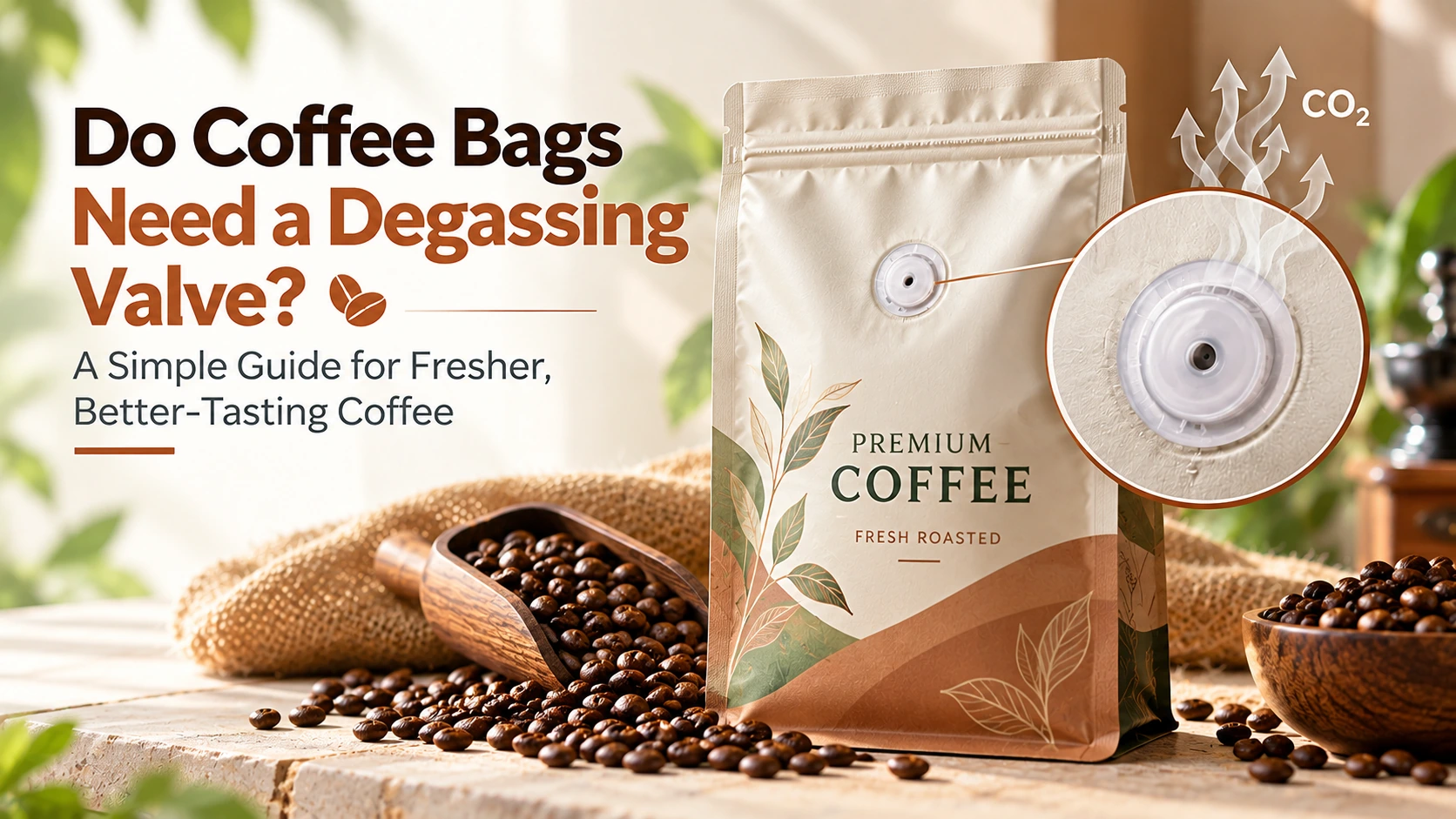
- Degas valve – lets fresh coffee release gas while blocking air.
- Rounded corners – a softer, premium look.
- Matte, gloss, or soft-touch finish – sets your brand’s mood.
You do not need all of them. Pick what fits how people actually use the product. Leave the rest off, or the cost creeps up for nothing.
Which Food Products Work Best in Food Stand Up Pouches?
Pouches stretch across a lot of foods, dry to wet. There is usually a build to fit whatever you sell.
- Snacks and chips
- Dried fruits and nuts
- Coffee and tea
- Granola and cereal
- Spices and seasonings
- Pet food and treats
- Protein and drink powders
- Supplements and capsules
- Sauces and liquid foods
- Ready-to-eat meals
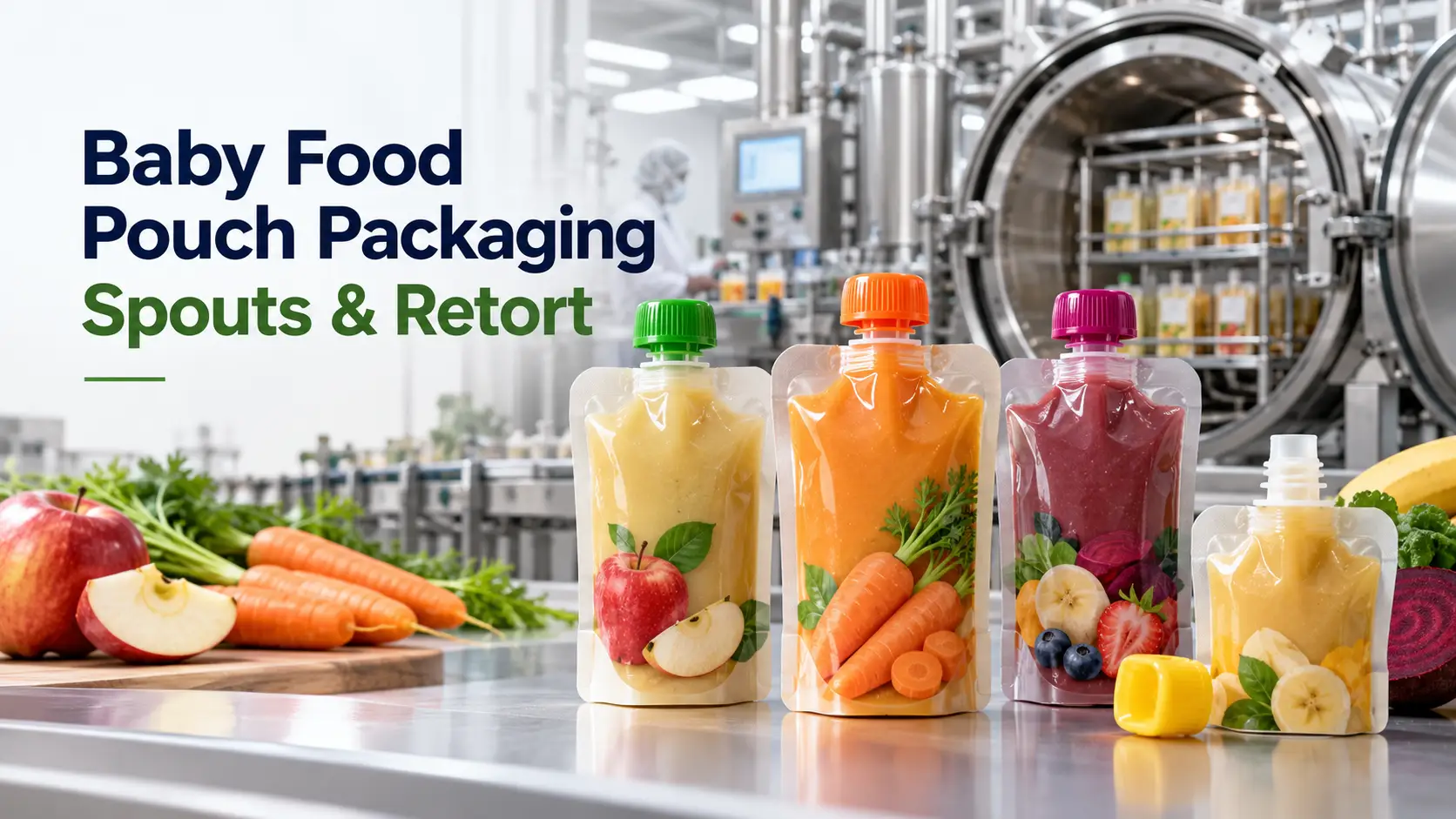
Wet and high-moisture stuff is where to slow down. It usually needs a heavier build or a retort pouch. More on that in the FAQs.
Stand Up Pouches vs Traditional Food Packaging
Stuck between pouches and the old jars, cans, or boxes? Line them up and it clears fast.
| Factor | Stand Up Pouches | Jars, Cans & Boxes |
| Weight | Very light | Heavy and bulky |
| Storage | Ships and stores flat | Eats up space |
| Shipping cost | Lower | Higher |
| Branding space | Large print area | Limited or label-based |
| Freshness | Strong barrier options | Good, but often heavier |
For most newer brands, pouches win on cost, branding, and shelf space, and still guard the product. Jars and cans are not dead though. They still earn their spot with premium or heat-processed goods. So it is rarely all or nothing.
Sustainable Stand Up Pouches: What Food Brands Should Know
Shoppers care more about the planet now. Packaging is part of that. Pouches come in greener forms than they used to.
Your options:
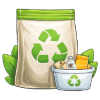
- Recyclable pouches that fit the right recycling stream.
- Biodegradable films that break down over time in the right conditions.
- Compostable options made from plant-based materials.
- Mono-material pouches built from one plastic type for easier recycling.
Go easy on the big eco claims. Say what the pouch actually does and stop there. The honest win is weight. Flexible packaging uses less material and travels lighter than rigid stuff. And if you call something recyclable or compostable, it had better be. Shoppers check now.
How to Choose a Stand Up Pouch Supplier for Food Safety Compliance
The supplier matters as much as the pouch. A good stand up pouch supplier with food safety compliance answers fast, stays open, and backs up claims with paper, not promises.
Worth asking before you order:
- Are your inner films FDA food-contact approved?
- Do you hold BRCGS Packaging or a similar certification?
- Can you provide a Letter of Guarantee for the materials?
- How do you handle quality control and batch testing?
- Can I get samples before a full production run?
- What is your lead time and minimum order quantity?
Clear answers backed by documents, and you are fine. A lot of “trust us” and not much paper, that is your cue to keep looking.
Important Note: Do not skip samples to save a couple of days. A sample lets you check the seal, the print, the feel, the fit, all before you commit to thousands of units. Cheapest insurance you will ever buy.
Common Mistakes Food Brands Make with Stand Up Pouches
Plenty of sharp brands trip on the same things. Catch them early and you stay out of trouble.
- Poor material choice that does not suit the product.
- Weak sealing that lets in air and cuts shelf life short.
- Wrong pouch size that looks half empty or overstuffed.
- Unclear labeling that confuses or misleads buyers.
- No compliance proof from the supplier.
- Design over protection, where the look wins but the food loses.
Sizing catches people out more than the rest. A pouch sitting half empty on the shelf reads as poor value. Even when the fill weight is spot on.
Final Checklist Before You Order Stand Up Pouches for Food Packaging
Give everything one last look before you hit order. Five minutes here can spare you a costly mistake or a production delay later.
| Checklist Point | What to Confirm |
| Product type | Dry, liquid, oily, frozen, powder, or snack |
| Food safety | Food-contact material and supplier documents |
| Barrier level | Moisture, oxygen, light, and aroma protection |
| Pouch size | Correct weight, volume, and shelf fit |
| Pouch style | Stand up, flat bottom, spout, or window pouch |
| Features | Zipper, tear notch, valve, window, hang hole |
| Printing | Artwork quality, colors, finish, and layout |
| Label details | Ingredients, nutrition, barcode, expiry area |
| Testing | Samples, sealing, filling, storage, and transport |
| Supplier | Compliance, lead time, MOQ, and support |
A list like this does two things. It keeps the buying process simple, and it lets your team weigh suppliers side by side instead of falling for the lowest price. At the end of the day, the best pouch is the one that fits your product, keeps the food in good shape, carries your brand well, and leaves the customer happy.
Conclusion
A safe stand up food pouch is never just about a sharp design. It comes down to the materials that touch the food, the barrier that keeps air and moisture out, and a supplier you can actually trust. Get those three right and the pouch does its real job, which is keeping your product fresh from your line to the customer’s kitchen. Skip any of them to save a little money and you usually pay for it later in spoiled stock or lost trust.
So treat the packaging as part of the product, not an afterthought. Check the standards, match the material to what you are selling, ask the supplier for proof, and order samples before the full run. Do that and the pouch stops being a cost and starts working for you. It guards your food, builds trust on the shelf, and helps your brand stand out for the right reasons.
Need Stand Up Food Pouches for Your Brand?
Choose packaging that keeps your food fresh, safe, and ready for the shelf. With the right stand up food pouches, your brand can improve product protection, storage, and customer trust.
Order custom stand up food pouches that fit your product and packaging goals.
FAQs
1. Are stand up food pouches safe for direct food contact?
Yes, as long as the inner layer is food-grade and cleared to touch food. Just ask the supplier to prove it. FDA compliance or a Letter of Guarantee does the job.
2. What material is best for stand up pouches for food?
That depends on what you are packing. For things that need full protection, like coffee and spices, go with foil or metalized film. If you want shoppers to see the product, clear film is the way.
3. Do stand up pouches for food packaging extend shelf life?
They can. A good barrier film keeps out oxygen, moisture, and light. Those three are what spoil food, so blocking them keeps your product fresh and safe for longer.
4. Can stand up pouch food bags be used for powders and snacks?
Yes, easily. Powders, snacks, granola, all of it works. Add a pour spout or a zipper and it gets even easier to handle.
5. Are food stand up pouches suitable for wet products?
They can be, but the build has to be right. Sauces and liquids need special films and strong seals. Some even need retort pouches that hold up to heat and moisture.
6. What should I ask a stand up pouch supplier about food safety compliance?
Ask about FDA food-contact approval and BRCGS Packaging certification. Ask how they run quality control. And ask if they will send samples and documents before you place the order.