




















Think about the last medicine you bought. The pill or syrup did the real work, sure. But the small box around it? That box quietly did a lot too. A medical folding carton protects what’s inside, carries the rules printed on the label, and shows the pack hasn’t been touched before it reaches you.
These boxes look simple. They’re not. A good carton keeps light and damp away from sensitive drugs, holds dosage details and warnings, and even helps block counterfeit medicines from reaching the shelf. Below, we’ll cover what these cartons do, what makes one truly safe, and how to pick the right supplier.
What Exactly Is a Medical Folding Carton?
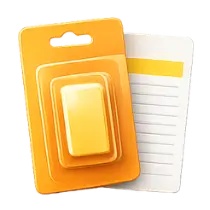
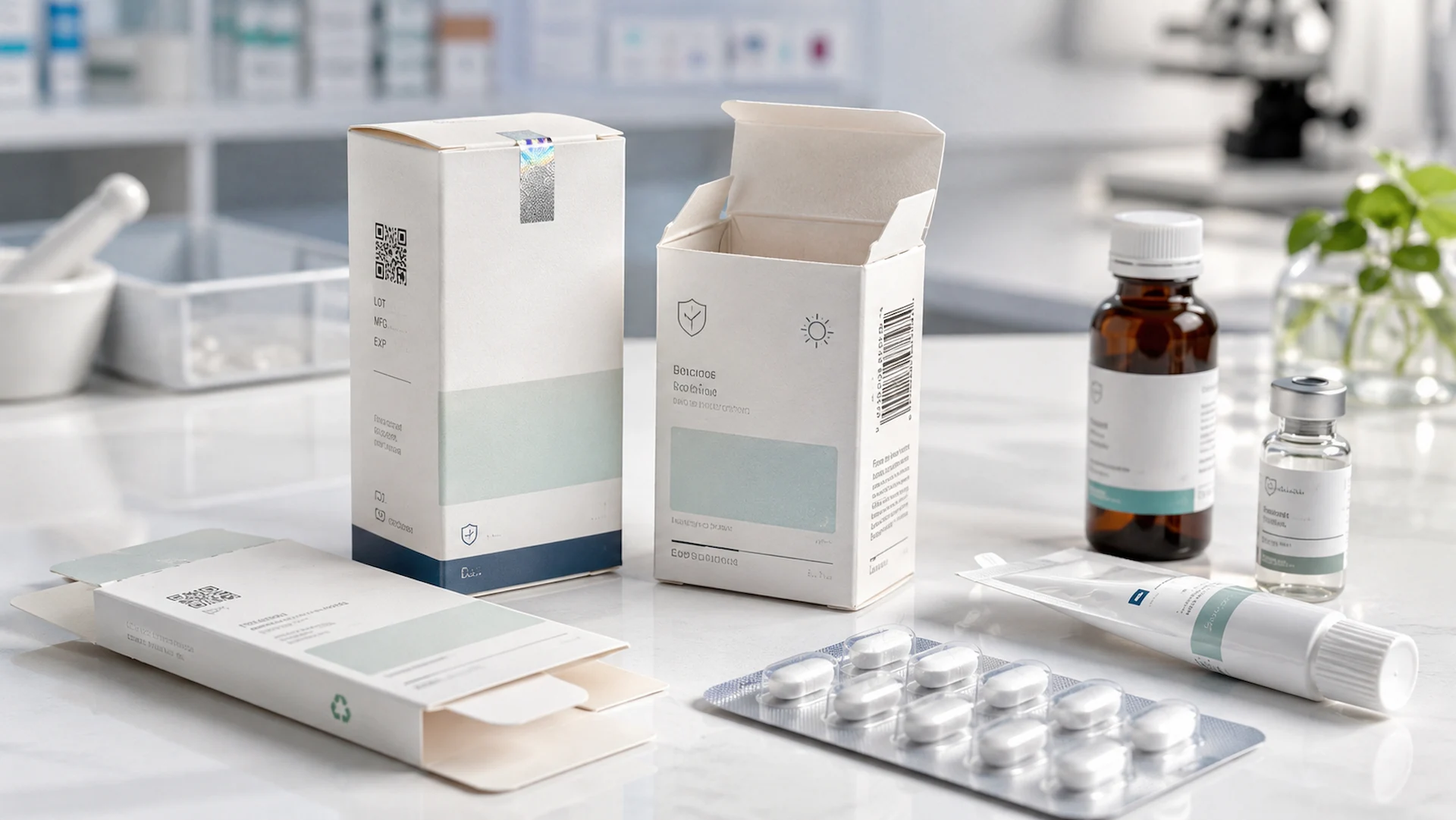
A medical folding carton is a paperboard box made to pack medicines and other healthcare items. It ships flat, then snaps into shape on the packing line in seconds. You’ll spot these boxes around blister packs, syrup bottles, ointment tubes, vials, and small devices.
Most of the time, the carton is the secondary layer. The primary pack, the blister or bottle is what actually touches the drug. The carton wraps around that, adding strength, brand space, and a clean surface for print. Paperboard is cheap, light, and recyclable, which is how folding carton packaging became the default across the medical world.
Open one up and you’ll usually find the brand, drug name, dose, batch number, expiry date, and a barcode spread across the panels.
Primary or Secondary: Where Do Folding Cartons Belong?
People mix these two up constantly, so here’s the short version. Primary packaging touches the medicine directly: a blister strip of tablets, a bottle of syrup. Its only job is keeping the drug clean and stable. Secondary packaging sits one step out, and the folding carton is the classic case: it bundles the primary packs, shields them, and gives you room for the legal text.
Picture it as layers:
- Primary: the blister strip of tablets
- Secondary: the folding carton around that strip
- Tertiary: the shipping box packed with many cartons
The carton lands right in the middle close enough to guard the product, out front enough to carry the brand and the rules.
Why Folding Cartons Are the Backbone of Safe Pharma Packaging
New materials keep arriving, yet folding cartons won’t budge from the top spot. Why? A few reasons, and the market backs them up. Demand is climbing fast: the healthcare carton market sat near USD 3.75 billion in 2025 and should nearly double to USD 7.56 billion by 2035, with medicines taking the biggest share. Blame an ageing world, more long-term illness, and a flood of over-the-counter remedies.
Here’s what keeps cartons in front:
- Solid protection without piling on weight or cost
- Flat panels with loads of room for labels and barcodes
- A shape that flies through fast packing lines and stacks neatly
- Easy recycling, which buyers ask about more every year
That’s the real reason folding cartons for healthcare aren’t going anywhere.
What Makes a Folding Carton “Safe” for Medicine?
A carton earns the word “safe” by doing several jobs at once. The obvious one first: physical protection. A stiff paperboard absorbs the knocks and squeezes of a long delivery, so the glass vial or blister card inside doesn’t crack or bend.
Then there’s the stuff you can’t see. Plenty of drugs hate light and moisture, and a coated or lined carton blocks UV rays and slows damp buying the medicine a longer, safer shelf life.
Security comes next. Tamper-evident flaps, tear strips, and seals make it obvious if a box has been opened. Add serial codes, QR codes, or holograms and each box can be traced back to its source, which makes fakes much harder to pull off. Child-resistant locks add another guardrail for homes with young kids.
Finally, the carton has to talk: wide panels hold dosing steps, warnings, and multiple languages, with Braille for visually impaired patients.
Important Note: Tamper-evidence and serial codes aren’t just nice-to-haves. In many countries they’re now the law for prescription cartons so build them in from day one, not as an afterthought.
No wonder pharmaceutical carton boxes get trusted with products where one slip can hurt someone.
Staying Compliant: Rules Every Pharma Carton Must Meet
Pharma is a rule-heavy business, and the carton is where most of those rules land. Regulators want every box to say the right things and to be traceable from factory to pharmacy.
A typical medicine carton has to carry:
- Drug name and active ingredient
- Dose and how to use it
- Batch number and expiry date
- Barcodes and 2D codes
- A tamper-evident seal
- Braille, in many regions
Beyond the printing, many markets now demand serialization of a unique code on every saleable pack. The US handles this through the Drug Supply Chain Security Act (DSCSA); Europe through the Falsified Medicines Directive (FMD). Same goal either way: track the real medicines, shut out the fakes. How it’s made matters too; GMP means clean, certified sites, and a mark like BRCGS proves a supplier takes quality seriously. Picking a certified maker is honestly the simplest way to stay compliant.
Materials That Keep Medicines Safe
The board matters more than you’d guess: the wrong grade means you overspend or leave the drug under-protected. Here’s a quick guide to the boards you’ll meet for pharmaceutical folding cartons:
| Board Type | What It Is | Where It Shines |
| SBS (Solid Bleached Sulfate) | Smooth, bright white | Premium look, sharp print quality |
| CCNB (Clay Coated News Back) | Coated front, grey back | Budget-friendly everyday packaging |
| CCKB (Clay Coated Kraft Back) | Coated front, kraft back | Tougher, more durable packaging |
| Kraft | Natural brown | Eco-friendly, recyclable packaging |
Which one wins depends on the job. A light-sensitive drug leans toward a coated board with extra barrier protection. A brand selling a clean, natural story might go straight for kraft.
Important Note: Tell your supplier the product’s weight, size, and how delicate it is before anything gets printed. That single conversation early on saves real money and a few headaches later.
One more thing: water-based inks are the safer choice when print sits close to medicine.
Designing Custom Medical Folding Cartons
No two products pack the same way, which is the whole point of custom folding carton boxes. Shape, size, finish you bend the box around the product, not the other way round.
On structure, a few styles cover most medicines:
- Reverse tuck end — opens and closes easily, fine for daily packs
- Straight tuck end — a clean front for branding
- Seal end — fully glued ends when security matters most
- Auto-bottom — a pre-glued base that springs open on fast lines
- Partition cartons — built-in dividers that hold vials or syringes still
- Window cartons — a cut-out that shows the product through the box
After the shape, the details are yours: custom sizes and dielines, offset or digital print, finishes like matte or foil, inserts for fragile items, and greener board if that’s the goal.
That range is why custom medical carton boxes fit almost anything. Tablets in a simple tuck box, or custom pharmaceutical cartons for a tricky injectable same process. Many brands order custom pharma packaging boxes in a small batch first, prove the design, then scale up.
Sustainability: Eco-Friendly Cartons in Healthcare
Green isn’t a bonus anymore; customers, patients, and regulators all expect it. Folding cartons start ahead here because they’re paper at heart: renewable and easy to recycle. Next to most plastic packs, they slot straight into normal paper recycling, and boards like kraft, CCNB, and CCKB can carry recycled content to trim raw material use. Recycled paperboard is one of the fastest-growing picks on the market right now.
The upside for a brand is clear:
- Less plastic and a smaller carbon footprint
- A cleaner, more responsible image
- An easier route to those ESG targets everyone’s chasing
Already running pouches? Pairing recyclable healthcare folding cartons with other healthcare flexible packaging can pull down the footprint of a whole product line.
Folding Cartons vs Other Pharmaceutical Packaging
Cartons aren’t your only choice, so where do they stand against the rest? It comes down to the product.
| Type | Protection | Recyclability | Branding Space |
| Folding Carton | Strong, all-round | Easily recyclable | High (large print area) |
| Blister Pack | Good (per dose) | Moderate | Very limited |
| Plastic Container | High, moisture-proof | Often non-recyclable | Limited |
| Rigid Box | Very high | Sometimes | Good (premium look) |
A blister pack alone guards each tablet but leaves almost no room for information. Plastic bottles seal well, though recycling and printing on them is a pain. Rigid boxes are bombproof, but they cost more and eat shelf space. Cartons land in the sweet spot — strong, recyclable, roomy for print, and easy on the budget. For most drugs they shine teamed up with a blister or bottle, not instead of one.
How to Choose the Right Folding Carton Partner
Even a perfect design fails if the wrong factory makes it. Your supplier quietly owns your product quality, your brand, and your launch date so vet them properly. A few things worth checking:
- Certifications — BRCGS or similar, plus food-safe materials
- Real customization — custom sizes, dielines, finishes, and inserts, not a fixed catalogue
- Board options — SBS, CCNB, CCKB, and kraft, so you can match board to product
- Low minimums — small runs let you test before betting big
- Quick turnaround — slow cartons stall your whole supply chain
- Actual support — help with structure, artwork, and proofs saves costly slip-ups
The good ones guide you through all product details, the right style, a proof to sign off and ship flat to save space and freight. Get that partner right, and your pharmaceutical folding cartons look sharp, pass inspection, and keep the medicine safe.
Conclusion
Strip it all back and a medical folding carton is doing a surprising amount of work. It shields the medicine, carries the legal fine print, blocks fakes, and helps people use the product the right way. Every choice along the way the board, the coating, the seal on the flap feeds one goal: a drug that reaches the patient exactly as intended. Nail the carton, and you’ve protected both your product and the people counting on it.
As the world buys more medicine, smart, safe cartons only get more valuable. The move that pays off is planning them early and teaming up with a certified partner you trust. Do that, and safety, compliance, and good design come baked in.
Ready to Build Safer Packaging for Your Product?
At Flexible Pouches, we build custom folding cartons made to protect, stay compliant, and look great on the shelf. Premium SBS or eco-friendly kraft, low minimums, fast turnaround whatever your product needs, we’ll help you land packaging that’s safe and beautiful. Tell us what you’re packing, and we’ll take it from the first sketch to the finished box.
Get a free quote today and feel the difference the right carton makes.
Frequently Asked Questions
1- What is a medical folding carton?
A paperboard box for packing medicines and healthcare products. It ships flat, folds up on the line, and wraps around the primary pack a blister or bottle to protect it and hold the key details.
2- Which materials are used for pharmaceutical folding cartons?
Mostly SBS, CCNB, CCKB, and kraft. SBS looks premium; kraft feels natural and green. The right one depends on your budget and how sensitive the drug is to light or moisture.
3- How do folding cartons keep medicines safe?
They guard against knocks, light, and damp, and carry tamper seals, serial codes, and clear dosing info which cuts down on damage, fakes, and mix-ups.
4- Are these cartons tamper-evident and child-resistant?
They can be. Sealed flaps or tear strips show if a box was opened, and child-resistant locks suit products that need extra care.
5- Do folding cartons ship flat?
Yes. Flat delivery saves storage and shipping costs, and the boxes pop into shape fast when you’re ready to pack.
6- Can I customize a carton for my product?
Definitely. Size, style, board, print, finish, inserts, windows all on the table. Custom folding carton boxes are built to fit your product snugly and show it off well.