




















Packaging waste has turned into a problem nobody in the industry can look away from, and single-use plastic sits at the center of it. Millions of packs get used once and thrown out every day, loading up landfill and waste systems that were never built for that volume. It costs the planet, and it costs businesses too, on both the production side and the disposal side. So companies are going back to the drawing board on how packaging is designed and delivered, looking for something smarter than make it, ship it, bin it.
Refill packaging is the solution getting the most attention right now. The customer keeps the container and buys a refill pack instead of a whole new product every time. That lets brands reduce material use, take cost out, and hold onto customers between purchases. Cosmetics, food and household products have moved fastest, and customers are pushing the same direction, which is what makes refill packaging more than a passing experiment.
What Is Refillable Packaging?
Refillable packaging is a system where the container is built to be used many times over. Rather than buying another bottle, the customer buys a refill and tops up the one they already own. Fewer new containers get made, and the packaging stops being disposable by default.
One distinction worth getting right: refillable is not the same as reusable. Reusable packaging can be used again for something. Refillable packaging is designed specifically to be filled with the same product, which is a tighter and more demanding brief.
How Refill Packaging Works
The process is deliberately simple, because anything complicated gets abandoned by the second purchase.
- The customer buys the product in a durable container
- Once it runs out, they buy a refill pack instead of a new container
- The refill gets poured into the original container
- The container goes back into use, over and over
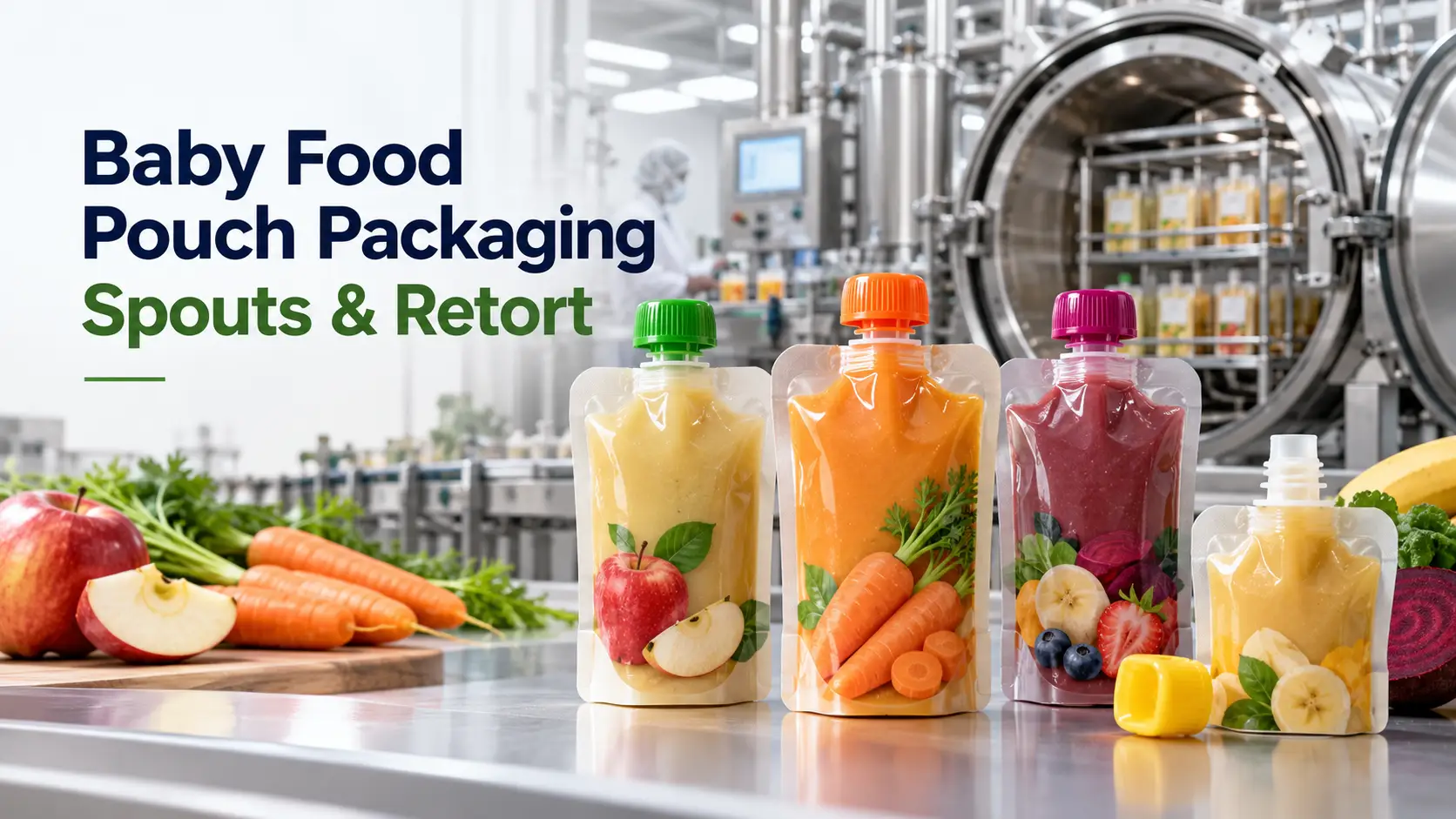
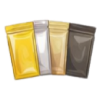
Most brands use refill pouch packaging for this, since it is light, flexible and easy to handle. The pouch is designed around one job: getting the product into the container quickly without making a mess.
Why Brands Are Switching to Refill Packaging
Refill packaging is spreading because it pays off on both sides of the transaction, which is rare in sustainability decisions.
Sustainability & Waste Reduction
The environmental case is the obvious one. A refill pouch uses a fraction of the material a rigid bottle needs, and the bottle it replaces stays in use instead of heading for a bin.
- Less single-use plastic
- Reduced landfill waste
- Better use of the material that does get produced
Cost Efficiency for Brands & Consumers
Refill systems are cheaper to run. Flexible refill packs use less material and cost less to produce than the rigid container they replace.
For businesses:
- Lower production costs
- Reduced shipping expenses
For customers:
- Cheaper refill packs
- Better value the longer they stay with the product
Better Logistics & Transportation
Refill packaging is light and it ships flat, which changes the economics of every pallet you move.
- Takes less storage space
- Reduces shipping weight
- Improves supply chain efficiency
Stronger Customer Loyalty
This is the benefit brands underestimate. Once somebody owns your container, the next purchase is already leaning your way. A refill system builds a small, quiet switching cost that keeps customers coming back without a loyalty scheme behind it.
Refillable Packaging vs Traditional Packaging
Setting the two side by side makes the trade-off clear. Traditional packaging is simpler to launch. Refill packaging costs less over the life of a customer.
| Aspect | Traditional Packaging | Refill Packaging |
| Cost and Materials | Designed for single use; requires constant production of new containers | Reduces material usage by reusing containers multiple times |
| Environmental Impact | Higher pollution and waste; more plastic usage and carbon emissions | Much lower impact, with less plastic waste, lower emissions and reduced resource use |
| Consumer Preference | Losing popularity as sustainability awareness grows | Increasingly preferred for being eco-friendly and aligned with green values |
Types of Refillable Packaging Solutions
Several formats exist, and they suit different products and different price points. The table below covers the three you will be quoted on most often.
| Type of Refillable Packaging | Description | Common Uses | Key Benefits |
| Spouted Pouches (Most Popular) | Flexible pouch with a cap or nozzle for easy pouring; widely used for liquid products. | Juices and beverages, sauces and condiments, personal care products | Easy to use, reduces product waste |
| Fitment Pouches | Flexible pouches with special closures such as caps or spouts for added functionality. | Various liquid and semi-liquid products | Easy opening and closing, controlled dispensing, leak-proof |
| Refillable Bottles + Pouch Systems | Hybrid system combining reusable rigid bottles with flexible refill pouches. Customers refill bottles using pouches. | Household, personal care, and food products | Durable, convenient, reduces packaging waste |
Why Spouted Pouches Are Leading the Refill Revolution
Spouted pouches have become the default format in refill packaging, and the reason is practical rather than fashionable.
They make the refill itself painless. The spout gives the customer control over the pour, which means less spillage, less product wasted down the side of a bottle, and less reason to give up on the system after one attempt.
Key advantages include:
- Easy to handle and use
- Resealable and leak-proof
- Lightweight and portable
- Space-saving design
That combination is why refill pouch packaging built on spouted pouches has become the standard rather than one option among several.
Design Elements That Make Refill Packaging Successful
Design decides whether a refill system survives contact with real customers. A pouch that is awkward to pour gets bought once, and then the customer goes back to buying the bottle.
Importance of Functional Fitments
The fitment is the molded spout welded into the pouch seal, and it does most of the work. Good flexible packaging fitments:
- Prevent leakage
- Improve durability
- Make usage easier
User-Friendly Dispensing & Storage
Refill packaging has to be easy in the moment somebody is standing over a sink with it.
- Smooth pouring design
- Resealable closures
- Easy storage
Those three features are what keep a customer on the refill system rather than back on the bottle.
Branding & Shelf Appeal
The pouch still has to sell itself on a shelf beside the full-price product.
- Attractive printing
- Clear labeling
- Unique design
Strong branding on the refill keeps it recognizable as yours, which matters when a shopper is scanning for it a second time.
Industries Using Refillable Packaging
Refill packaging has spread across several industries, and each one adopted it for slightly different reasons.
Personal Care & Cosmetics
Refillable cosmetic packaging is growing the fastest of all. Shampoos, lotions and creams sell well in refill packs, partly because the original bottle is usually the nicest part of the product.
The result is less plastic waste and a customer base that actively looks for brands doing this.
Food & Beverage
Refill packaging is commonly used for:
- Sauces
- Juices
- Dairy products
Here the pouch has to hold freshness as well as reduce waste, which puts more pressure on the film than a household cleaner ever does.
Household & Cleaning Products
Detergents and liquid cleaners sell heavily in refill pouches, and this is the category where customers accepted the idea first.
The pouch is cheaper, it is easier to carry home, and nobody was ever attached to the packaging in the first place.
Refillable Packaging Options for Brands
Brands have plenty of room to shape refill packaging around the product rather than settling for a stock format.
Key options include:
- Different pouch sizes
- Eco-friendly materials
- Custom printing and branding
- Various closure types, including caps and spouts
These refillable packaging options let a business build packaging that looks like its brand and works for its product, which is what turns a refill pack into part of the range rather than a cheap afterthought.
How Refill Packaging Improves Brand Sustainability Goals
Refill packaging does real work toward sustainability targets, and unlike some initiatives, the effect is easy to measure.
Supporting ESG and Sustainability Targets
Plenty of companies now report against environmental standards. Refill systems cut packaging volume in a way that shows up directly in those numbers.
Reducing Plastic Footprint
Every refill sold is a rigid container that never had to be made.
- Less plastic production
- Reduced environmental impact
Building a Green Brand Image
Customers trust brands that give them something practical to do rather than a claim to read. Offering a refill option is exactly that, and it tends to earn loyalty rather than just approval.
Challenges of Refill Packaging
Refill packaging brings real benefits and real friction. Knowing the friction upfront is what separates a system that works from one that quietly gets dropped.
- Some customers have never used a refill system and need showing
- Hygiene becomes an issue if containers are never cleaned properly
- Refilling can feel like a chore to people used to grabbing a new bottle
- Availability is still patchy in some markets
- First-time users get lost without clear instructions on the pack
- Refill packs are awkward to store in small kitchens and bathrooms
- Changing a habit is harder than changing a product
None of these are permanent. Better on-pack instruction and better pouch design solve most of them, and the brands doing this well treat customer education as part of the packaging rather than an afterthought.
How to Choose the Right Refillable Packaging Partner
The partner matters more here than in conventional packaging, because a fitment that leaks or a film that fails will kill the whole system in one purchase cycle.
Things to consider:
- Experience in flexible packaging specifically
- Ability to provide genuine customization
- Strong quality standards, with documentation behind them
- Focus on sustainability
- Capability to handle bulk production as you scale
- Knowledge across different industries and product types
- Reliable customer support and communication
Get that right and the relationship carries you through several product generations rather than one order.
Future Trends in Refillable Packaging
Refill packaging is still early, and the direction of travel is fairly clear.
Some key trends include:
- Rising demand for products that generate less waste
- Refill stations appearing in more physical stores
- More advanced pouch and fitment designs
- Smart packaging technology tied to refills
- Refill subscription models replacing one-off purchases
- Recyclable and compostable refill materials
- Steady improvement in how easy the pouches are to use
Putting those together and refilling stops being a sustainability gesture and becomes a normal way to buy things.
Conclusion
Refill packaging is changing how brands design and deliver products. It cuts waste, takes cost out of packaging, and improves efficiency across the supply chain. For the customer it is usually cheaper and more convenient once they are into the habit.
From spouted pouches to more advanced fitment systems, refillable packaging keeps getting better at the practical details that decide whether people stick with it. As more brands and customers see the value, adoption keeps climbing. It is not just a smart option anymore. It is a sensible step toward packaging that does not end up in the ground after one use.
Ready to build your refill packaging?
Choose the right pouch style, material and fitment for your product, with custom options built around what your brand actually needs.
Request your quote today and start creating refill packaging that works.
FAQs
- What is refill packaging?
A system where the customer keeps the container and buys a refill pack to fill it again, instead of buying a whole new product each time.
- Are refill pouches eco-friendly?
Yes. A refill pouch uses far less plastic than the rigid container it replaces, and it keeps that container in use rather than in a bin.
- What products use refillable packaging?
Cosmetics, cleaning liquids, sauces, beverages and personal care items are the most common. Anything sold in a bottle somebody would rather keep is a candidate.
- What is a spouted pouch?
A flexible pouch with a cap or nozzle fitted into the seal, which lets the customer pour accurately and reseal what is left.
- Is refillable packaging cost-effective?
Yes. It lowers production and shipping costs for the brand, and refills usually work out cheaper for the customer over time.
- What industries benefit most from refill packaging?
Personal care, food and beverage, and household cleaning see the biggest gains, mostly because those products get repurchased often enough for the system to pay off.